Supreme Court lets Alabama use GOP-drawn map with one Black district
The Supreme Court cleared Alabama to use a map with just one Black district, putting a second Black-held seat at risk and signaling a sharper turn in Voting Rights Act cases.
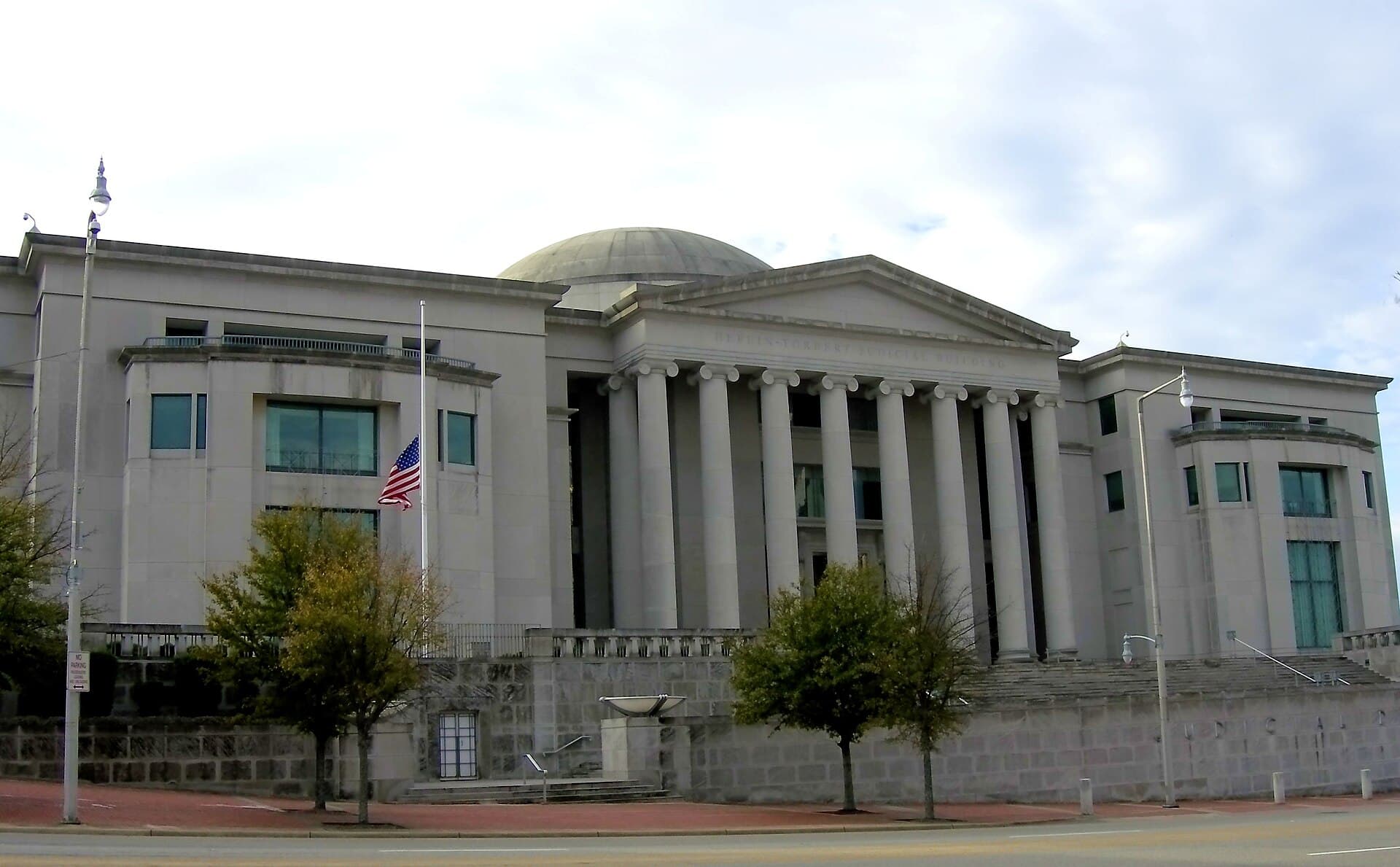
The Supreme Court allowed Alabama to move ahead with a congressional map that contains only one majority-Black district, a decision that could erase the state’s chance to send two Black representatives to Washington and restore a map Republicans say is more politically favorable. The ruling leaves Black voters in Alabama facing a familiar fight over whether their votes are being spread thin across districts where they cannot elect preferred candidates.
Alabama’s clash over the shape of its seven House seats has stretched back to the state’s 2021 post-census map, which left just one majority-Black district even though Black residents make up roughly 27% of the state’s population. In June 2023, the Supreme Court ruled in Allen v. Milligan that the map likely violated Section 2 of the Voting Rights Act, and a three-judge panel gave Alabama until July 21, 2023, to adopt a new one. The state responded with a 2023 map that again had only one majority-Black district, and a federal court blocked it.
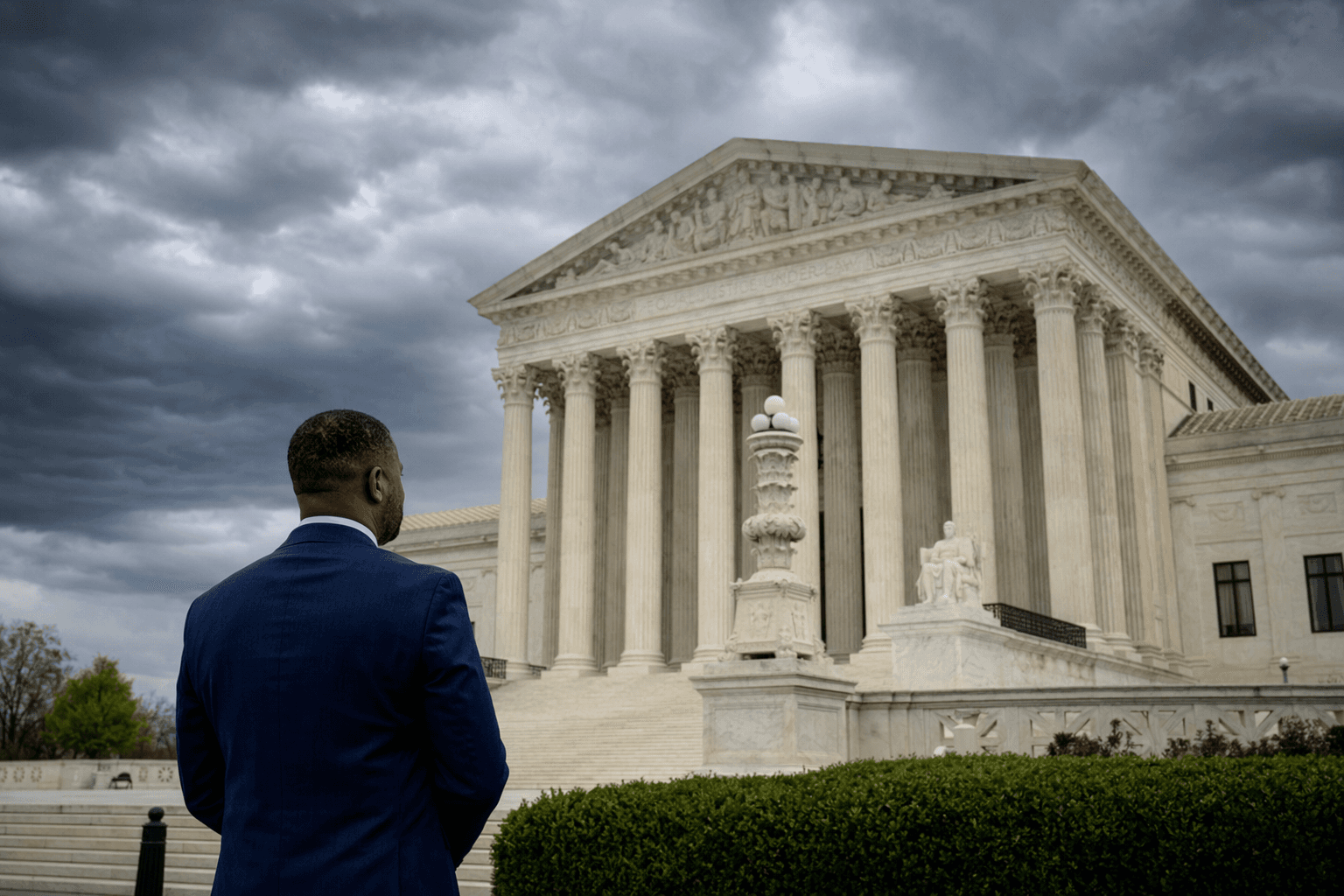
Court-appointed experts then drew a replacement map with a second majority-Black district. That map created a Black opportunity district in the 2nd District, where Black voters made up about 50% of the voting-age population, and helped Democrat Shomari Figures win the seat in 2024. It also kept Terri Sewell, Alabama’s other Black member of Congress, in the delegation and raised the prospect that Alabama could elect two Black representatives for the first time in its history.
Alabama’s Republican-led Legislature argued that the court-ordered map went too far and that its own 2023 plan had been drawn using neutral redistricting goals, including protecting incumbents. State officials pushed the Supreme Court to let them use that map before the 2026 elections and before the state’s May 19 primary, saying a forced rerun under the court-drawn map would be unwarranted. The court’s decision set aside lower-court rulings that had blocked the Republican map, sending the dispute back for further proceedings.
The outcome matters well beyond Alabama. The fight now sits at the intersection of Black political representation and partisan map drawing, with control of the 2nd District and the state’s broader congressional balance hanging in the middle. It also reflects the Supreme Court’s shifting posture in Voting Rights Act disputes, especially after its April 29, 2026 ruling in Louisiana v. Callais, which Alabama used to press its case. For Black voters in Alabama, the question is no longer only which map is legal, but whether the state will preserve a real chance to convert their share of the population into actual political power.
This article was produced by Prism’s automated news system from verified source data, official records, and press releases, then run through automated quality and moderation checks before publishing. The system is built and supervised by the people who set the standards it runs under. Read our full AI policy.
Did this article answer your question?

