Starmer faces resign calls over Mandelson vetting failure and appointment row
Starmer said it was “staggering” he was not told Mandelson failed vetting, as the Foreign Office overruled advice and raised new questions over who knew and when.
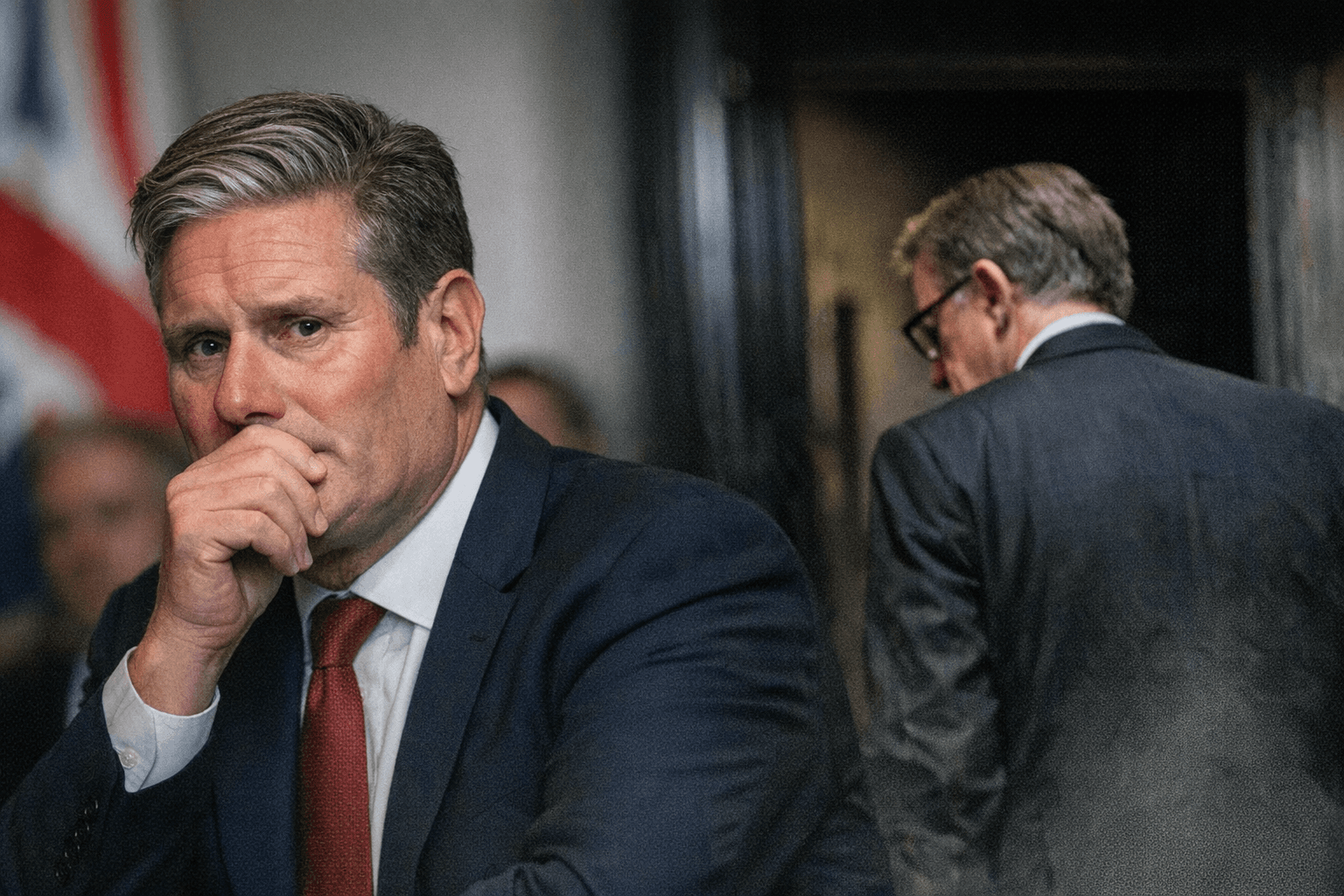
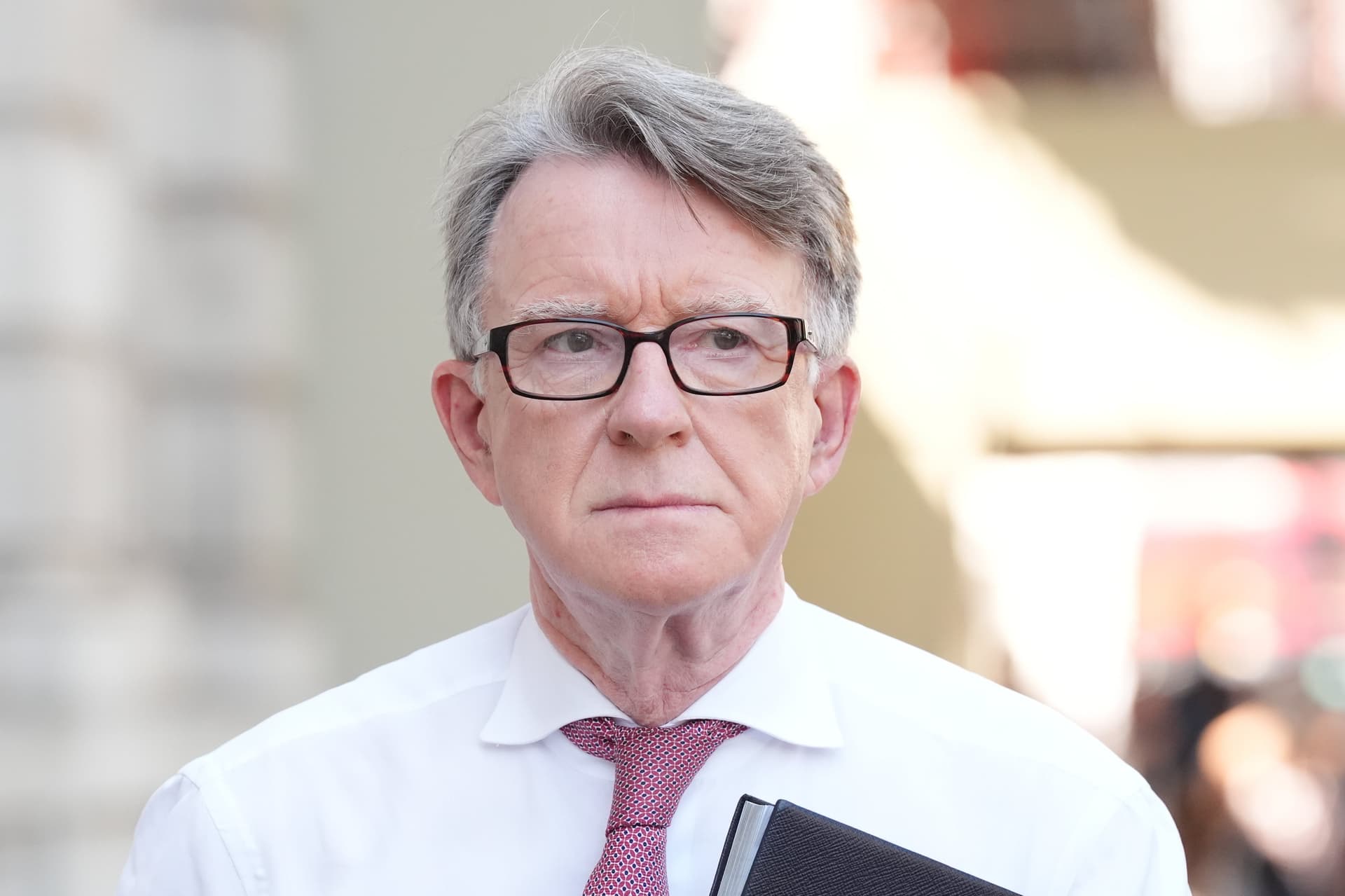
The central question was no longer whether Peter Mandelson’s appointment was politically damaging, but who inside government knew he had failed security vetting, when they knew it, and why that warning did not reach the prime minister. Keir Starmer said it was “staggering” and “unforgivable” that he had not been told Lord Mandelson had failed the checks, after the government said neither the prime minister nor any minister knew that UK Security Vetting had recommended against the appointment until earlier this week.
Mandelson was initially denied clearance in late January 2025 after a developed vetting process, according to multiple reports, but the Foreign Office overruled that recommendation and allowed the appointment to proceed. Starmer had announced the choice in December 2024, saying he was “delighted to appoint” Mandelson as Britain’s next ambassador to the United States and praising his experience. Mandelson then took up the Washington post in February 2025.
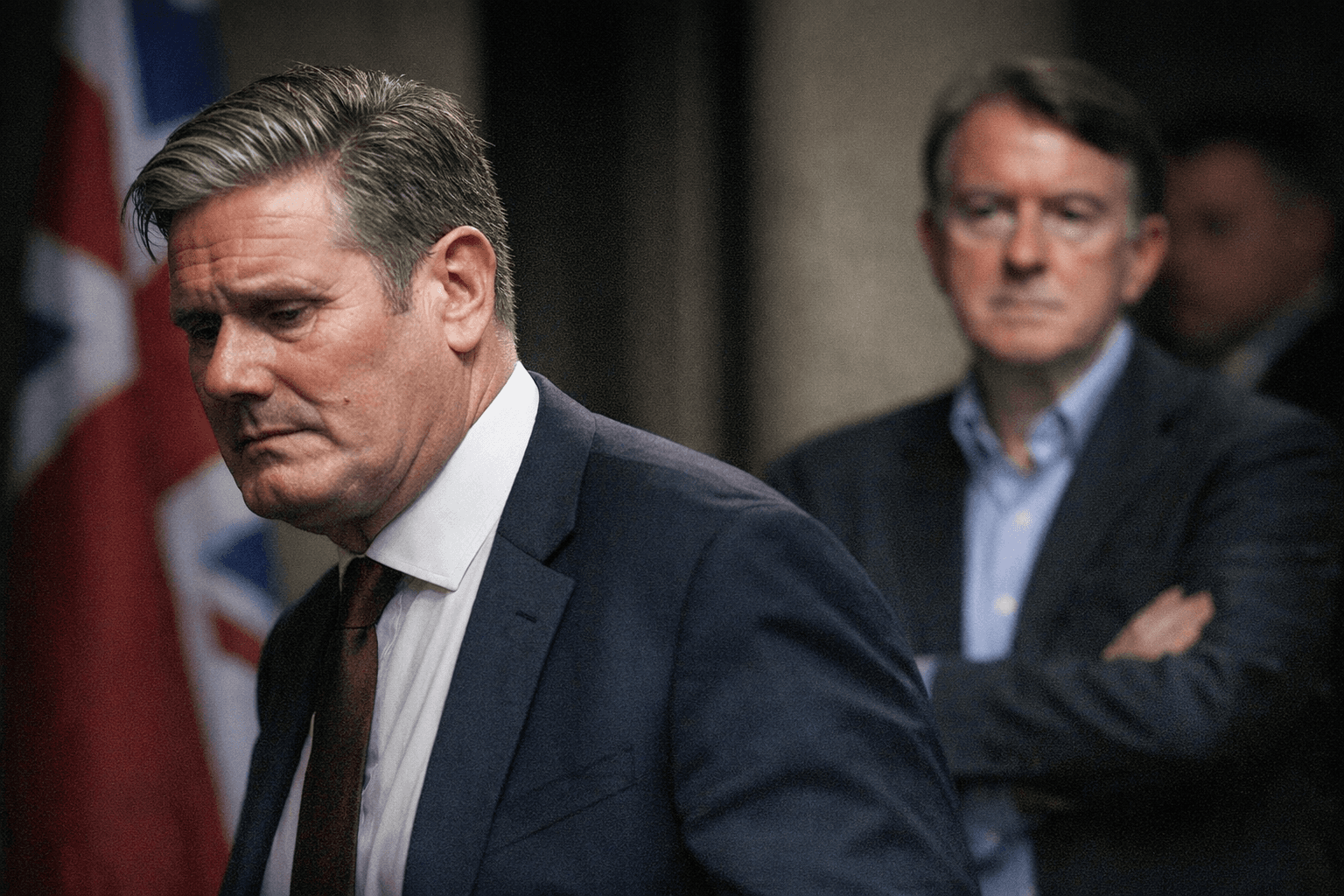
The disclosure has exposed a deeper failure in the chain of accountability at the top of national security decision-making. Downing Street has blamed Foreign Office officials for the decision, but the unanswered issue remains whether the rejection from UK Security Vetting was buried, ignored or simply never escalated to ministers. That question has now become more politically explosive because it cuts directly across Starmer’s own claim that he was left in the dark.
The row intensified further after Mandelson was sacked in September 2025, following fresh revelations about his ties to Jeffrey Epstein. Opposition politicians used the latest disclosures to renew calls for Starmer to resign and to accuse him of misleading the House of Commons. The pressure has placed not only the prime minister but also the machinery around the appointment under scrutiny, with critics arguing that a process that should have protected the integrity of the ambassadorial post instead enabled a high-risk nomination to go ahead.
The fallout reached the Foreign Office itself, where Reuters reported that its top civil servant, Sir Olly Robbins, was set to leave his post after Starmer and Foreign Minister Yvette Cooper lost confidence in him. That departure added to the sense that the scandal was not just about one appointment, but about a breakdown in how sensitive security judgments were handled, reviewed and transmitted at the heart of government.
Know something we missed? Have a correction or additional information?
Submit a Tip