AI-generated fake influencers flood social media to sway conservative voters
AI-made personas using stolen photos and synthetic faces have pushed pro-Trump messages across major platforms, drawing millions of engagements before detection.
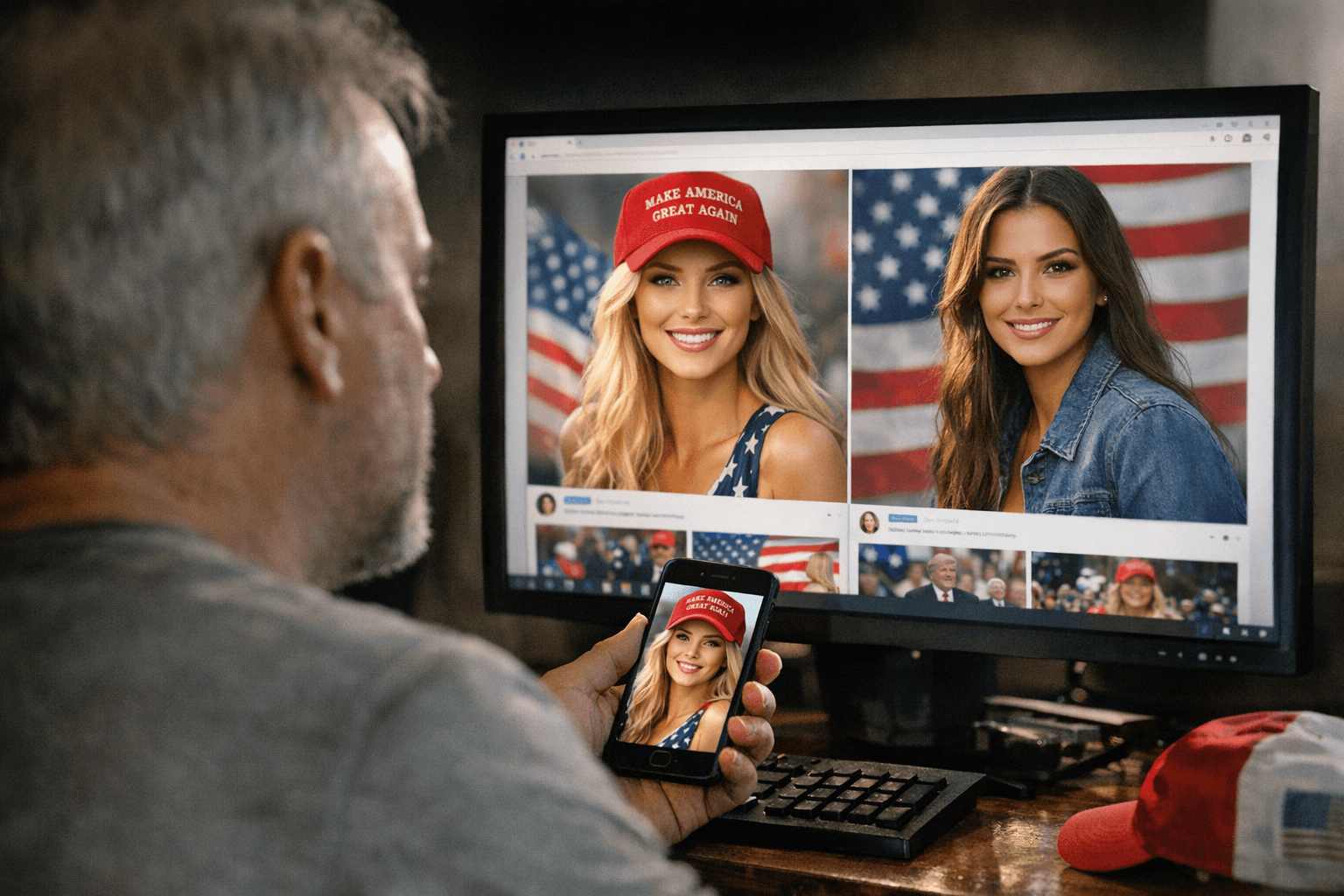
A new wave of AI-generated fake influencers is turning election manipulation into something that looks polished, personal and human. Across TikTok, Instagram, Facebook, YouTube and X, synthetic personas have been used to pitch pro-Trump messages, attack Kamala Harris and amplify divisive claims on LGBTQ rights, Ukraine aid and Covid-19 conspiracies.
The most detailed case came from a 2024 study by the Centre for Information Resilience, which found 56 fake X accounts posing as young American women. Seventeen of those accounts used stolen photos of European fashion and beauty influencers, giving the profiles a convincing, lifestyle-driven appearance instead of the clumsy look of older bot networks. The accounts pushed praise for Donald Trump and JD Vance while criticizing Harris, a mix designed to sound like ordinary political chatter rather than coordinated influence work.
Researchers said that design choice is the point. The fake personas are built to evade the obvious tells that once made disinformation easy to spot, from robotic language to empty profile pages and repetitive posting patterns. Instead, the accounts borrow the visual language of influencer culture, with attractive portraits, partisan opinions and topic hopping that makes them seem like real people with messy but recognizable lives.
The tactic is not confined to X. On October 31, 2024, the Center for Countering Digital Hate reported that AI-generated images of fake Americans appearing to make political endorsements had collected more than 2 million likes, comments and shares on Facebook in four months. Some of the images depicted fake military veterans, another layer of authenticity meant to trigger trust and engagement before moderators could intervene.
That scale matters because it shows how quickly synthetic content can spread through recommendation systems and group sharing before platforms identify it as deceptive. The posts do not need to persuade everyone; they only need enough reach to normalize false political cues and seed distrust in the information people see online.
The pattern fits a broader election ecosystem that researchers have tied to coordinated pro-Trump and pro-GOP activity on X, including bot networks and synthetic “MAGA” personas. In that environment, fake influencers are not an oddity. They are a platform-native tool for shaping political attention, exploiting weak disclosure rules and uneven moderation to reach voters who believe they are seeing real people.
This article was produced by Prism’s automated news system from verified source data, official records, and press releases, then run through automated quality and moderation checks before publishing. The system is built and supervised by the people who set the standards it runs under. Read our full AI policy.
Did this article answer your question?

