Starmer grants Labour leadership contenders access talks with civil service
Starmer opened civil-service access talks for Labour contenders as Burnham emerged as the only declared successor, sharpening the stakes of an unusually fast handoff.
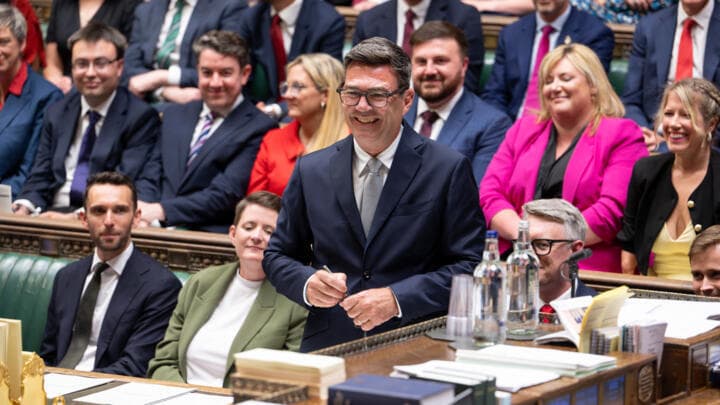
Keir Starmer met Andy Burnham for about an hour on Tuesday as Downing Street moved to give prospective Labour leadership candidates access talks with the civil service, a step meant to prepare a new leader for government even before any contest is settled.
The talks are expected to cover the formation of government, key policy priorities and security briefings. They are normally reserved for opposition leaders ahead of a general election, but this time they are being offered during Labour’s own transfer of power after Starmer said he was standing down as prime minister.
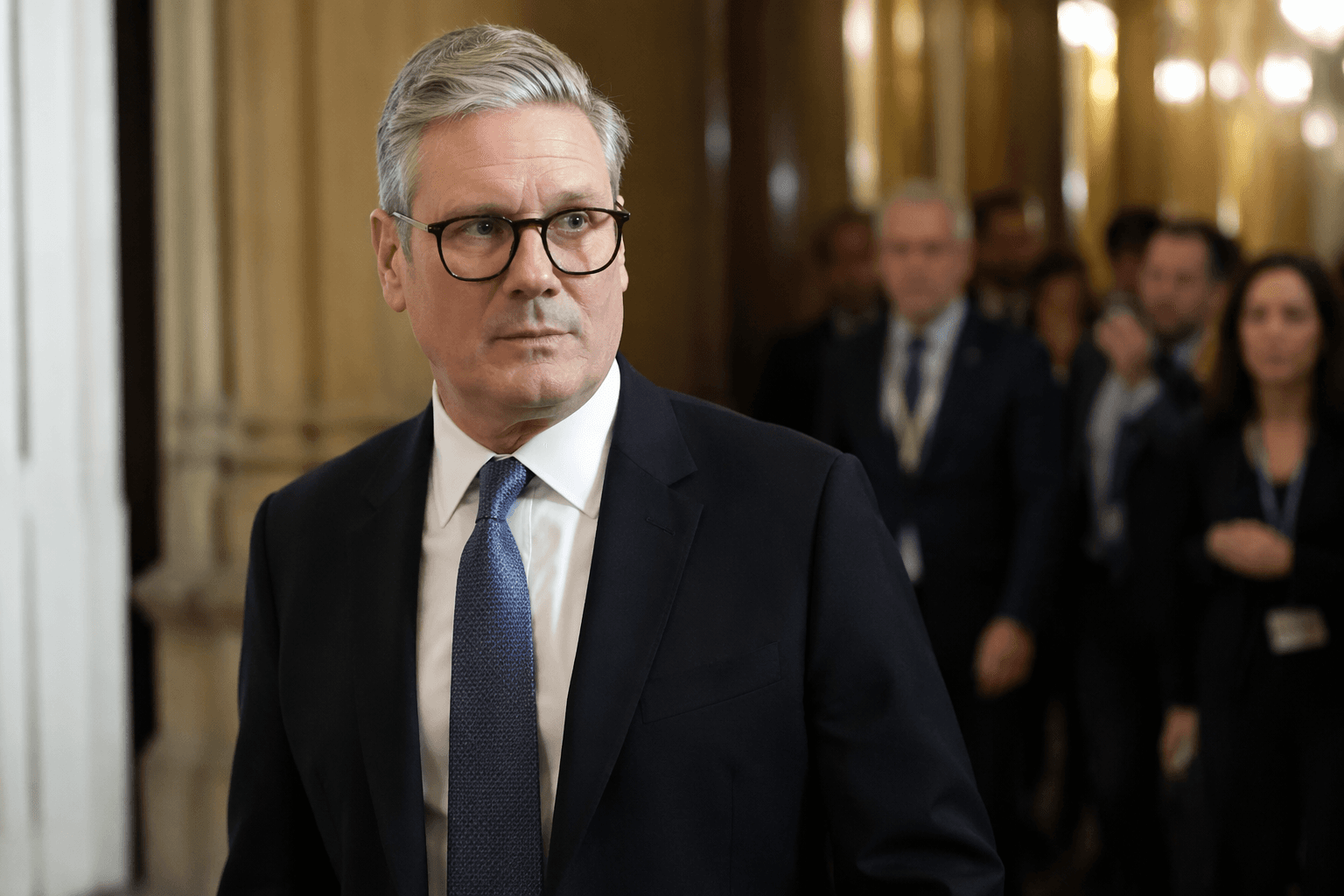
Downing Street said the briefings would begin as soon as possible and before formal nominations for any leadership contest close on July 16. If Burnham faces no challenger, he could become prime minister as early as July 17. If a contest is triggered, nominations are due to open on July 9 and a new leader could be in place by September.
The meeting was the first between Starmer and Burnham since Burnham won last week’s Makerfield by-election with 54.8% of the vote. Burnham is the only candidate to have emerged so far, and his victory has intensified speculation inside Labour that he may be the one figure able to carry the party into the next general election against Reform UK and Nigel Farage.
Starmer told his cabinet that he wanted whoever succeeded him to succeed and would seek to resolve difficult issues in the coming weeks to make the handover as smooth as possible. He has also agreed to suspend major policy and spending decisions until a new prime minister is in place, limiting the scope for a departing administration to lock in choices before the next leader arrives.
The politics behind the transition remain unsettled. Roughly a quarter of Starmer’s lawmakers had urged him to resign after Labour’s heavy local-election losses in May, and some MPs feared a bitter leadership fight could fracture the party just as it tries to present a united front. A coronation-style handover is now being discussed rather than a months-long contest, but the speed of Burnham’s rise has also underlined the bargaining underway over policy, fiscal rules and the mechanics of governing.
Burnham has already committed himself to Rachel Reeves’ fiscal rules and Labour’s manifesto pledge not to raise the main rates of income tax, VAT or National Insurance. He has also signalled priorities that include more public control over utilities such as water, more council housebuilding and a push to reindustrialise the economy, setting up the central question of the succession: whether an orderly transition will also be a tightly managed one.
This article was produced by Prism’s automated news system from verified source data, official records, and press releases, then run through automated quality and moderation checks before publishing. The system is built and supervised by the people who set the standards it runs under. Read our full AI policy.
Know something we missed? Have a correction or additional information?
Submit a Tip