Congress backs measure to remove U.S. forces from Iran hostilities
The Senate sent a 50-48 rebuke of Iran hostilities, but the measure carries no force of law. It was the first war-powers resolution on Iran to clear both chambers.

The Senate backed a House-passed war-powers resolution on Iran by 50-48, sending Congress’s first measure on the conflict through both chambers and putting a public marker down against President Donald Trump’s handling of the fighting. The vote, taken on June 23, came after the House approved the same resolution 215-208 on June 3.
The measure is a concurrent resolution, so it will not be sent to Trump and cannot become law. It does not force an immediate change in U.S. policy, but it does show Congress testing the boundary of presidential war authority in real time and using the vote to signal that lawmakers want a larger say over military action, diplomacy and the terms of any exit from the conflict.
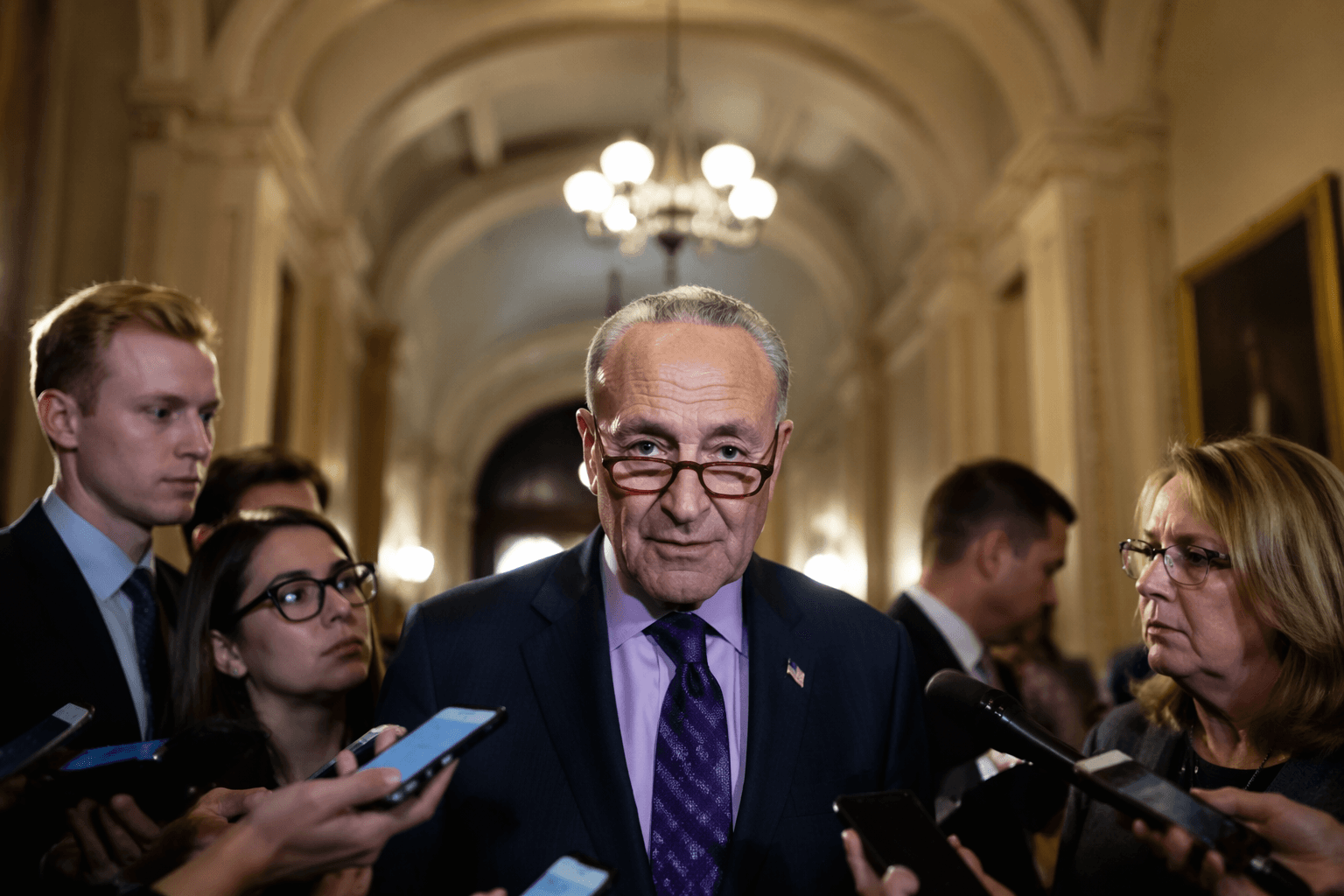
Bipartisan support gave the rebuke added weight even without legal force. In the House, four Republicans crossed over to join Democrats: Warren Davidson of Ohio, Brian Fitzpatrick of Pennsylvania, Tom Barrett of Michigan and Thomas Massie of Kentucky. In the Senate, Republicans Bill Cassidy of Louisiana, Susan Collins of Maine, Rand Paul of Kentucky and Lisa Murkowski of Alaska supported the resolution, while John Fetterman of Pennsylvania sided with most Republicans in opposition. Mitch McConnell and Dave McCormick were absent.
The Senate vote was the 10th on an Iran war-powers measure since the start of the year, underscoring how often Congress has been pressed to confront the issue as the conflict entered its third month. Lawmakers from both parties also used the debate to demand more information about a Trump administration memorandum of understanding with Iran, including sanctions relief, nuclear restrictions and a proposed reconstruction fund.
Gregory Meeks, the House Foreign Affairs ranking member and sponsor of the House resolution, said the war had failed to achieve its stated goals and pushed a diplomatic resolution of Iran’s nuclear program farther away. House Democrats also described the measure as a significant bipartisan rebuke of Trump’s “illegal and costly war in Iran,” arguing that the conflict had damaged diplomacy.
Trump responded by attacking Republican defectors as “GRANDSTANDERS” and “unpatriotic,” while party leaders argued the military campaign did not require congressional authorization and warned that limiting presidential authority could benefit Iran. Supporters of the resolution said they would keep pressing the administration to follow Congress’s direction and to explain the broader strategy for ending the conflict.
This article was produced by Prism’s automated news system from verified source data, official records, and press releases, then run through automated quality and moderation checks before publishing. The system is built and supervised by the people who set the standards it runs under. Read our full AI policy.
Know something we missed? Have a correction or additional information?
Submit a Tip