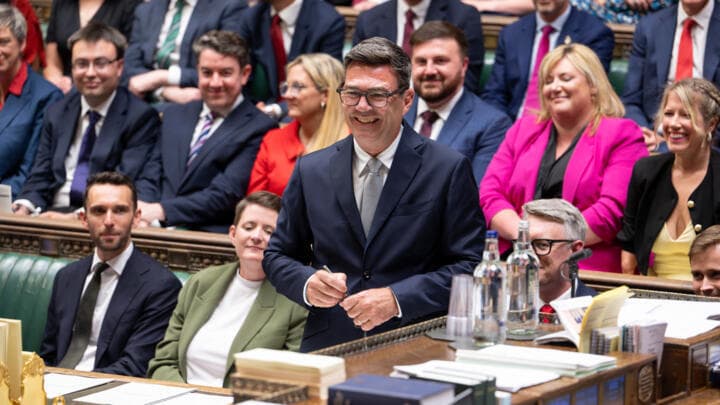
Senate passes Iran war powers rebuke of Trump in bipartisan vote
Senate Democrats and four Republicans sent Trump a bipartisan rebuke on Iran, as Congress cleared a war powers resolution for the first time in both chambers.
The Senate approved a House-passed resolution reining in President Donald Trump on Iran by a 50-48 vote, clearing the measure through both chambers for the first time. The concurrent war powers resolution directs Trump to remove U.S. armed forces from hostilities with Iran unless Congress declares war or specifically authorizes force, creating a public record of resistance even though it does not have the force of law.
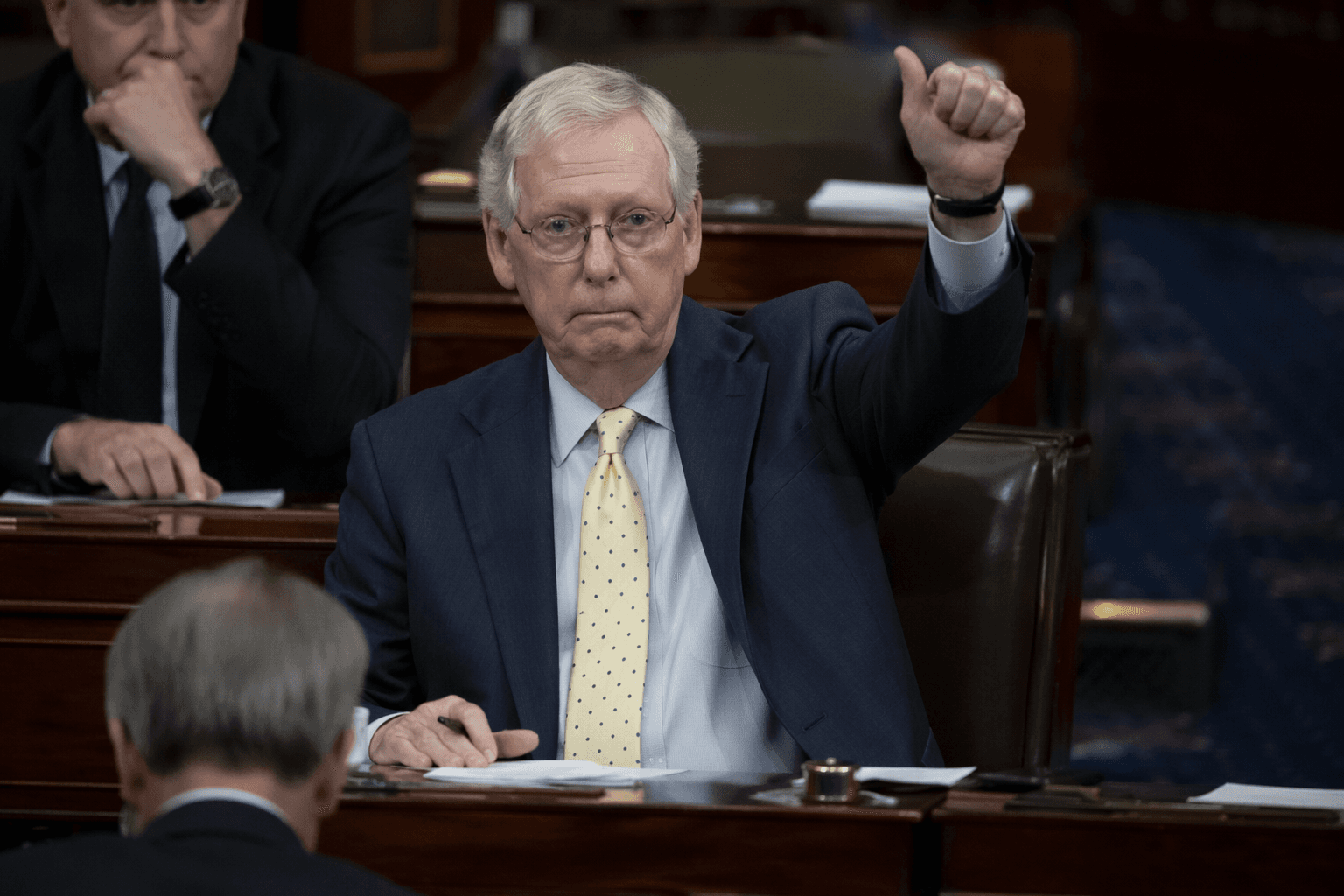
Four Republicans, Bill Cassidy of Louisiana, Susan Collins of Maine, Lisa Murkowski of Alaska and Rand Paul of Kentucky, joined nearly all Democrats in support. John Fetterman of Pennsylvania was the only Democrat to vote no, while Mitch McConnell and Dave McCormick were absent. The vote was the 10th Senate attempt to stop the war since hostilities began on February 28, 2026.
The House had already passed the same resolution on June 3 by a 215-208 vote, with Republicans Brian Fitzpatrick of Pennsylvania, Thomas Massie of Kentucky, Tom Barrett of Michigan and Warren Davidson of Ohio crossing party lines. Because the resolution is concurrent, it did not require Trump’s signature and cannot by itself end the conflict, but it formally places Congress on record against the president’s handling of the Iran war.
House Speaker Mike Johnson and other Republican leaders argued the measure would weaken Trump’s negotiating position as his administration sought a deal with Tehran. Trump dismissed the House vote as meaningless and attacked Republicans who backed it as grandstanders. Supporters of the resolution said Congress was reclaiming its constitutional role over military force, a dispute that has shadowed war powers debates since the 1973 law was enacted over President Richard Nixon’s veto.
Lawmakers are now pressing the White House for more details about any deal or memorandum of understanding with Iran, including whether sanctions relief is part of the agreement, what nuclear restrictions it would impose and whether Congress will get a role in the final terms. The fight has intensified as public opposition to the war has grown, gasoline prices have risen after Iran’s closure of the Strait of Hormuz, and the administration has sought new funding to continue military operations.
This article was produced by Prism’s automated news system from verified source data, official records, and press releases, then run through automated quality and moderation checks before publishing. The system is built and supervised by the people who set the standards it runs under. Read our full AI policy.
Know something we missed? Have a correction or additional information?
Submit a Tip