Starmer Pivots to Europe as Trump Tensions Deepen Over Iran War
The IMF warned Britain faces 'one of the largest economic shocks of any country' from Iran as Starmer pivots to EU talks and diesel prices hit 181p per litre.
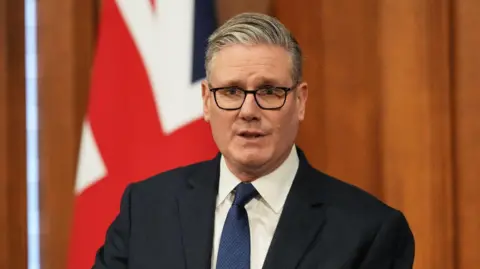
Sir Keir Starmer called for a deepened partnership with European allies on Wednesday, warning that the Iran war's consequences would "last for a generation" as the IMF declared Britain "especially exposed" to one of the largest economic shocks facing any country in the conflict.
The announcement came amid sharply deteriorating relations with Washington. Trump, who called Starmer "No Winston Churchill," mocked Britain's Royal Navy aircraft carriers as "toys," and said he "ruins relationships," has repeatedly attacked the Prime Minister in recent weeks after Starmer initially blocked US requests to use the Diego Garcia military base for offensive strikes when Operation Epic Fury launched on 28 February.
At a Downing Street press conference, Starmer announced Britain would hold a summit with EU leaders in the "coming weeks," ahead of a further high-level summit planned for summer 2026, building on the more modest reset agreed with Brussels in 2025. Areas under active discussion include closer alignment on agriculture, electricity markets, and emissions trading, all aimed at stabilising the UK's increasingly fragile energy security. Starmer firmly ruled out rejoining the EU single market or customs union, stating Labour's manifesto commitments on Brexit remained intact, and argued that stronger European ties would complement rather than undermine Britain's relationship with the United States.
The economic numbers explain the urgency. UK wholesale natural gas prices climbed roughly 75% between late February and 23 March. Petrol rose 14p per litre while diesel surged 29p, pushing the average price at UK forecourts to 181.2p per litre. Brent crude, which stood at around $60 per barrel before the conflict began, briefly topped $116 before easing to approximately $100 by Wednesday. The Bank of England's Monetary Policy Committee voted unanimously to hold its benchmark rate but warned that previously anticipated cuts were now off the table, with hikes now a live possibility. Former Bank of England deputy governor Howard Davies warned the UK could be heading toward an energy crisis comparable to the 1970s oil shock, when prices quadrupled following the 1973 Arab-Israeli war.
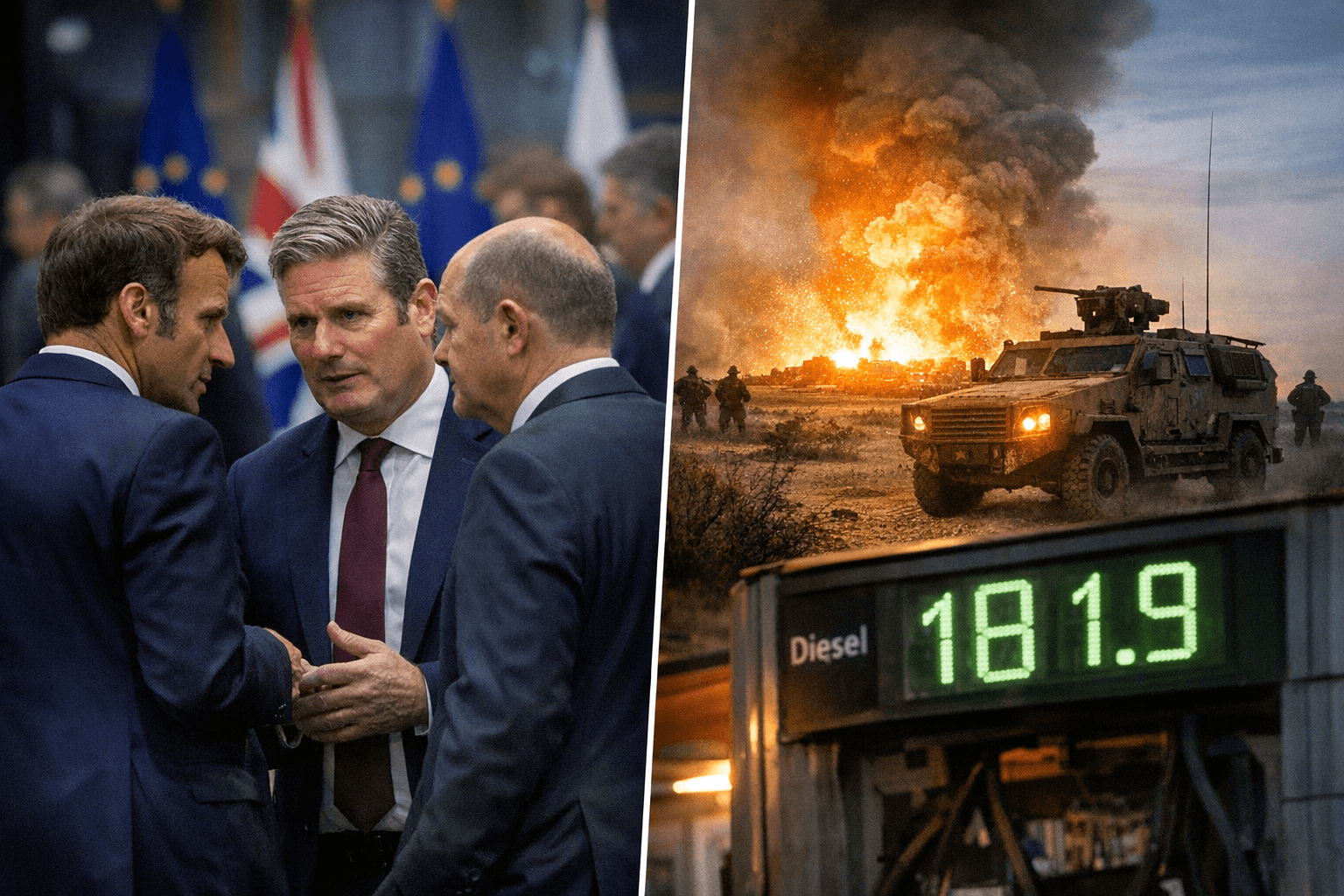
At the heart of the supply crunch sits the Strait of Hormuz. The narrow shipping lane, which normally carries approximately one fifth of global oil supply, has been effectively closed since the conflict escalated. The International Energy Agency estimated in mid-March that around 20 million barrels of oil per day had been affected, with production cut by at least 10 million barrels per day across Gulf countries, roughly 10% of global output. Starmer announced Britain would host meetings with allies this week aimed at reopening the Strait, with 35 countries now participating. A joint statement condemning Iran's actions was signed on 19 March by the leaders of the UK, France, Germany, Italy, the Netherlands, Japan, Canada, South Korea, Australia, New Zealand and Norway, among others.
The opposition piled pressure on Starmer from both flanks. The Conservatives accused him of attempting to "reopen the old wounds of the Brexit years" with his European overtures, while both parties called for VAT to be removed from household energy bills and a planned September fuel duty hike to be cancelled. Reform UK focused its criticism on Starmer's failure to announce new measures to reduce energy costs. The Prime Minister made no new cost-of-living announcements at Wednesday's press conference, though the government has previously set out a support package for households relying on heating oil, which falls outside the energy price cap.
Having refused Trump's 15 March request to contribute militarily to securing the Strait, a decision shared by Germany, Spain, Italy, Estonia, Australia, South Korea and Japan, Starmer said he would not give in to "pressure" from Washington and would act in the British national interest "whatever the pressure on me." With Brent crude still roughly 67% above pre-conflict levels and the IMF's warning on record, the coming EU summits will test whether a European pivot can provide meaningful insulation from a war Britain has declined to join.
This article was produced by Prism’s automated news system from verified source data, official records, and press releases, then run through automated quality and moderation checks before publishing. The system is built and supervised by the people who set the standards it runs under. Read our full AI policy.
Did this article answer your question?


