Starmer resignation triggers race for UK chancellor amid market fears
Starmer’s exit has turned the chancellor’s job into an early test of market confidence, with tax, borrowing and spending choices now in play.

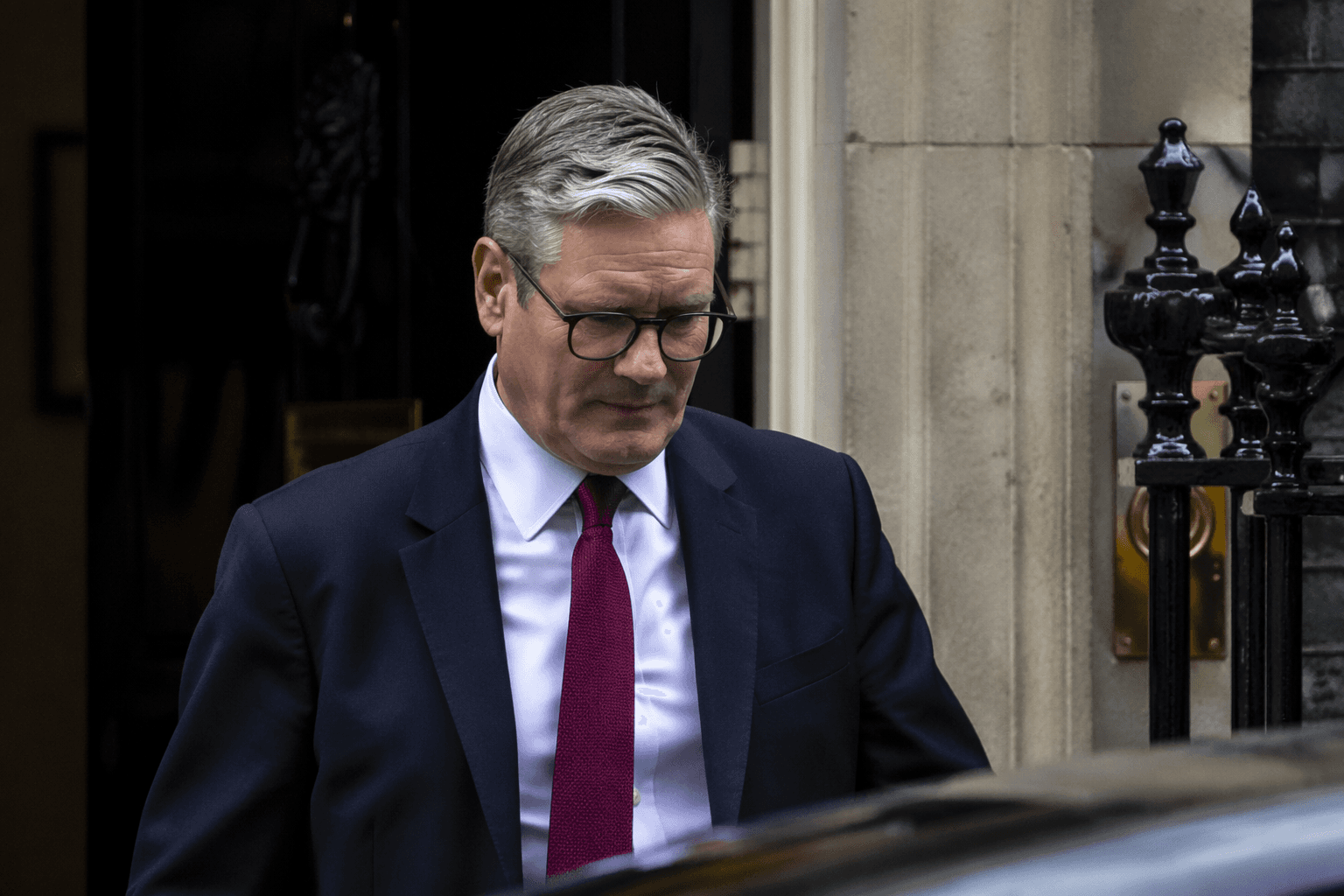
Keir Starmer’s resignation has opened a contest that reaches far beyond party management and into the heart of Britain’s finances. After saying on June 22, 2026 that he would stand down as Labour leader and prime minister, while remaining as caretaker until a successor is chosen, Starmer left Rachel Reeves’s future at Number 11 Downing Street suddenly uncertain.
Reeves has held the Treasury post since July 5, 2024, and is the first woman ever to serve as Chancellor of the Exchequer. The job she would leave behind, or keep, carries the central economic levers of government: raising revenue through taxation or borrowing, and controlling public spending. That makes the choice of her replacement one of the most important early decisions facing any new Labour leader, especially if Andy Burnham moves from likely contender to prime minister.
Westminster insiders expect Burnham to want his own chancellor. Ed Miliband is widely discussed as the leading candidate to take the post in a Burnham-led government, with reports describing him as a believer in an interventionist state and a trusted economic adviser. Other names in the mix include Shabana Mahmood, Yvette Cooper, Wes Streeting and Louise Haigh, underscoring how unsettled the succession has become inside Labour.
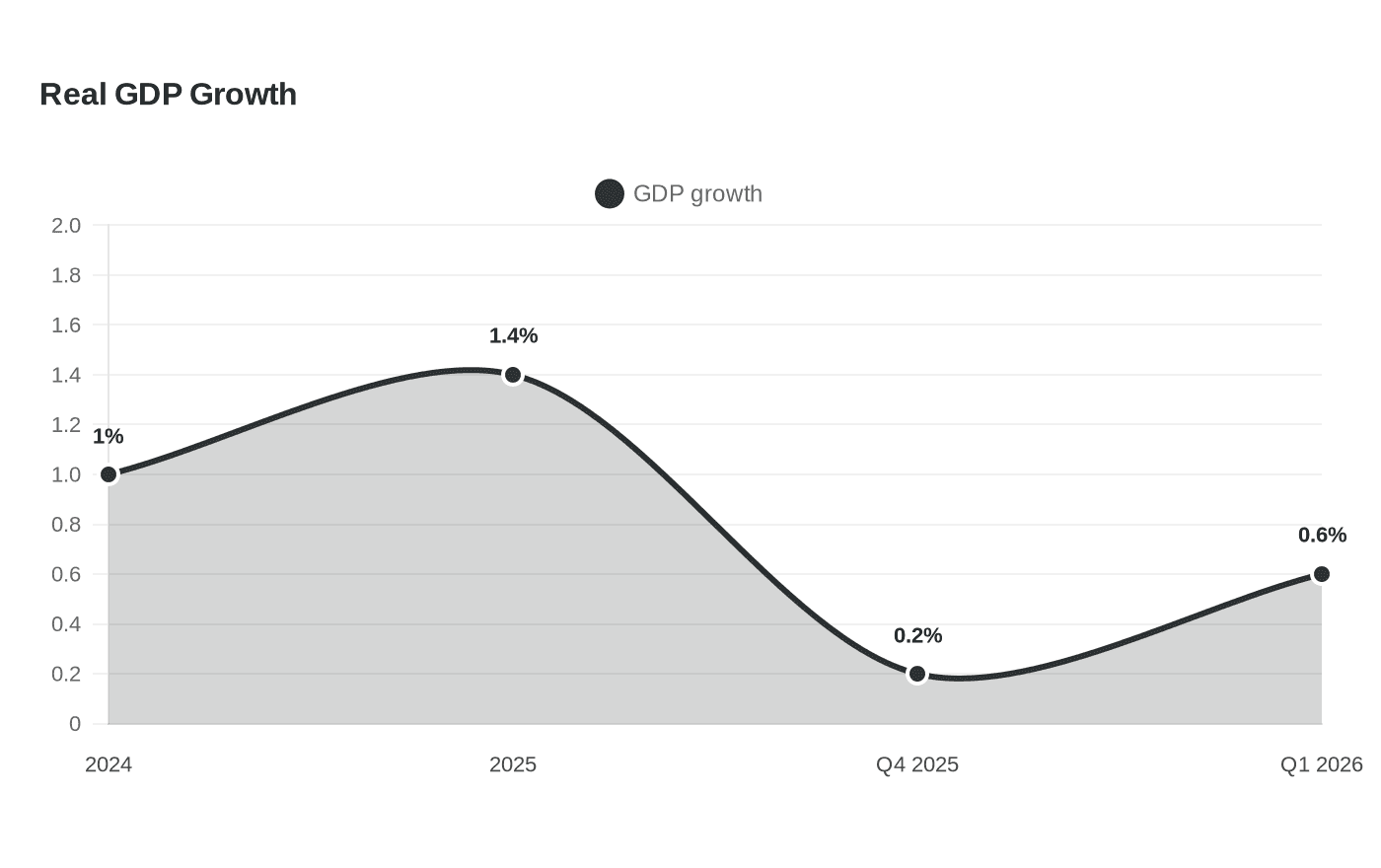
Markets are watching because the first 100 days could set the tone for household finances as much as for City confidence. Britain is already carrying heavy borrowing costs and a large debt-interest bill, and analysts say any incoming chancellor will be boxed in by fiscal rules and the need to avoid fresh bond-market anxiety. That means the next occupant of Number 11 will have to signal quickly whether Labour will protect the public finances, lean into higher spending, or try to redraw the balance between tax rises and borrowing.
The pressure is heightened by Labour’s recent local election losses and falling support, which have intensified the search for a figure who can steady both the party and the markets. Starmer has conceded he has lost the support of his party members in Parliament and is expected to leave as soon as Labour settles on a successor. For Reeves, the coming weeks now look less like a routine handover than the opening move in a test of economic credibility that could shape the cost of government borrowing, and the public’s household bill, almost immediately.
This article was produced by Prism’s automated news system from verified source data, official records, and press releases, then run through automated quality and moderation checks before publishing. The system is built and supervised by the people who set the standards it runs under. Read our full AI policy.
Know something we missed? Have a correction or additional information?
Submit a Tip