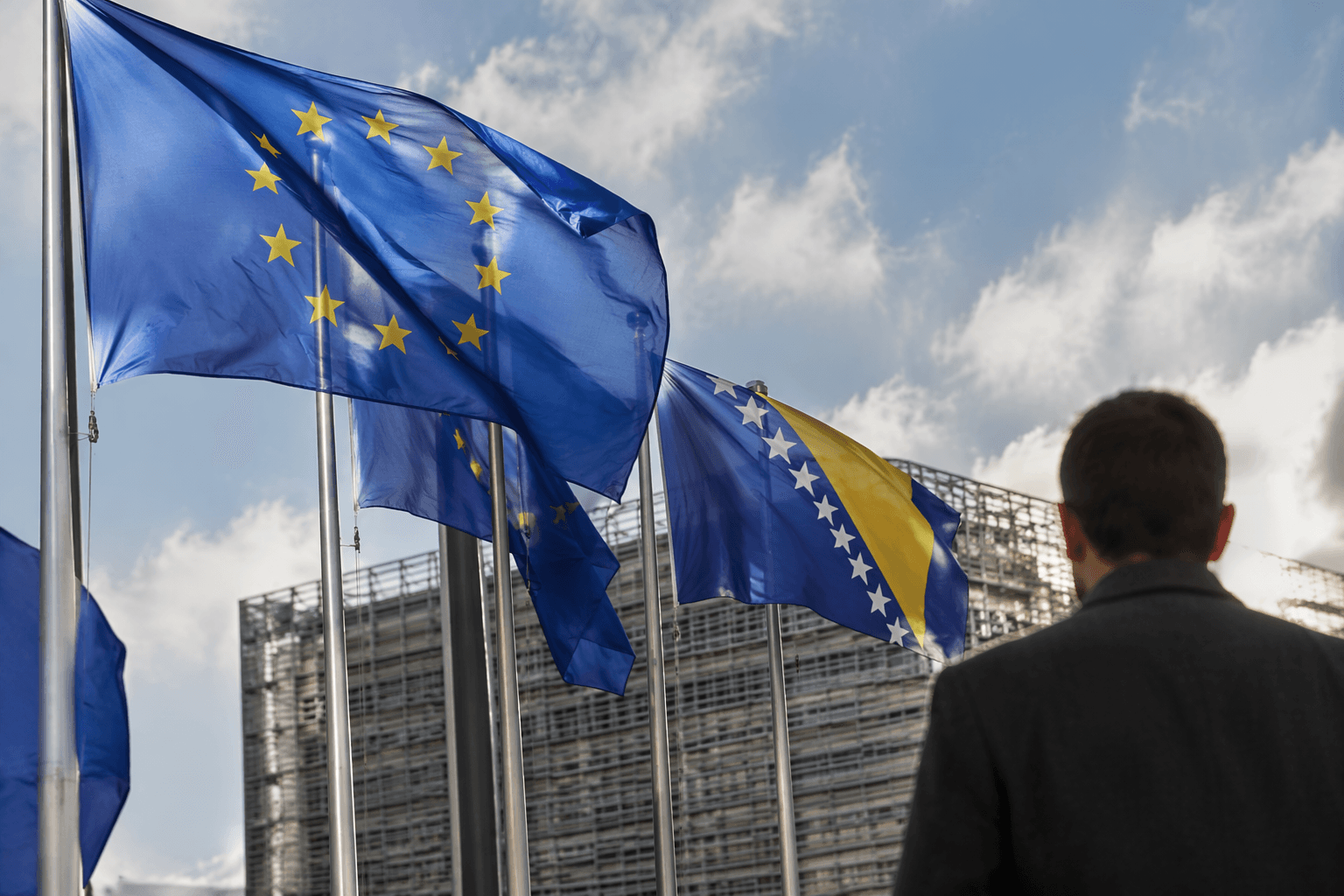
Starmer sets July 22 Brussels summit to reset EU ties
Keir Starmer has set a July 22 Brussels summit with the EU, as youth mobility, trade frictions and student fees test his reset.
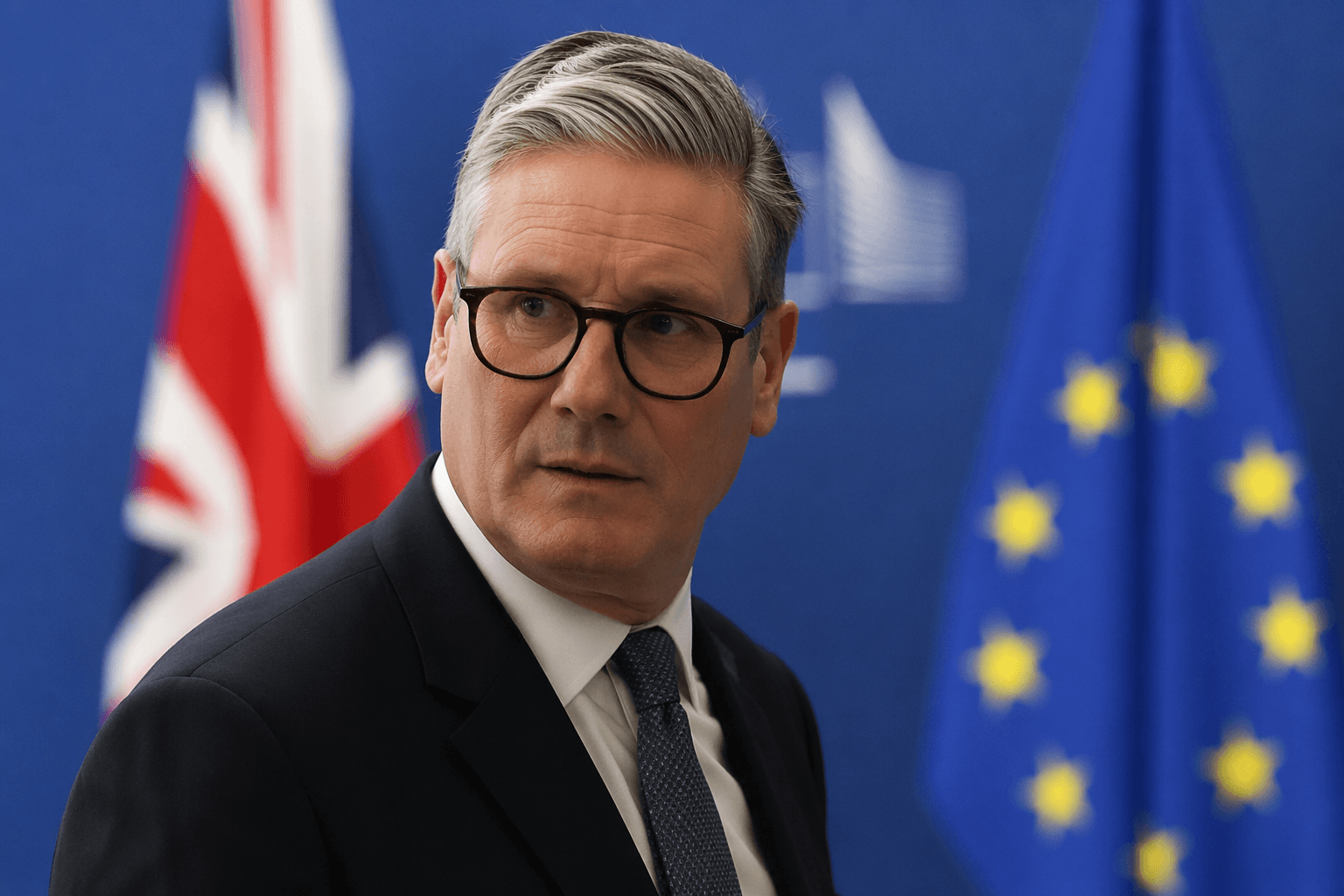
Keir Starmer has set July 22 for Britain’s second summit with the European Union in Brussels, a meeting meant to turn his reset with the bloc into practical gains on trade, security and the economy. He announced the date after meeting EU leaders on the sidelines of the G7 summit in Evian-les-Bains, France, where leaders were focused on international peace and security, global economic stability, growth and emerging technologies.
The timing gives the summit added weight. It comes about a decade after the 2016 Brexit referendum and after years of strained relations between London and Brussels over market access, migration and regulatory friction. The European Council has already listed the next EU-United Kingdom summit for July 22, 2026, in Brussels, fixing both the venue and the calendar.

What happens in the room will matter more than the choreography outside it. The most sensitive files are expected to include youth mobility, tuition fees for EU students in England, and trade barriers affecting food, drink and energy. Those are the issues most likely to show whether Starmer’s outreach produces measurable change or merely a new tone.
The youth mobility question has become a proxy for the wider post-Brexit debate over how far the two sides are willing to reopen practical cooperation. Policy discussions have centered on a youth experience scheme that could cover work, study, au-pairing and volunteering for young people from the UK and the EU. A European Parliament briefing says the 7th EU-UK Parliamentary Partnership Assembly met in Brussels on March 16-17, 2026, and discussed mobility issues and youth opportunities, underscoring how long the file has been in motion.
The difficulty is that both sides still want different things. A Reuters-linked report said talks stalled over a British cap reportedly in the 40,000 to 50,000 range, while the EU wanted a more open-ended arrangement with an emergency brake. UK policy analysis also shows a second trade-off in the background: Brussels wants stronger access for young people and university opportunities, while London wants tighter control over numbers and terms.
For Starmer, the summit is also a domestic test. Closer ties with Europe are part of his argument that the government can support growth, ease the cost of living and create jobs, but the Brussels meeting will be judged on whether it delivers concrete movement on travel, study, trade and regulation. After years of Brexit-era friction, the real measure of the reset will be whether July 22 produces rules, not just rhetoric.
This article was produced by Prism’s automated news system from verified source data, official records, and press releases, then run through automated quality and moderation checks before publishing. The system is built and supervised by the people who set the standards it runs under. Read our full AI policy.
Did this article answer your question?