Starmer vows reset, opens door to closer EU ties after Labour losses
Keir Starmer faced a Labour mutiny after losing more than 1,100 council seats, then hinted at closer EU ties and a possible single-market return.
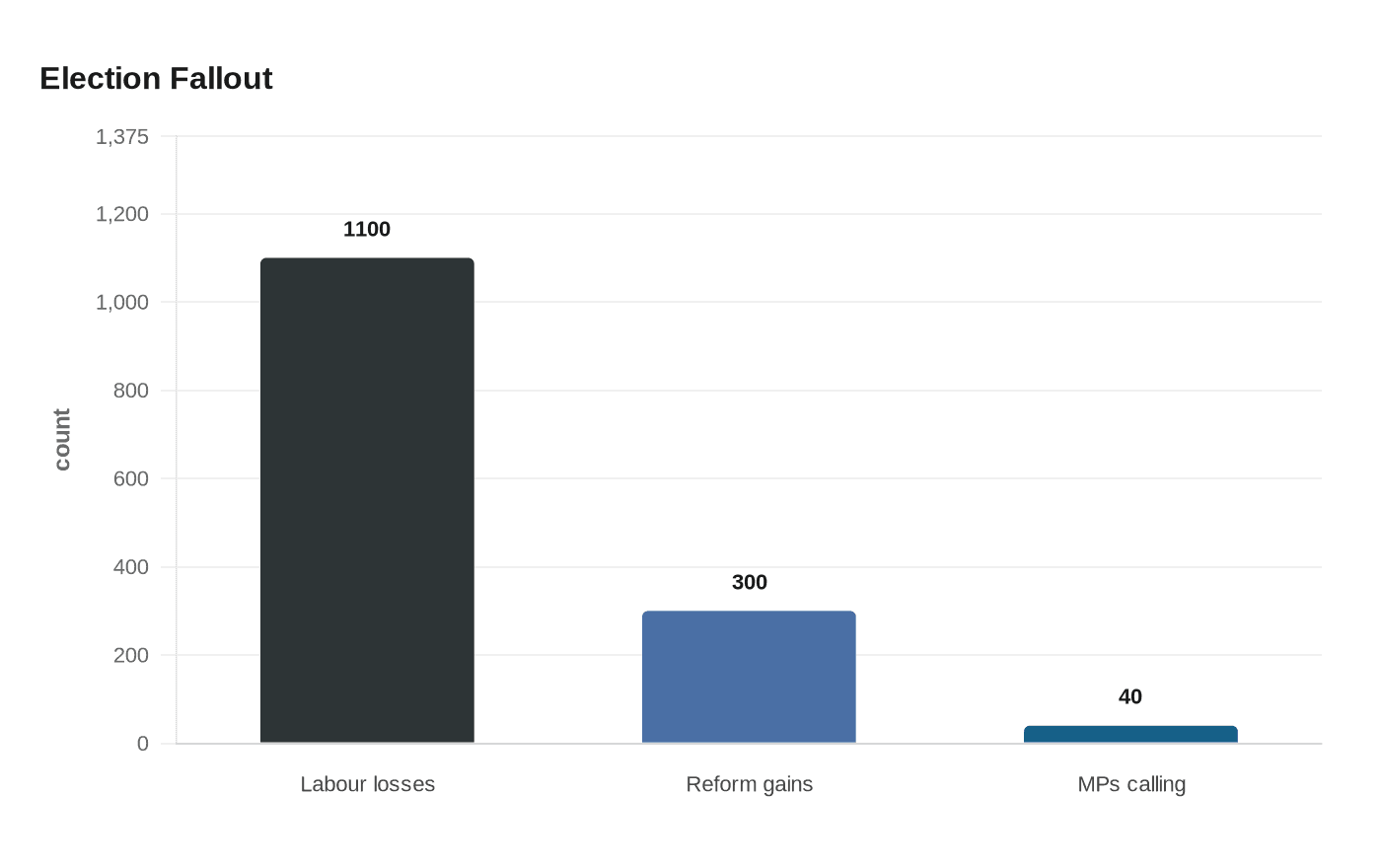
Keir Starmer used a speech on Monday to try to stop Labour’s post-election unraveling, but the scale of the damage left his authority badly exposed. After losing more than 1,100 local council seats across England, surrendering councils it had held for decades and being booted from power in Wales after 27 years, Labour entered a full-blown leadership test, with more than 40 MPs reportedly calling for Starmer’s resignation.
Starmer answered the pressure by presenting himself as the only barrier between Labour and chaos. He said he would not resign and would not “walk away and plunge the country into chaos,” a line aimed as much at his own MPs as at voters drifting toward Nigel Farage’s Reform UK. Reform was the clear winner from Labour’s losses, gaining more than 300 council seats in England and making key breakthroughs in Scotland and Wales, underlining how quickly the anti-establishment vote has become a national force.
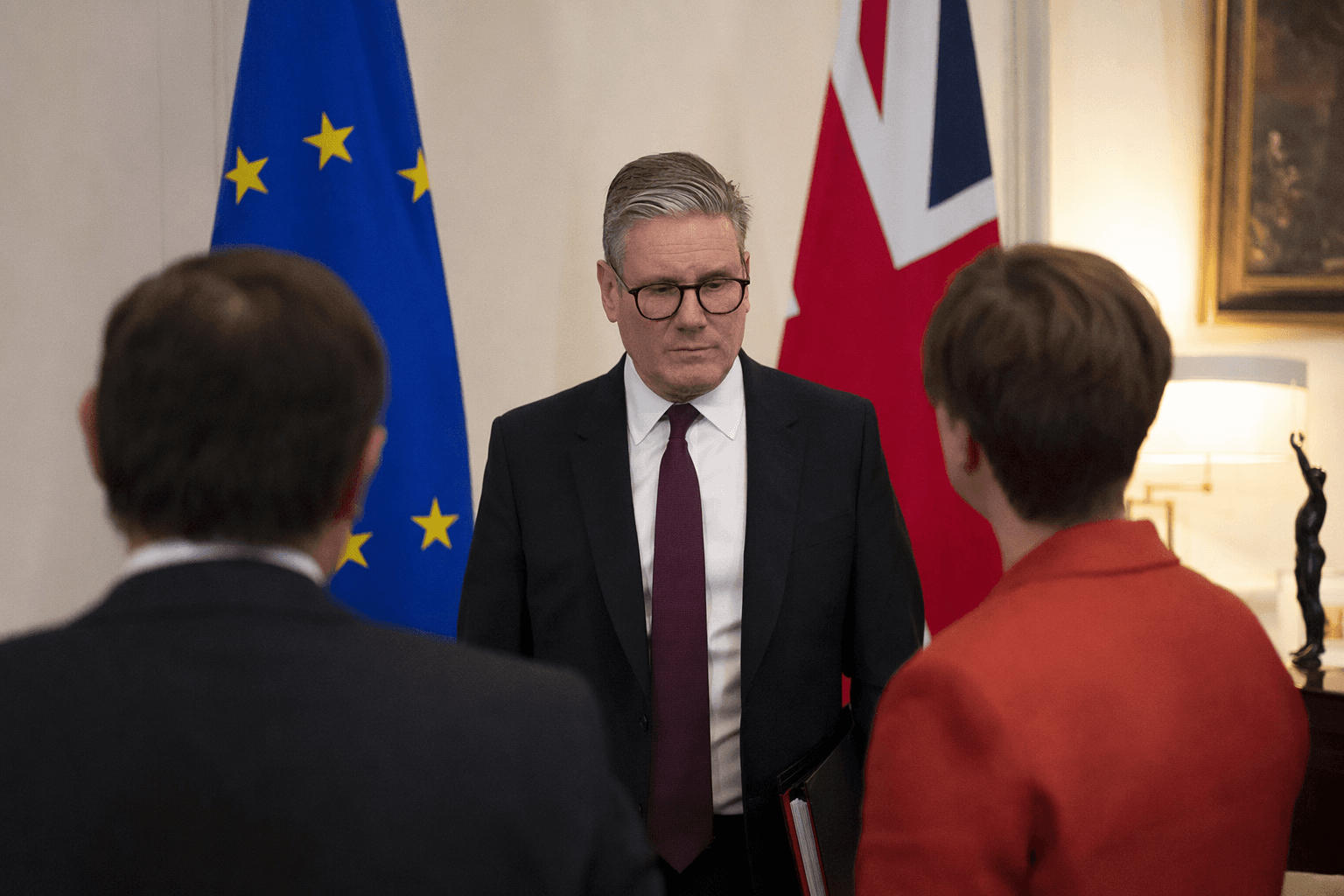
The prime minister framed the moment as a reset, not a retreat. He said Britain had to move urgently on growth, defense, Europe and energy, signaling that the government’s current pace was no longer enough. In the clearest shift of the speech, Starmer pledged to put Britain “at the heart of Europe” and opened the door to closer ties with the European Union, including the possibility of rejoining the EU single market after the next general election. He still ruled out rejoining the EU itself or returning to the customs union, drawing a line even as he widened the debate.
That balancing act may not be enough to quiet Labour’s internal rebellion. Senior figures, including London Mayor Sadiq Khan, have already warned that Starmer must change course, and the election results have sharpened talk of rivals and future leadership challenges. The local contests were widely treated as the most significant public test before the next general election in 2029, and the verdict was brutal enough to raise a harder question inside Labour: whether this was a temporary panic after a bad night, or the start of a deeper crisis over the party’s direction, its electoral coalition and Starmer’s ability to hold it together.
This article was produced by Prism’s automated news system from verified source data, official records, and press releases, then run through automated quality and moderation checks before publishing. The system is built and supervised by the people who set the standards it runs under. Read our full AI policy.
Did this article answer your question?

