Starmer vows to stay after Labour’s heavy local election losses
Starmer refused to quit after Labour’s local election collapse, as Reform UK took more than 1,000 council seats and MPs openly demanded new leadership.

Keir Starmer is betting that Labour can survive its worst midterm-style blow in years, even as dozens of his own lawmakers pressed him to leave after a bruising local election defeat that exposed how fragile his authority has become. Meeting cabinet members, Starmer said, "I am not going to walk away," a line that turned the immediate question from whether he would resign into whether he can still govern with a disciplined parliamentary party behind him.
The scale of the setback was stark. Labour’s 2024 landslide had delivered 411 seats and a 174-seat majority, but the 2026 local and regional contests brought heavy losses across England, Scotland and Wales. The elections covered 136 councils in England, and early results showed Labour haemorrhaging support in London, central England, northern England and Wales, while Reform UK emerged as the main beneficiary and won more than 1,000 council seats in England. In Wales, Labour also lost power for the first time, underscoring how quickly its coalition has begun to fray.
The damage matters well beyond party morale. These results were widely treated as the most significant public test before the next general election, due in 2029, and they suggested a deeper fragmentation of Britain’s traditional two-party system. Reform’s advance in places such as Hartlepool and other former Labour-working-class areas sharpened fears inside Labour that the party’s old red wall cannot be taken for granted, even after a general election victory only two years earlier.
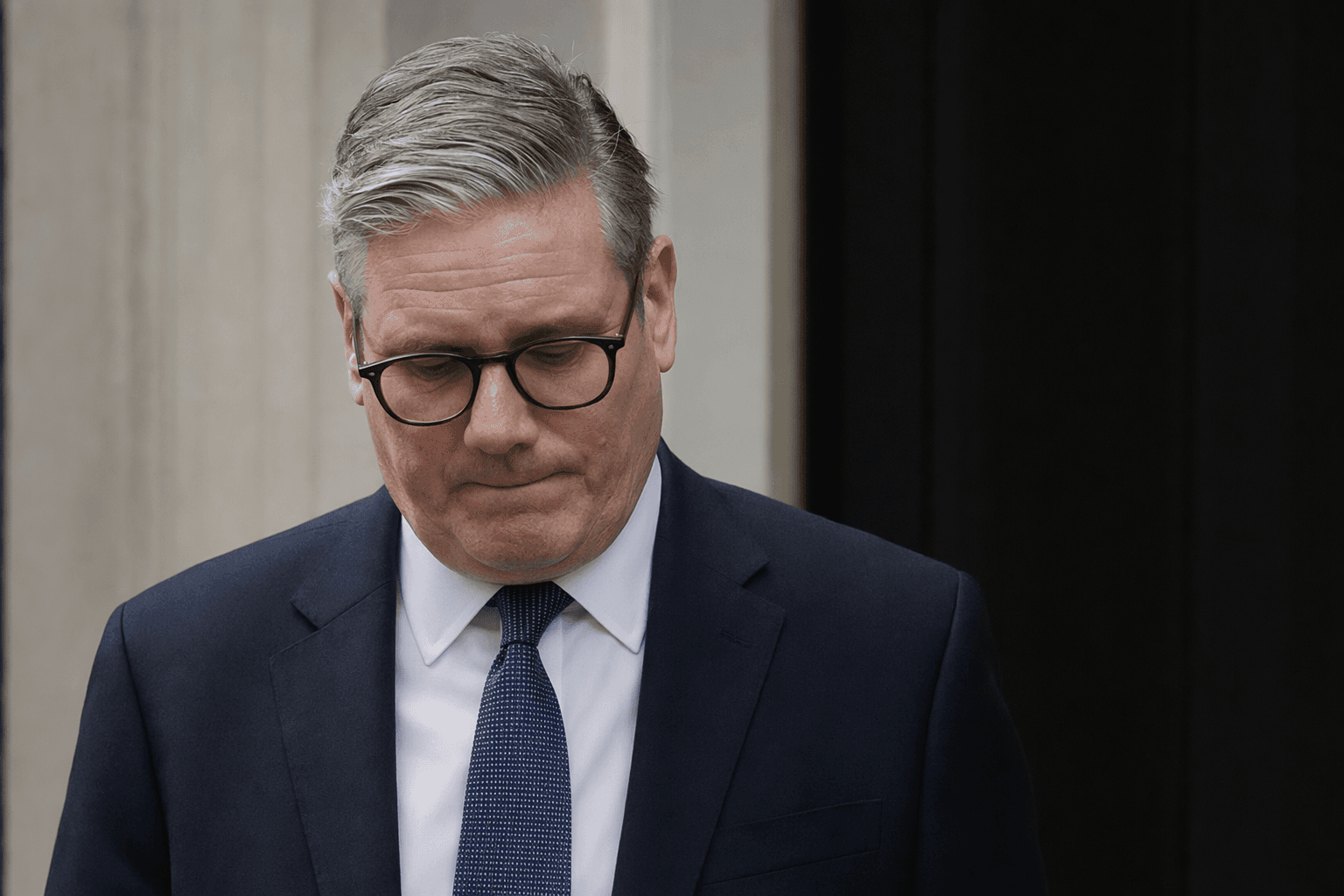
Pressure on Starmer now comes not just from opponents but from within Labour’s own ranks. Louise Haigh and Connor Naismith were among those calling for new leadership, and Haigh said Starmer "cannot lead us into another election." That kind of open revolt matters because a prime minister facing doubts over authority can struggle to impose message discipline, rally MPs behind difficult legislation, or keep backbench anger from metastasising into a leadership challenge.
Starmer tried to contain the fallout by taking full responsibility and admitting the government had made some "unnecessary mistakes." He promised to spell out steps to deliver the change voters wanted, with the administration still focused on growth, defense, Europe and energy. The question now is whether the losses amount to a survivable correction after a sweeping victory, or the first clear sign that Labour’s governing coalition is beginning to break apart.
Markets appeared to prefer the former interpretation. Sterling strengthened and UK government borrowing costs eased after Starmer signaled he would stay and press ahead, a brief reminder that political stability in Westminster still carries immediate economic weight.
Know something we missed? Have a correction or additional information?
Submit a Tip