Starmer weighs future as Labour turmoil deepens, Trump piles on
Starmer faced fresh leadership doubts as Trump attacked him online, with more than 70 Labour MPs already said to want him out.
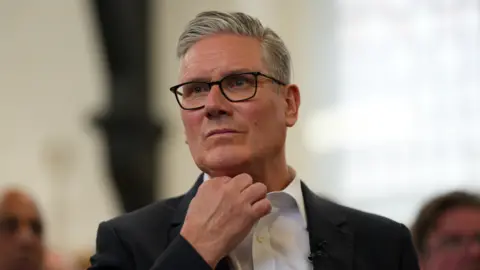
Keir Starmer’s grip on power came under fresh strain as Donald Trump attacked him on Truth Social and reports circulated that the prime minister could spell out a departure timetable as soon as Monday. The pressure has turned a Labour row into a transatlantic problem, with the stability of Britain’s government now feeding directly into Washington’s calculations.
Business Secretary Peter Kyle tried to calm the speculation, saying he had nothing to believe Starmer would resign and that the prime minister was reflecting on political realities. Starmer was spending the weekend at Chequers with his wife, Victoria Starmer, while Downing Street said he would fight on. But the numbers behind the unrest are stark: more than 70 of Labour’s 403 MPs were reported in May to have called on him to step down, and party rules require 81 Labour MPs, or 20% of the parliamentary party, to back a challenger before a leadership contest can begin.
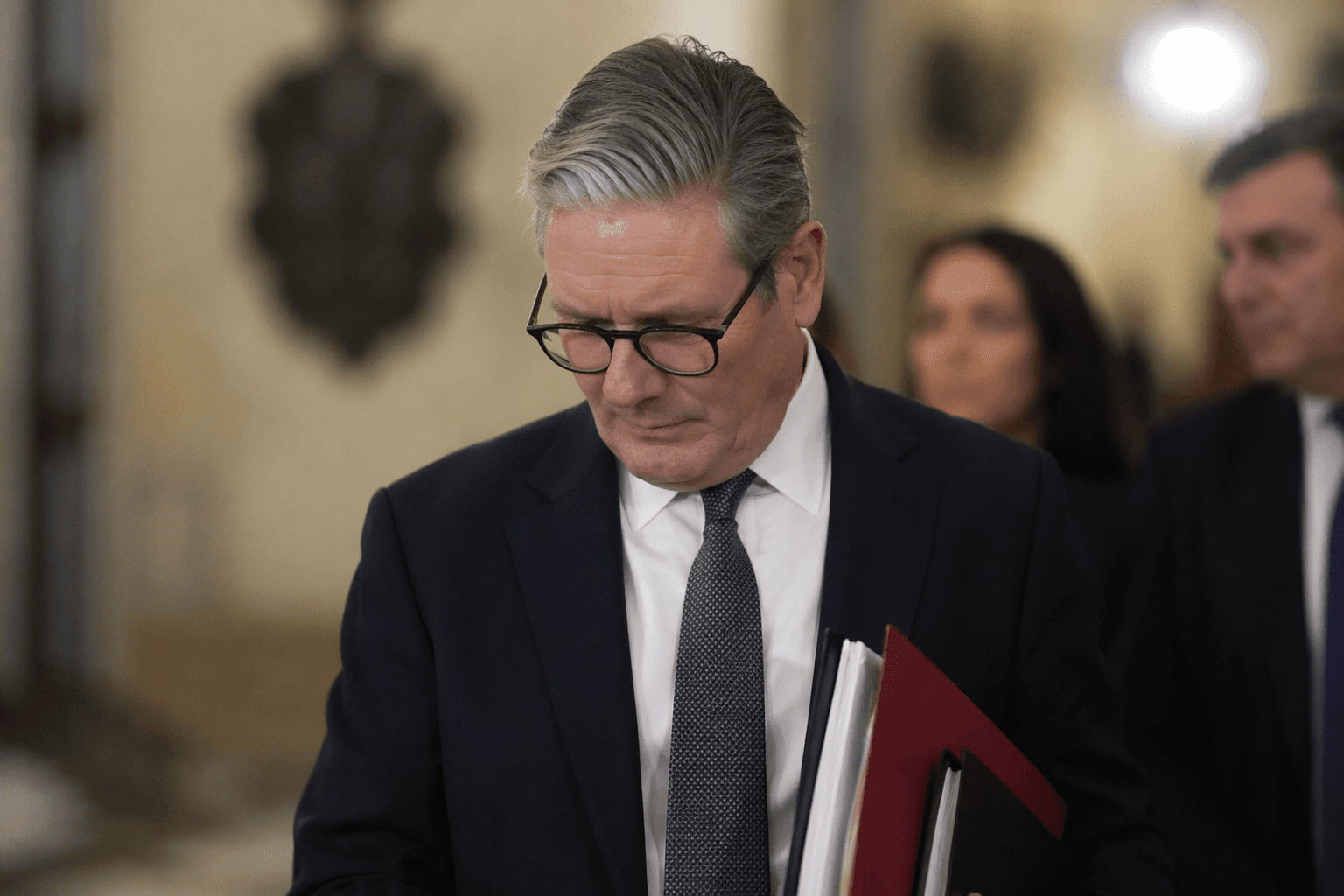
Trump added to the pressure by declaring that Starmer had failed badly on immigration and energy and by urging Britain to OPEN NORTH SEA OIL. The intervention landed at a sensitive moment for the United Kingdom’s ties with the United States. Starmer had only recently used a Downing Street statement on 15 June to welcome the breakthrough reached between the United States and Iran and to congratulate Trump, a reminder that the two leaders had been speaking in a very different register only days earlier.
For American readers, the stakes go beyond Westminster drama. A weakened prime minister in London can complicate coordination on NATO, trade and Iran policy just as the United States is dealing with multiple geopolitical strains. Britain remains a key European security partner, and any prolonged leadership crisis in Downing Street risks slowing decisions at precisely the moment both governments need predictable alignment.
The political backdrop is worsening fast. Labour’s heavy losses in local and regional elections in May have already shaken confidence inside the party, and potential challengers are being discussed openly. Andy Burnham’s victory in the Makerfield by-election has reportedly strengthened his standing, adding another name to the arguments now unfolding inside Labour’s ranks.
Starmer came to office in July 2024 after Labour’s landslide ended 14 years of Conservative rule. Less than two years later, the political capital from that victory is draining quickly, and the next 24 hours could determine whether the party is heading into open contest or another round of managed crisis.
This article was produced by Prism’s automated news system from verified source data, official records, and press releases, then run through automated quality and moderation checks before publishing. The system is built and supervised by the people who set the standards it runs under. Read our full AI policy.
Know something we missed? Have a correction or additional information?
Submit a Tip