State Department Picks Sculptor Alma Allen for Venice Biennale Pavilion
The State Department put a former pet food store owner in charge of the Venice selection, then named Alma Allen for a pavilion built to showcase America abroad.
The State Department’s latest Venice Biennale decision turned a once-technical arts process into a test of institutional credibility, handing control of the U.S. pavilion selection to a woman who previously owned a pet food store and leaving longtime arts agencies outside the room. The move comes as the American pavilion, set to open next May during the nation’s semiquincentennial, is increasingly treated as both a cultural assignment and a proxy for how the country wants to present itself abroad.
The shift is stark. For earlier Biennale cycles, the National Endowment for the Arts worked with the State Department and assembled a panel of museum experts and arts scholars to review proposals. This year, the NEA was not involved, with a spokesperson citing “current time constraints and staffing transitions at both agencies.” The Bureau of Education and Cultural Affairs typically starts by posting a grant of about $375,000 and opening a portal for applications, a process that usually began about 18 months before the opening of the exhibition. In 2022, the Venice Biennale drew a record 800,000 visitors, underscoring the scale of the platform now at stake.
The first proposal to emerge in the fraught 2026 cycle came from artist Robert Lazzarini and curator John Ravenal, who were briefly selected after a September email and phone call from the State Department. That plan later collapsed when negotiations with the University of South Florida’s Contemporary Art Museum broke down. Ravenal described the failure as “two bureaucracies failing to mesh,” not an ideological dispute. Kathleen Ash-Milby warned that the process may have been “past the point of no return” because of the late start, a delay that left the U.S. behind other countries that had already named their 2026 Biennale artists.
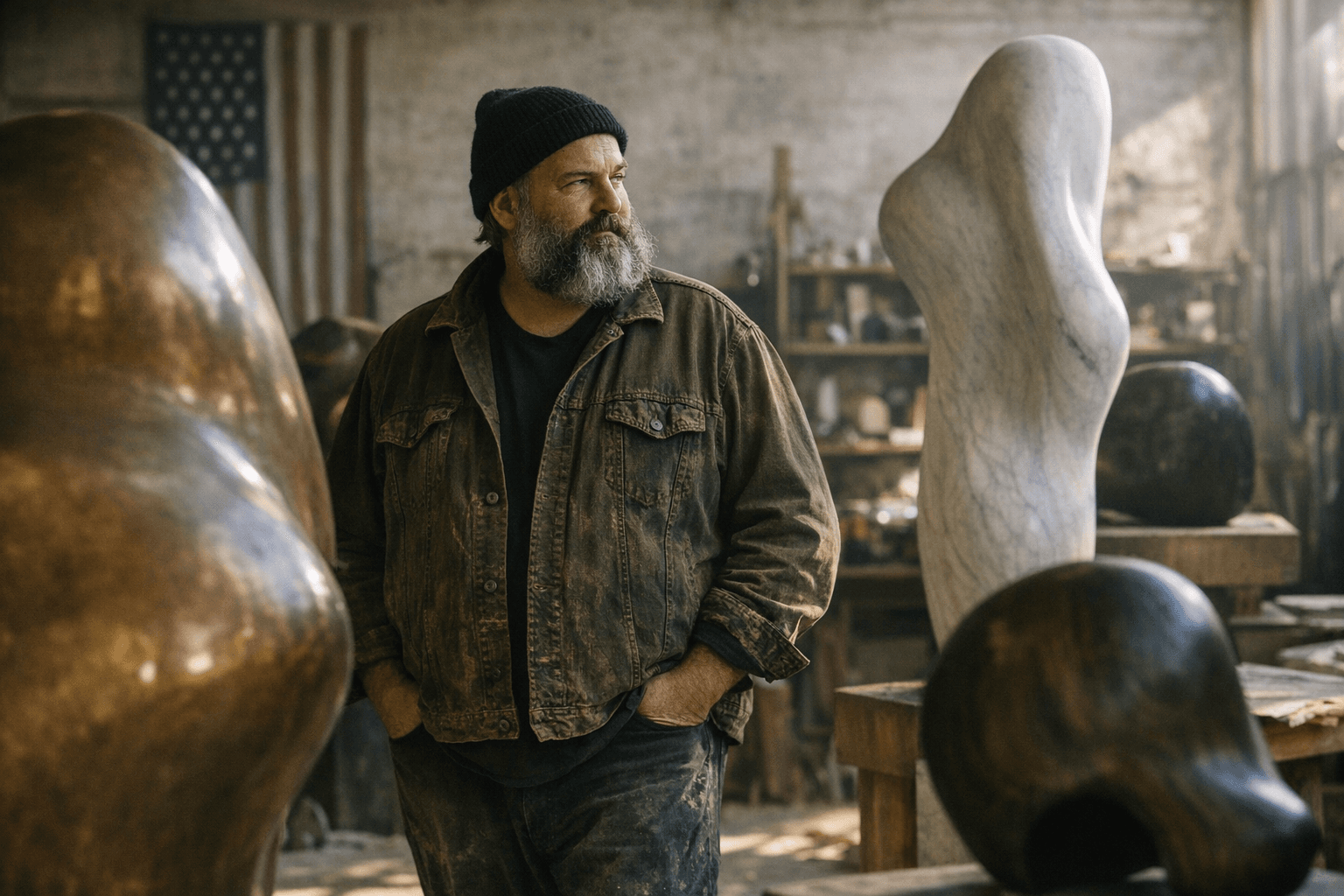
The State Department then confirmed Mexico-based sculptor Alma Allen as the artist for the 2026 U.S. pavilion, with Jeffrey Uslip as curator and the newly formed American Arts Conservancy as the commissioning institution. Allen, born in Herber City, Utah, in 1970, later lived in Joshua Tree, California, and Tepoztlán, Mexico. Over a three-decade career, he has had only two museum solo shows, though he has also been included in the Whitney Biennial.
The revised application language said proposals should remain “non-political” and be representative of the diplomacy of American political, social and cultural life, while also advancing international understanding of American values. That wording, combined with a stripped-down selection structure and a new commissioning nonprofit, has fueled the sense that the real story is not just who will occupy Venice, but who now controls the machinery of cultural representation.
This article was produced by Prism’s automated news system from verified source data, official records, and press releases, then run through automated quality and moderation checks before publishing. The system is built and supervised by the people who set the standards it runs under. Read our full AI policy.
Did this article answer your question?