State Department plans to slash visa processing across Africa
Nearly 50 U.S. visa posts in Africa are set to drop to 20, forcing many applicants to travel across borders for interviews and documents. The cut lands as Washington tightens entry rules across the continent.
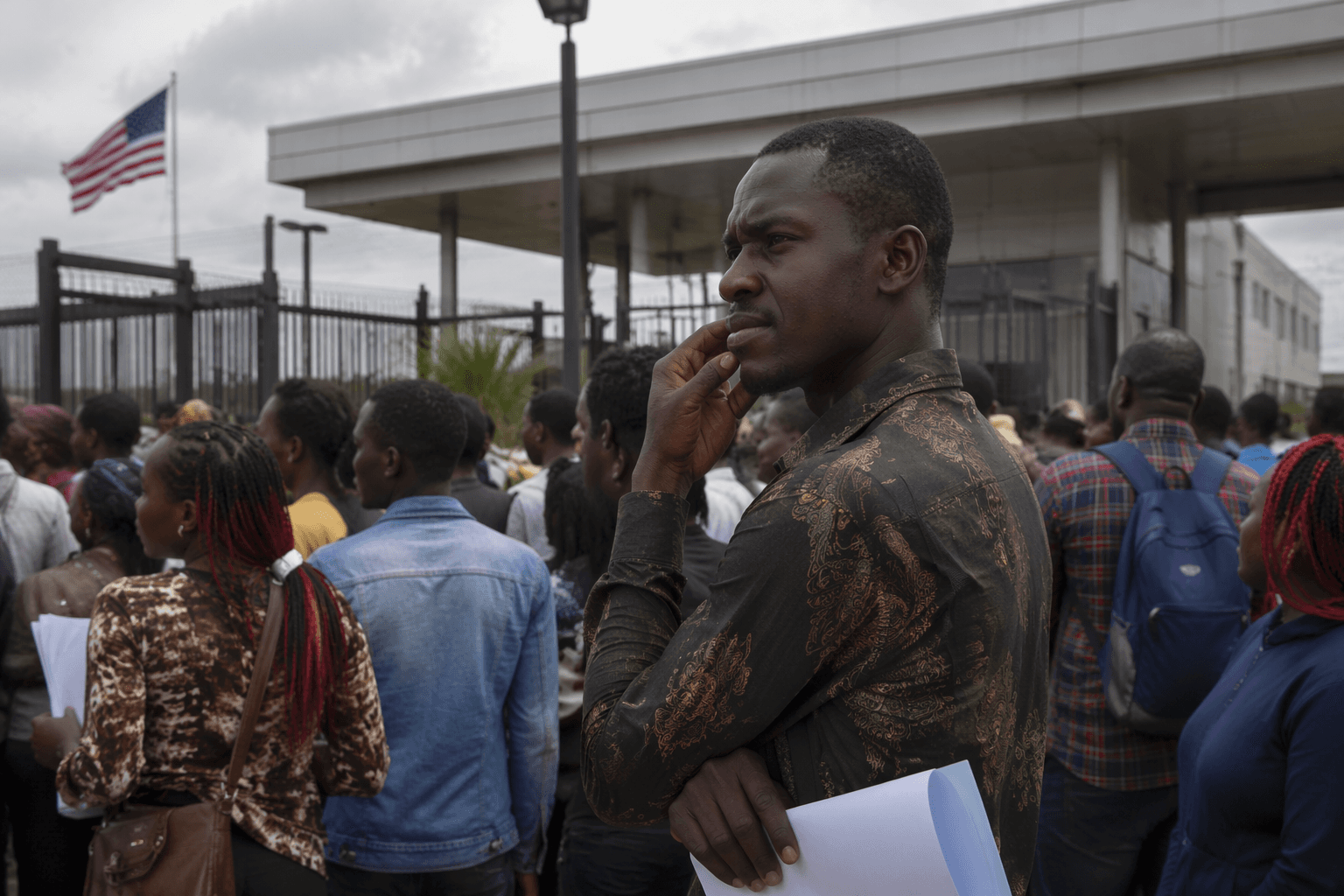
The State Department is preparing to cut visa processing across Africa from nearly 50 embassies and consulates to 20, a move that would push many applicants to travel to a different country just to reach a U.S. interview. For students, workers, families and business travelers, that means higher costs, longer trips and a new administrative hurdle at the front end of any plan to reach the United States.
The change is expected in June and is part of the Trump administration’s broader drive to tighten immigration and reduce overstays on both immigrant and non-immigrant visas. Under the new setup, posts that lose processing authority would still stay open for U.S. citizen services, emergency assistance, diplomatic visas and a narrow set of special national-interest cases. But routine visa interviews would be concentrated in a smaller group of designated hubs.
That shift would formalize a system the State Department already uses in some places. Its visa guidance says nationals of countries where routine visa operations are not conducted must apply at a designated embassy or consulate, and updated nonimmigrant visa instructions issued on December 12, 2025 told applicants to schedule interviews in their country of nationality or residence. The Africa consolidation would make that rule far more consequential, especially in countries far from the nearest processing center.
The reduction lands after a year of sharper visa controls. On January 21, 2026, the department paused immigrant visa issuances for nationals of dozens of countries, including many African states. Its visa-news page was still listing multiple recent policy changes and restrictions on June 2, 2026, including special processing limits tied to travel bans, a bond requirement of as much as $15,000 for some applicants and restrictions linked to the Ebola outbreak.
Officials are defending the overhaul as a matter of security screening and resource allocation, saying overseas operations are constantly reviewed so taxpayer money is deployed efficiently and effectively. But for African governments, universities, employers and families, the message is harder to miss: Washington is narrowing one of its most direct channels of influence on a continent where access to the United States already varies sharply from country to country.
This article was produced by Prism’s automated news system from verified source data, official records, and press releases, then run through automated quality and moderation checks before publishing. The system is built and supervised by the people who set the standards it runs under. Read our full AI policy.
Know something we missed? Have a correction or additional information?
Submit a Tip