Vet volunteers restore hidden Japanese garden on West LA VA campus
Veterans are reviving a 1968 Japanese garden on the 387-acre West LA VA campus, using Thursday work parties as quiet peer support outside clinic walls.
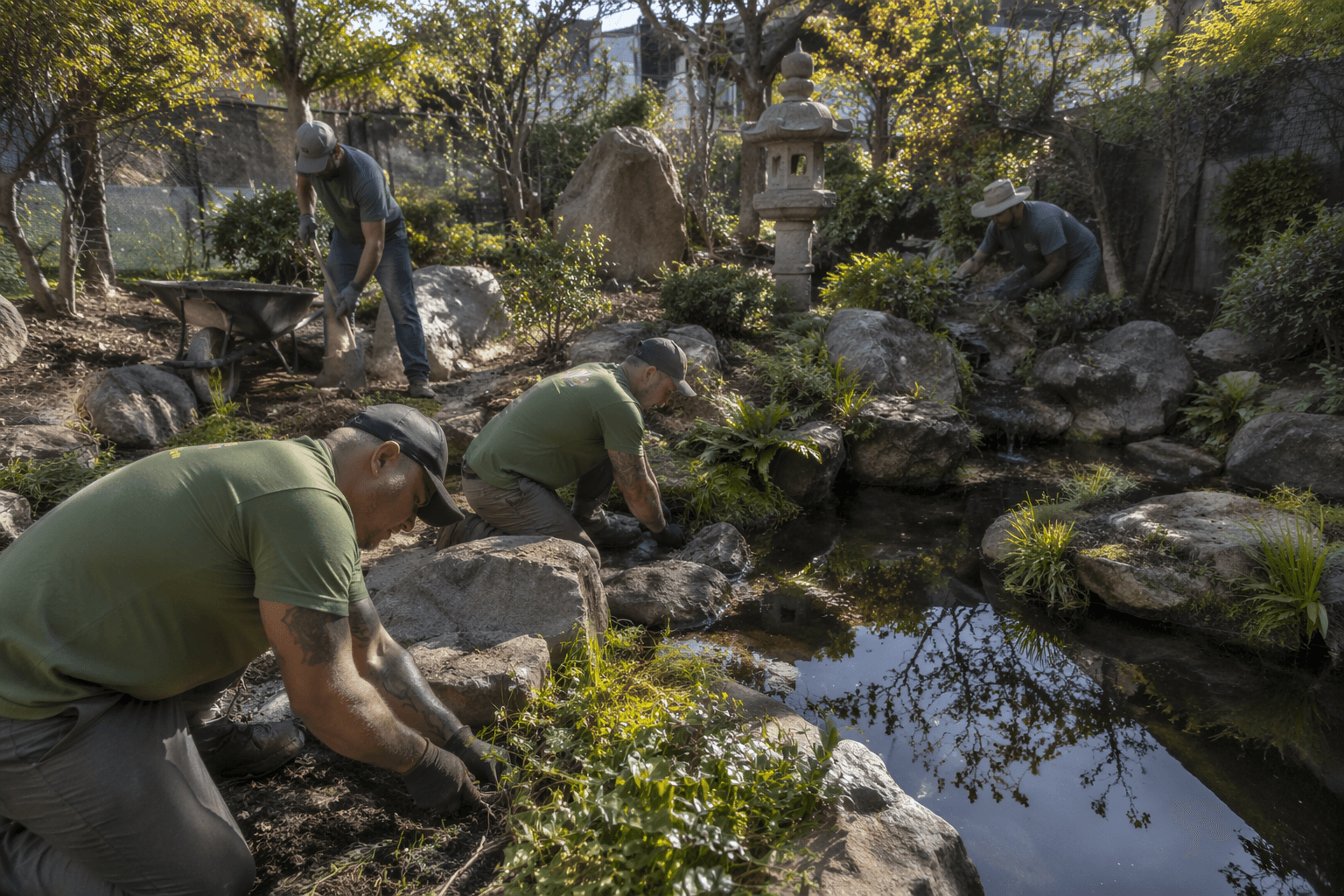
John Follmer, an Iraq war veteran, has been leading volunteers in the rehabilitation of a neglected Japanese garden on the West Los Angeles VA Medical Center campus at 11301 Wilshire Boulevard, where the 1968 space had fallen into wild disrepair before he found it about six years ago. The garden sits in a grotto on the north side of the 387-acre campus, near the southwest corner of the 405 freeway and Wilshire Boulevard, yet still feels secluded enough to offer a pocket of calm in the middle of Los Angeles. Veterans come to work there every Thursday, and Follmer says some show up to pull weeds and restore the grounds while others come mainly for the serenity. He hopes to add active beehives.
The garden’s comeback is a reminder that mental health support does not always come through a clinic door. On this campus, peer labor and shared stewardship are part of the therapy itself, with restoration work providing structure, purpose, and time beside other veterans. Disabled American Veterans Chapter 5 says it sponsors and supports the Japanese garden, helps keep it from falling into neglect, and opens it to the public on Thursdays.
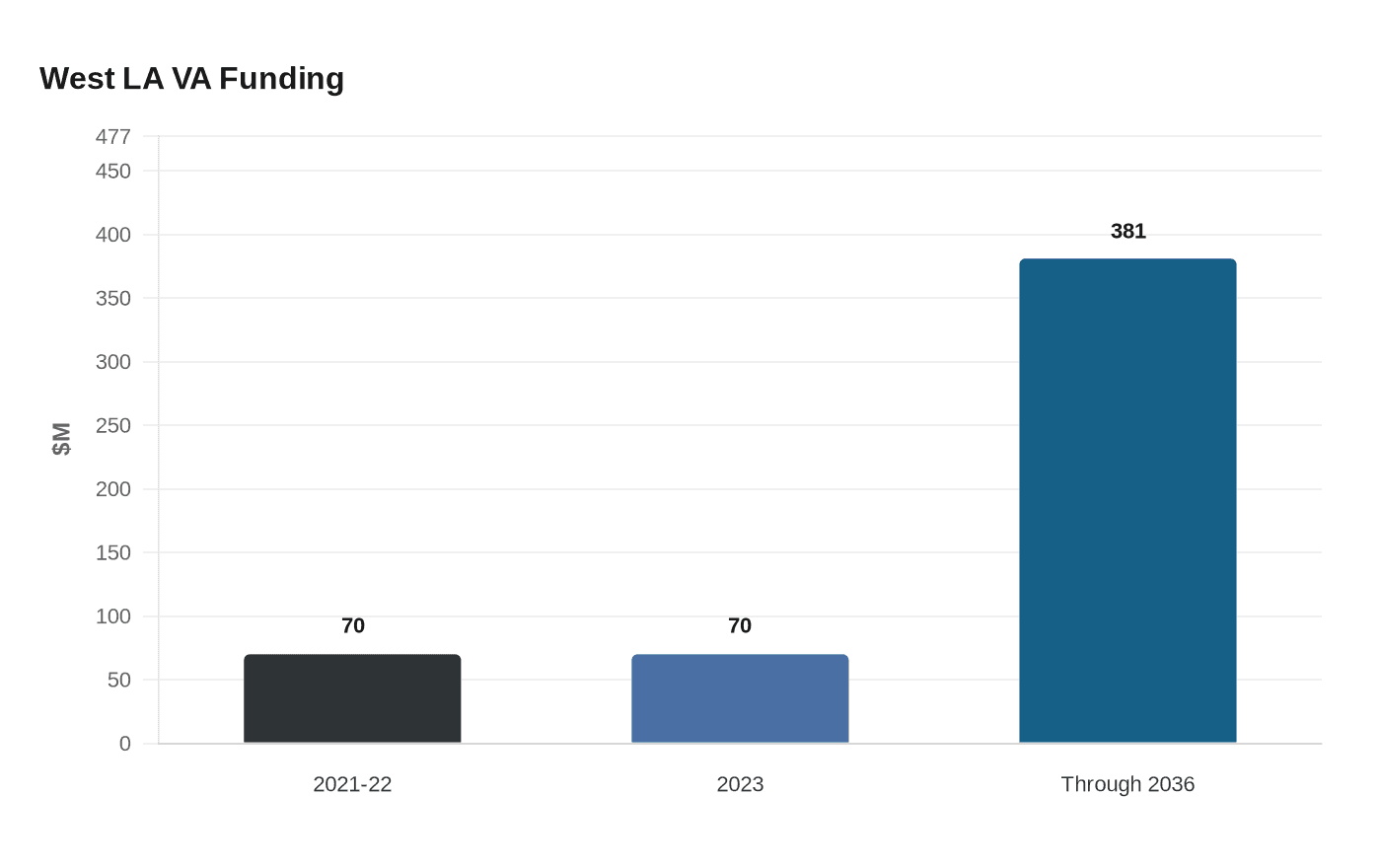
The effort also sits inside a much larger institutional reset at West LA. The U.S. Department of Veterans Affairs updated its West LA Master Plan in 2022, building on a 2016 draft and public input, and says the plan calls for at least 1,200 units of housing for formerly homeless and at-risk veterans and their families, along with supportive services, a town center, and medical care. The VA says it invested nearly $70 million in 2021 and 2022 combined, planned roughly $70 million more in 2023, and expects Section 705 of the PACT Act to provide about $381 million through 2036 for veteran housing.
That policy shift lands on ground with a long and contested history. The campus was established in 1888 as the Pacific Branch of the National Home for Disabled Volunteer Soldiers after the land was donated specifically for veterans. It later housed about 5,000 veterans at its peak in the 1950s, before commercial leasing in the 1970s triggered protests that began with a 1974 hunger strike. The campus also includes other healing landscapes, including the Women’s Veterans Rose Garden, built in 1947 and still used for trauma therapy.
The Japanese garden is not the only place on the grounds where old-purpose and new-purpose overlap. A 2025 VA story said the 15-acre Veterans Garden once employed hundreds of veterans with mental illness in a gardening work-therapy program before it fell into disrepair. Jennifer Allen, the VA Whole Health Program Manager and a nurse practitioner, has spent four years working to revitalize that space as a regenerative farm and job-training site with GrowGood and UCLA Health. UCLA says it is the largest farm integrated within a health system in the United States and can grow produce for about 1,200 veterans. Together, these projects show both the strength of volunteer-led care and the gaps that still leave veterans dependent on neighbors, not just systems, to keep healing spaces alive.
This article was produced by Prism’s automated news system from verified source data, official records, and press releases, then run through automated quality and moderation checks before publishing. The system is built and supervised by the people who set the standards it runs under. Read our full AI policy.
Know something we missed? Have a correction or additional information?
Submit a Tip