State highlights license plate reader program boosting McKinley County officer safety
NM DPS announced a statewide rollout of license plate readers on March 3, 2026, saying the technology will serve as an investigative tool and an officer-safety measure for McKinley County.
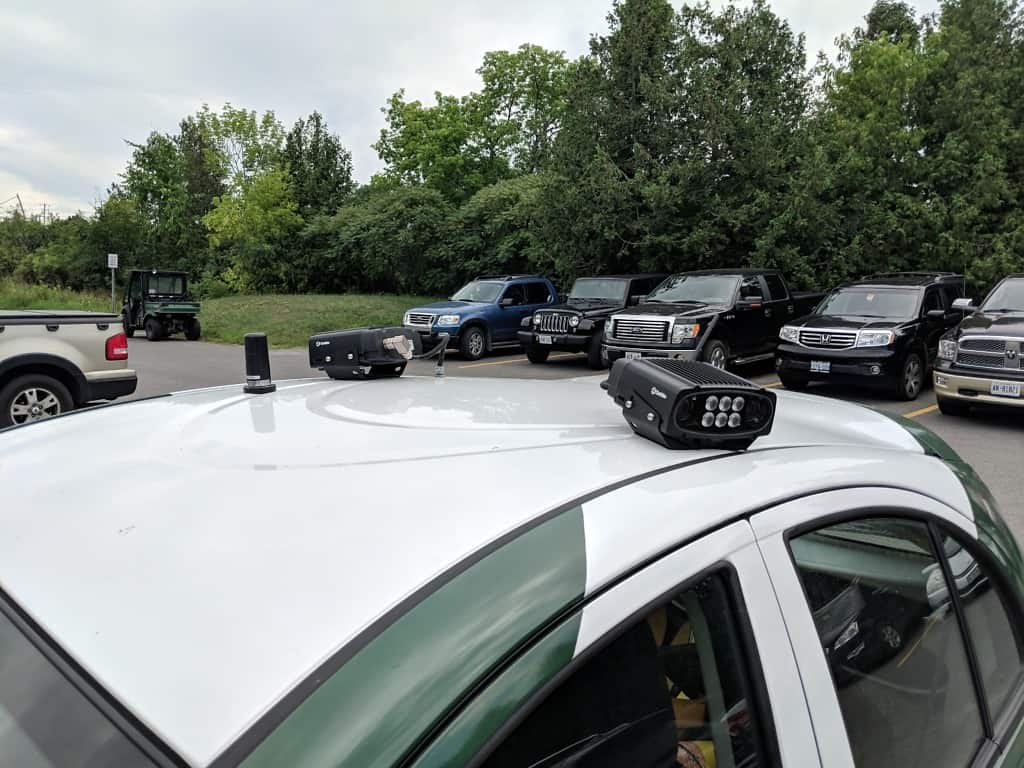
The New Mexico Department of Public Safety announced a statewide rollout and ongoing expansion of License Plate Reader (LPR) technology that the agency says will function as an investigative tool and an officer-safety measure for counties across the state, including McKinley County. The announcement positions the program as a tool to improve situational awareness for patrol officers confronting the growing variety of license plates on New Mexico roads.
On March 3, 2026, NM DPS published an extended piece explaining the statewide rollout and ongoing expansion of LPR technology. The department framed the program as both an investigative tool and an officer-safety measure, and the March 3 posting serves as the state-level source for the announcement and the language describing expansion across New Mexico.
National context in the materials NM DPS provided cites the American Association of Motor Vehicle Administrators, which states that “Federal, state, local, and tribal public safety agencies rely on accurate and timely license plate information to effectively and efficiently perform the multiple tasks required in the performance of their duties.” AAMVA materials list concrete alert and use categories tied to plate reads, including “hot lists (e.g., stolen vehicle), Be On the Look Out (BOLO), Attempt to Locate (ATL), officer safety information, AMBER Alerts for at-risk children, SILVER Alerts for at-risk adults, and more.” The AAMVA excerpt also notes that “Much of this information can be, and often is, associated with a vehicle’s license plate.”
AAMVA provided a sample table it labeled “a sample of the growth in license plate designs.” The table reproduced in the materials reads: Jurisdiction 2009 2012 2021 2024 Arizona 52 64 75 105 California 106 117 167 167 Maryland 800 935 1,365 1,175 Montana 152 177 350 493 Pennsylvania 245 310 582 584 South Carolina 385 417 429 583 Texas 225 376 499 590 7 state totals 1,965 2,396 3,467 3,697 % Increase from 2009 to 2024 88%
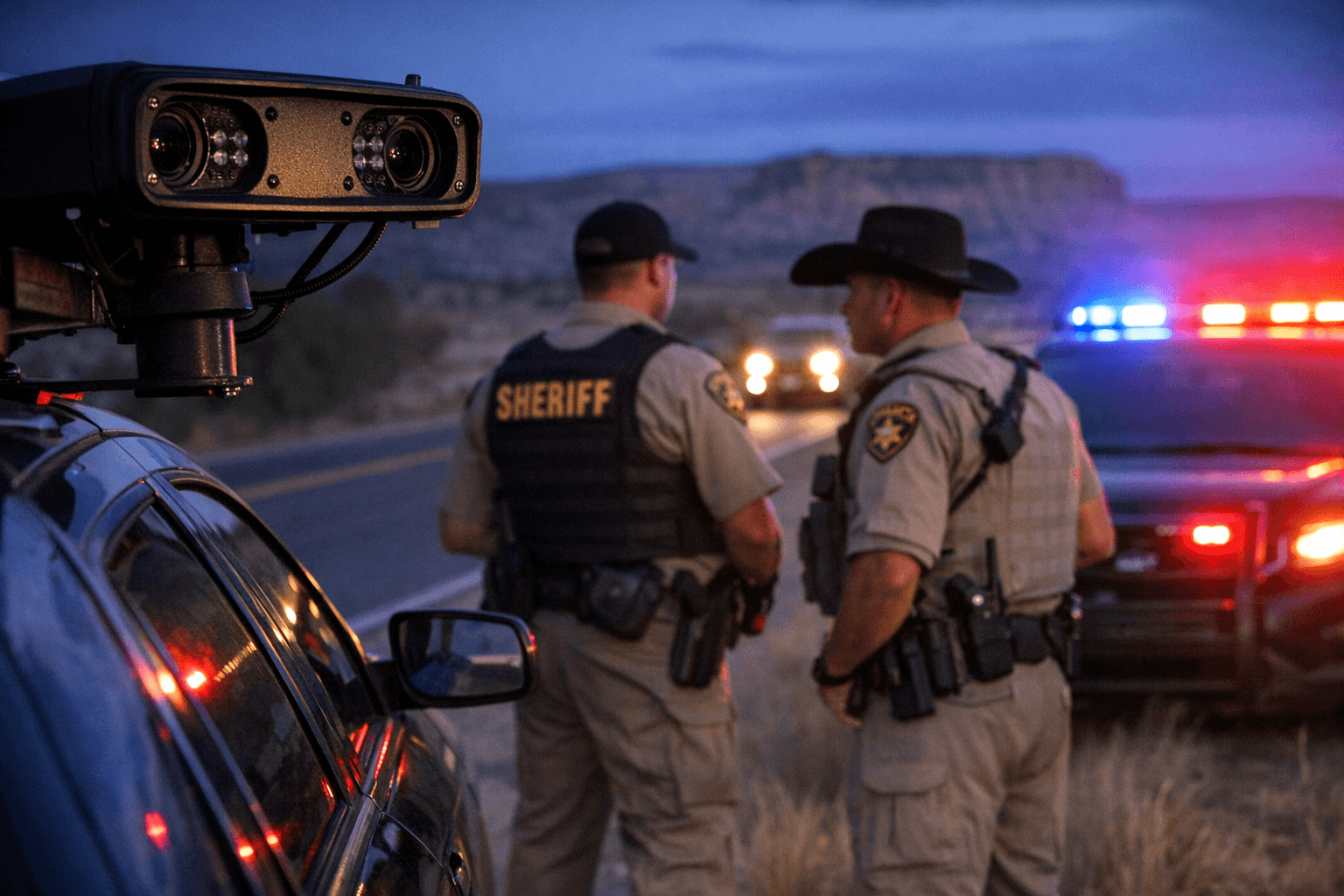
AAMVA frames LPR capability in operational terms that bear on officer safety, writing that “The ability of LPRs to quickly and accurately scan thousands of license plates is critical to the men and women of law enforcement who contact hundreds of thousands of people throughout the U.S. and Canada every day, as well as to Customs and [...]” The association further explains officer-safety benefits in concrete language, beginning with the heading “Officer Safety Benefits Safety is of paramount concern for any law enforcement officer initiating a traffic stop.” AAMVA notes that “Officers in patrol vehicles not equipped with LPR technology may not be as informed about the vehicle information as those who have the technology,” and that “In the past, a law enforcement officer could be familiar with all 50 states’ license plates. Today with the proliferation of license plate designs, specialty, and vanity plates—in some cases into the hundreds in a single jurisdiction—it is virtually impossible for instant visual recognition for today’s police officers.” The excerpt adds that “novelty plates that closely resemble official license plates have added to the difficulty law enforcement contends with in determining plate validity.”
The March 3, 2026 NM DPS posting does not include operational numbers or policy details that are critical to local oversight. The extended piece supplied in the materials includes no counts of LPR units deployed in New Mexico, no list of counties or locations receiving equipment, no vendor or contract names, no budget or cost figures, no data-retention or privacy policies, and no documented examples of cases or officer-safety incidents tied to LPR reads. Those omissions leave unresolved questions about how the statewide rollout will translate into equipment and data flow in McKinley County.
For McKinley County law enforcement and elected officials, the NM DPS announcement establishes the state intent to expand LPRs while leaving key implementation and oversight details unspecified. The AAMVA material supplied with the announcement supplies national justification and a striking 88 percent sample increase in the table of plate-design growth, but it does not substitute for local deployment data, data-sharing agreements, or retention and access rules that McKinley County oversight bodies will need to evaluate the program’s impact on officer safety and civil liberties.
Sources:
Know something we missed? Have a correction or additional information?
Submit a Tip