State proposes alcohol fees to fund treatment, could affect Logan County
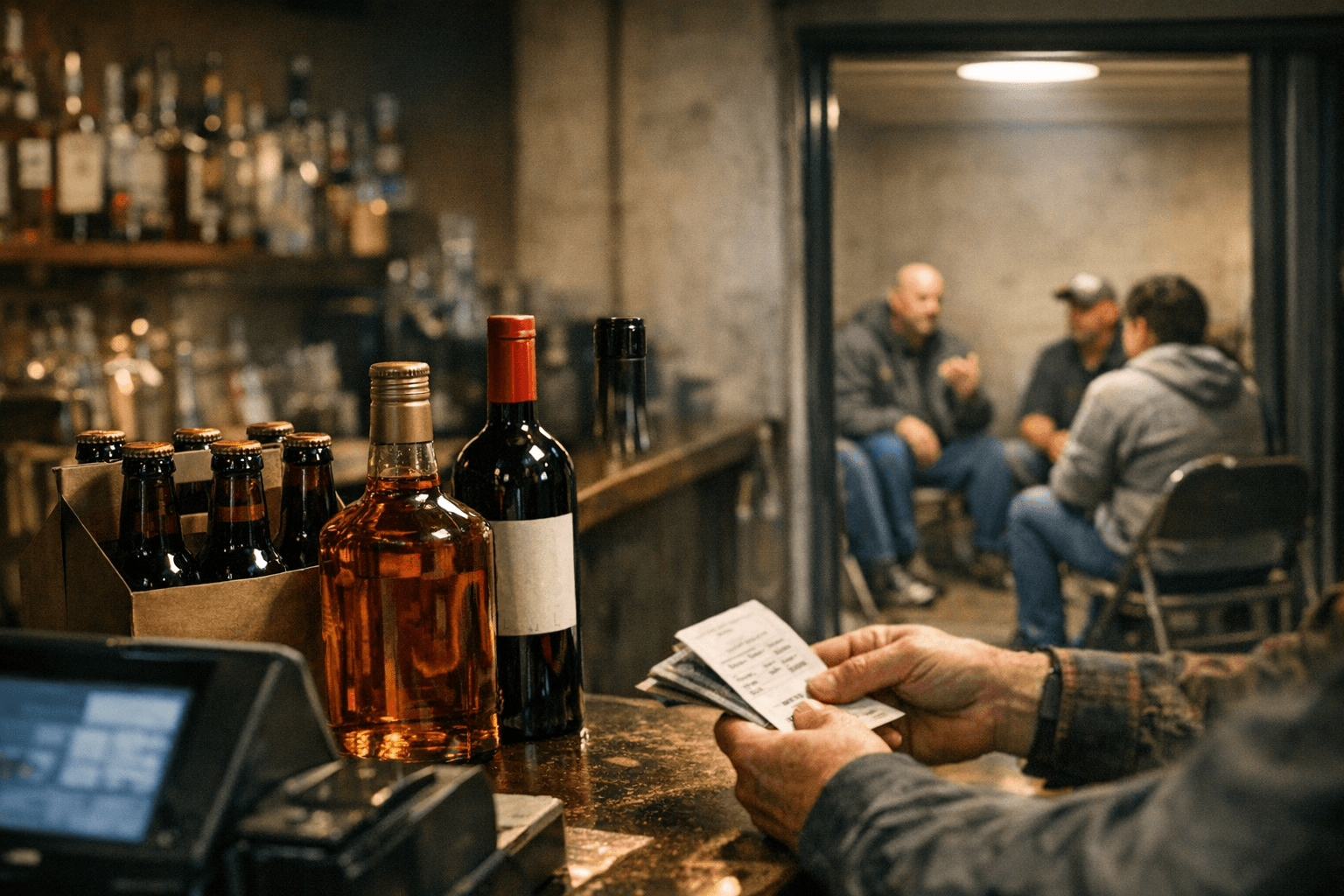
House Bill 1271 would add $0.26 to a bottle of spirits, $0.05 to a wine bottle and about $0.03 to a six-pack, fees that could appear on receipts in Sterling and across Logan County when they begin July 2027.

House Bill 1271 would create three state enterprises to charge manufacturers and wholesale distributors fees that translate to about 3 cents on a six-pack of beer, 5 cents on a standard wine bottle and 26 cents on a fifth of spirits, with the fees not taking effect until July 2027. The bill’s per-unit fees are $0.26 per bottle of spirits, $0.05 per bottle of wine and about $0.03 per six-pack of beer, according to KUNC reporting.
Under the legislation, the enterprises would be structured by product group: one for beer, hard cider and “apple wine,” a second for grape wine, and a third for spirits. The bill defines apple wine as beverages made from apples or pears that contain up to 22 percent alcohol and are not cider, a definition spelled out in Denver Post coverage of the proposal.
KUNC reported the fees would apply to beer, wine and spirits manufacturers and wholesale distributors, while small breweries would be exempt from the enterprise fees. The Colorado Department of Revenue would collect the fees and an oversight board would distribute the revenue, KUNC said, with funds designated specifically for prevention, treatment and recovery programs tied to alcohol-related substance use disorders.
Denver Post reporting described the enterprises as governed by an 11-member board that would identify gaps in statewide alcohol-use disorder prevention and treatment offerings and direct funds to close those gaps. The Denver Post also noted that three of the 11 seats would be reserved for alcohol industry representatives, a detail that shapes how decisions about distribution would be made.
Supporters framed the mechanism as fees rather than taxes. As KUNC put it, "The fees, more specifically called enterprise fees, are not considered taxes under state law because they generate revenue from a specific industry to fund services directly related to that industry." KUNC further noted that, under Colorado law, new taxes would require voter approval under the Taxpayer Bill of Rights while enterprise fees can be enacted through legislation.
The bill’s four sponsors are Democrats Rep. Jamie Jackson of Aurora, Rep. Jennifer Bacon of Denver, Sen. Judy Amabile of Boulder and Sen. Iman Jodeh of Aurora. KUNC reported the measure was expected to be officially introduced in the Colorado House the week of late February and early March reporting. The Denver Post, which covered the proposal in early March, said the four sponsors did not respond to questions about the proposal.
The public-health rationale cited in Denver Post coverage underscores the stakes: "In 2024, the state recorded 1,419 'alcohol-induced deaths,' which includes deaths from organ damage caused by excessive drinking or complications of withdrawal, but not other deaths where alcohol was a factor, such as accidents or certain cancers." Backers of House Bill 1271 say the enterprise fees would direct new revenue to prevention, treatment and recovery services aimed at reducing those harms.
For Logan County the immediate variables include whether local wholesalers and retailers in Sterling and surrounding towns pass the small per-unit fees onto customers, and whether any Logan County breweries qualify for the small-brewery exemption KUNC described. The Journal‑Advocate has reported on the bill locally; additional details specific to Logan County businesses and treatment providers were not included in the initial statewide reports. As House Bill 1271 moves through the legislature between introduction and committee hearings, Logan County officials, retail owners and treatment providers will have the opportunity to evaluate how the anticipated revenue stream might affect local services and storefront prices before fees would begin in July 2027.
Know something we missed? Have a correction or additional information?
Submit a Tip