States race to destroy toxic firefighting foam linked to cancer
New Jersey has hauled away more than 150,000 gallons of PFAS foam as states scramble to erase a cancer-linked legacy from fire stations and airports.
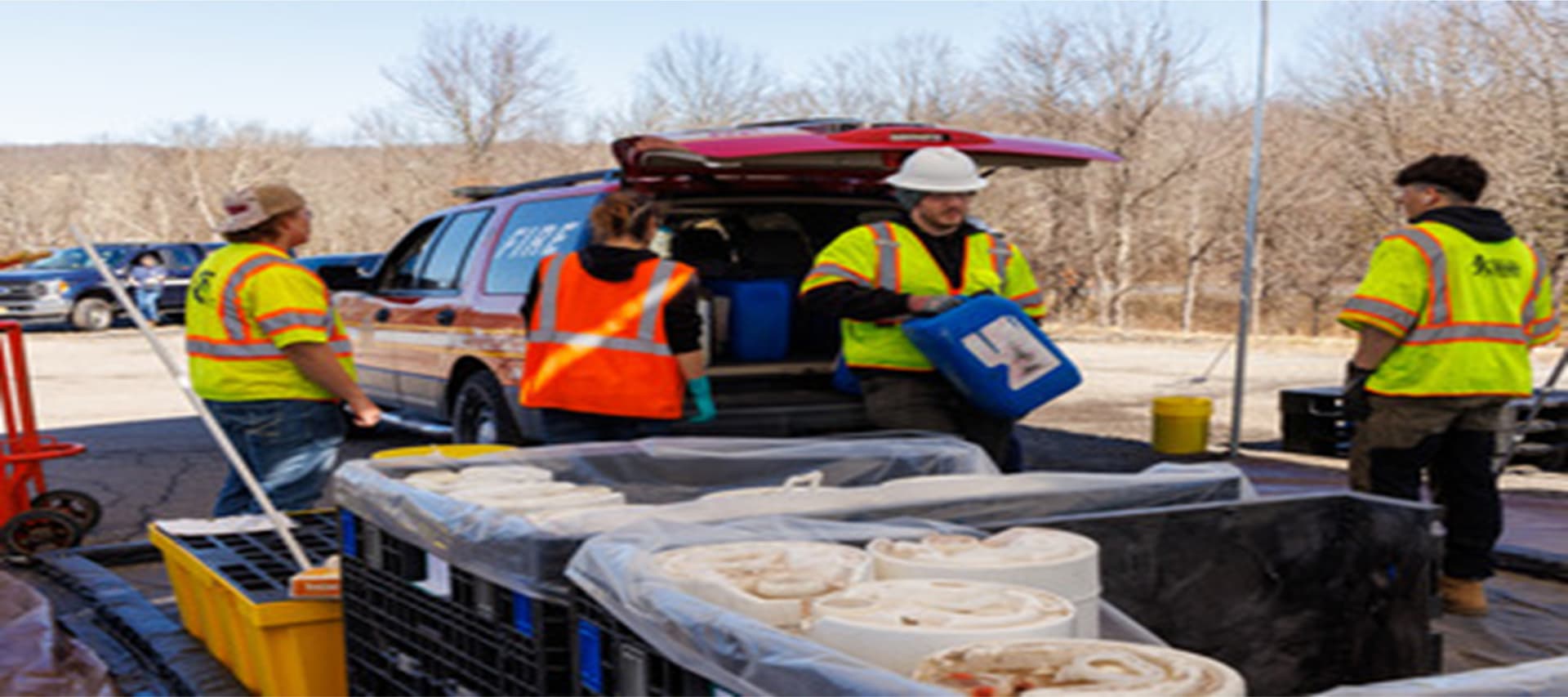
New Jersey has collected more than 150,000 gallons of PFAS-containing firefighting foam from fire stations and shipped it to Revive Environmental in Ohio for destruction. State officials say the effort now spans hundreds of fire departments, part of a wider push in more than a dozen states to collect and eliminate old stocks of the foam before it can be used again.
The material at the center of the cleanup is AFFF, or aqueous film-forming foam, a product long prized for knocking down fuel and liquid fires fast. The problem is what made it effective: PFAS, the so-called forever chemicals that can persist in the body and have been linked to reproductive problems and some cancers. For firefighters, the shift is not just about changing a tool in the apparatus bay. It is about removing a substance that was standard for years and now carries a health burden departments can no longer ignore.
New Jersey officials have framed the effort as a major statewide operation to safely destroy PFAS-containing foam already sitting in firehouses. The foam collected from local departments is being sent to Revive Environmental, which uses supercritical water reactors to break it down. The cleanup also shows the financial and logistical strain that comes with replacing a long-used firefighting product: departments must find safer alternatives, inventory what remains on site and get rid of hazardous stockpiles without exposing crews or surrounding communities.
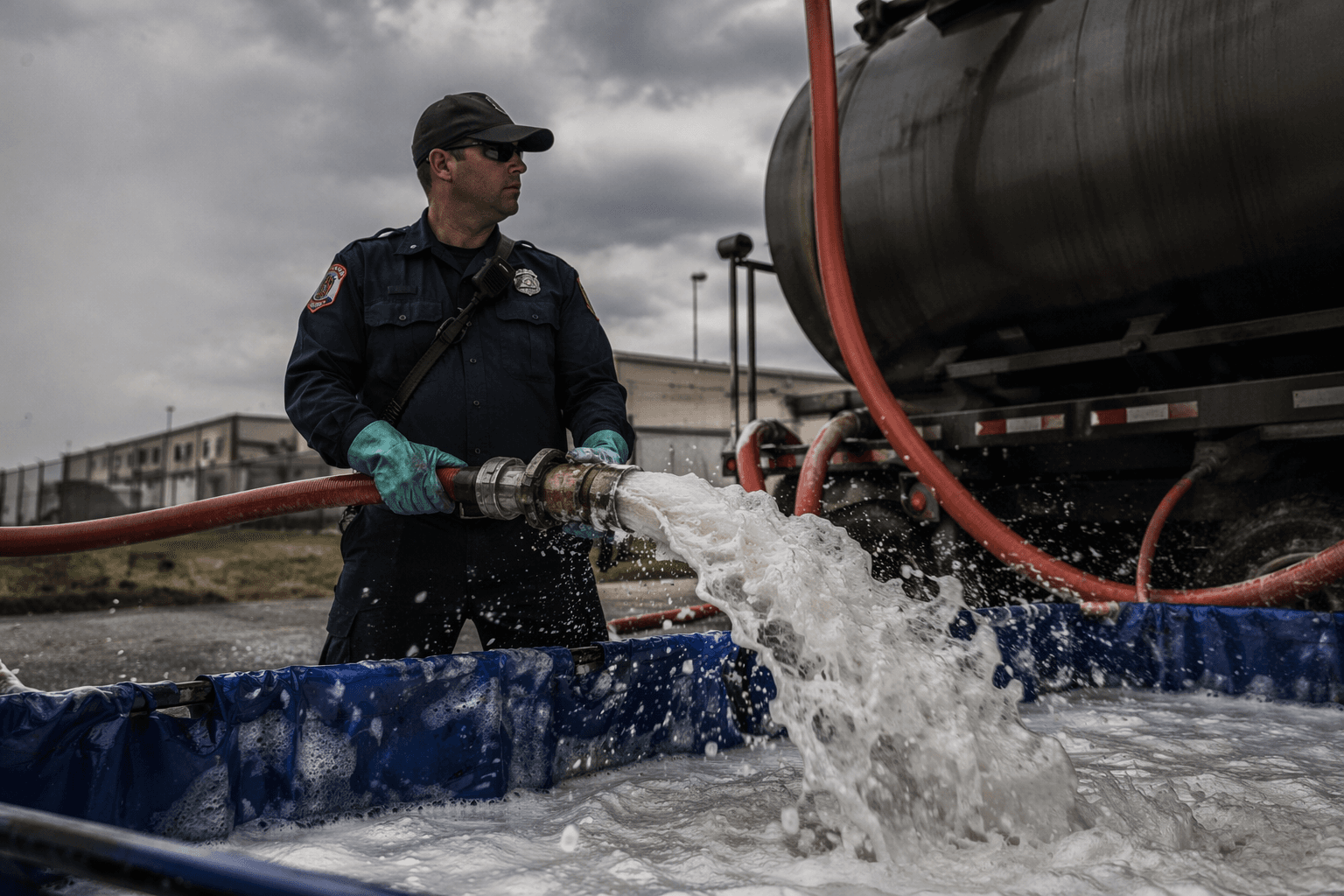
Florida has moved on the policy side as well. HB 1019, the Joe Casello Act, took effect July 1 and phases out the use, sale and possession of AFFF. The law also requires disposal rules, a registry of PFAS-free alternatives and grants to help fire departments and airports switch products. Maryland illustrates the unfinished business. The state banned PFAS-laden firefighting foam in 2022, but in 2026 still lacked a disposal plan, leaving local departments with foam they could not legally use but still had to store safely.
The cleanup is unfolding against a stark memory in places such as Bellbrook, Ohio, where firefighters at Fire Station 22 were shown removing buckets of AFFF from the station. That scene captured the new reality for departments nationwide: a life-saving foam once treated as routine now comes with a cancer-risk legacy and a disposal bill that keeps growing.
This article was produced by Prism’s automated news system from verified source data, official records, and press releases, then run through automated quality and moderation checks before publishing. The system is built and supervised by the people who set the standards it runs under. Read our full AI policy.
Did this article answer your question?