States target utility profits as electricity bills rise nationwide
Households are paying more as states move to curb utility profits, with New Jersey and New York testing new ways to change how monopoly utilities earn.

Electricity bills are climbing at the same time states are asking whether monopoly utilities are making too much money off the grid. In at least six states, including Arizona, Indiana, Maryland, New Jersey, New York and Pennsylvania, governors, attorneys general and regulators are pushing back against rate hikes and the financing plans utilities are using to pay for major upgrades.
The fight is most visible in New York, where the Public Service Commission is supposed to decide utility rate cases within 11 months of filing. The state Department of Public Service says major cases can include changes to rates of return, depreciation, reliability spending and customer-service rules. That process is now handling unusually large requests, including Con Edison’s bid for about $1.612 billion in additional annual electric delivery revenue and New York State Electric & Gas’s request for about $464.4 million in additional annual electric revenues. In one recent example, the commission adopted a joint proposal for National Grid that sharply reduced the company’s request, showing how aggressively the state can trim utility demands.

New Jersey has taken a different tack. Gov. Mikie Sherrill signed executive orders on Jan. 20, 2026, declaring a utility affordability emergency and directing regulators to look at performance-based ratemaking, a model that would weaken the direct link between utility profits and capital spending. The New Jersey Board of Public Utilities has also begun exploring changes to the utility business model while moving ahead with solar, storage and virtual power plant efforts aimed at easing congestion and lowering bills.

Arizona Attorney General Kris Mayes has emerged as one of the sharpest critics of utility pricing. She has said her office would oppose a 14% rate hike proposed by Arizona Public Service, arguing that residents deserve reliable and resilient service but not utility profits built on the backs of struggling families. In Maryland, the dispute has reached federal regulators: a complaint filed in May argued that PJM Interconnection’s approach could saddle Maryland residents with about $1.6 billion in data-center-driven transmission costs over the next decade.
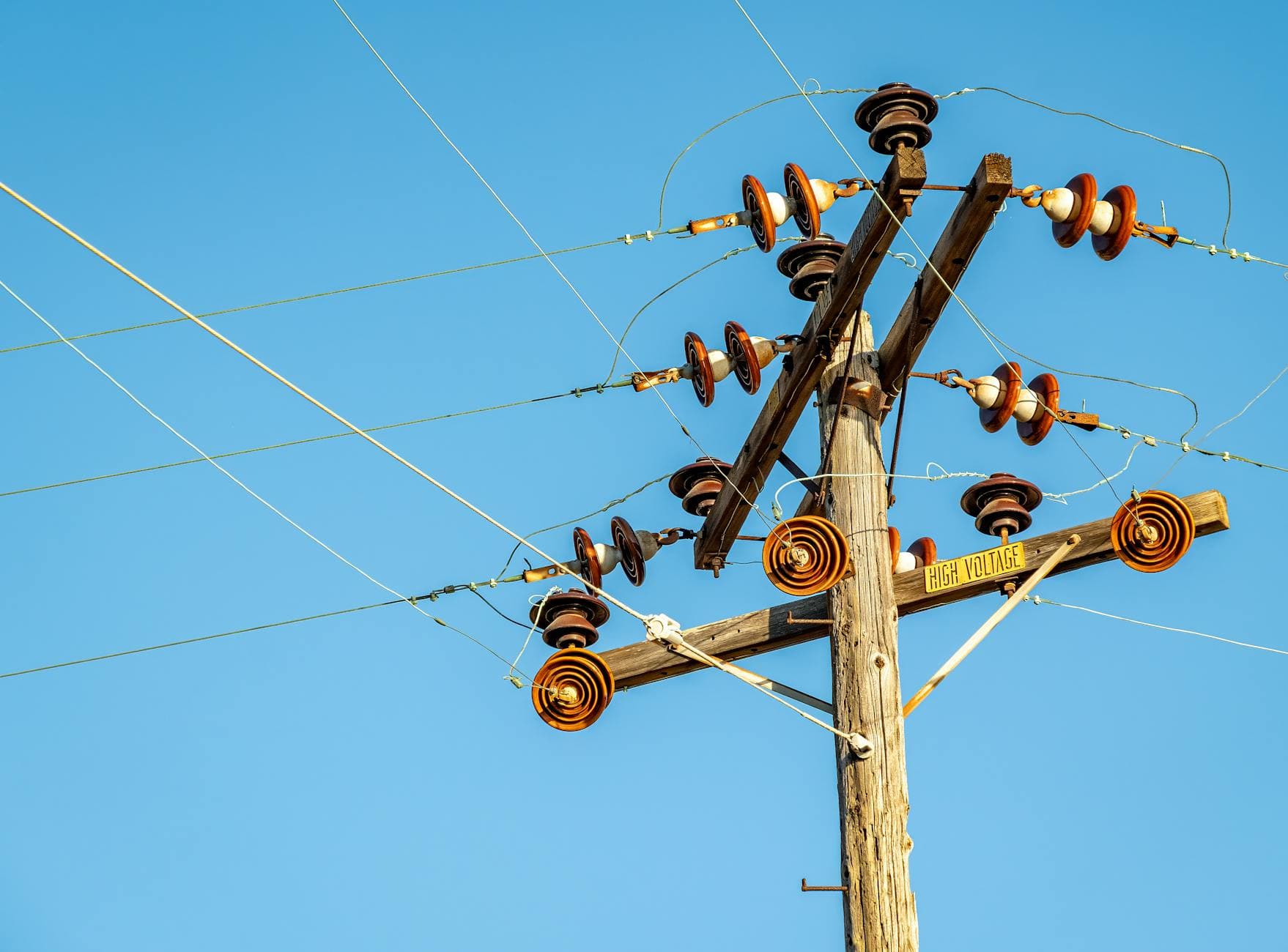
The larger backdrop is the artificial-intelligence boom, which is driving new demand for power-hungry data centers and forcing utilities to build more lines, substations and other infrastructure. That investment wave is bringing Wall Street attention, but it is also intensifying the political question at the center of the rate fights: whether customers should absorb the costs while shareholders keep unusually strong returns. An analysis by the Energy and Policy Institute found that 110 investor-owned electric utilities made more than $52 billion in profit in 2024, up from just under $39 billion in 2021, and collected more than $200 billion in net income from 2021 through 2024. The group estimated that about 12.8 cents of every dollar collected from customer bills went to profit, a figure now driving a broader clash over who pays for the modern grid.
This article was produced by Prism’s automated news system from verified source data, official records, and press releases, then run through automated quality and moderation checks before publishing. The system is built and supervised by the people who set the standards it runs under. Read our full AI policy.
Did this article answer your question?

