Stephen Lewis, Fiery AIDS Activist and Canadian Diplomat, Dies at 88
Named by Kofi Annan as the UN's first HIV/AIDS envoy for Africa, Lewis spent five years publicly shaming institutions into action before dying at 88.
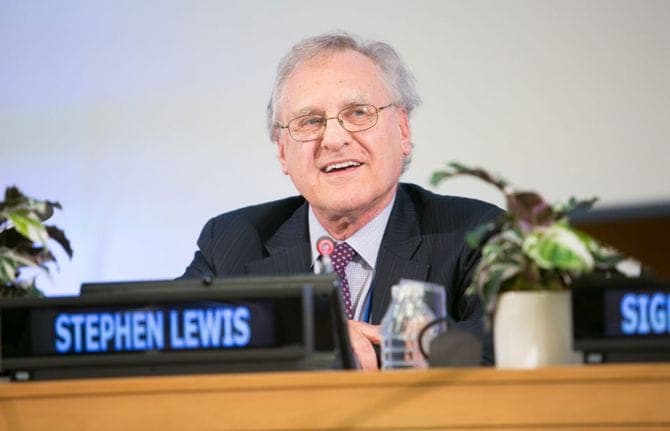
Stephen Lewis did not mourn the AIDS dead quietly. As the United Nations' inaugural Special Envoy for HIV/AIDS in Africa, he deployed a tactic that diplomats rarely risk: he called out powerful institutions by name, criticizing the World Bank and other bodies for their inadequate response to a catastrophe killing millions across sub-Saharan Africa. Colleagues noted that Lewis "was naming names, was calling out international institutions" in a way that stood apart from the careful hedging typical of senior UN officials.
Lewis died on March 31, 2026, at the age of 88, after an eight-year battle with stomach cancer. His death was announced by the Stephen Lewis Foundation, which he co-founded in 2003.
The appointment to that special envoy post, made by Secretary-General Kofi Annan in June 2001, gave Lewis a platform he used with relentless purpose through the end of 2006. He appeared at the 2004 Conference on Retroviruses and Opportunistic Infections, pressing scientists and policymakers alike. Tributes after his death described how he pressed the world to see the epidemic's human toll "not as a distant tragedy, but as a shared responsibility that demanded global action." The Foundation he co-founded has sustained that mission for more than two decades, backing community-led partners across health, education, and violence prevention across sub-Saharan Africa. He was also co-founder of AIDS-Free World.
Yet the measure of what remains undone is inseparable from his legacy. As of 2023, approximately 43 percent of children living with HIV were still not receiving treatment, a figure that reflects how far the global community has fallen short of the accountability Lewis spent his final decades demanding.
His path to those UN corridors ran through Canadian politics. Born on November 11, 1937, in Ottawa, he came from political royalty: his father, David Lewis, eventually led the federal New Democratic Party. Stephen represented the Ontario riding of Scarborough West as a Member of the Provincial Assembly from 1963 to 1978 and led the provincial NDP from 1970, guiding it into Official Opposition for the first time in more than 25 years in the 1975 election. Journalist Steve Paikin, who observed Lewis across decades of public life, called him "the greatest political orator of his time."
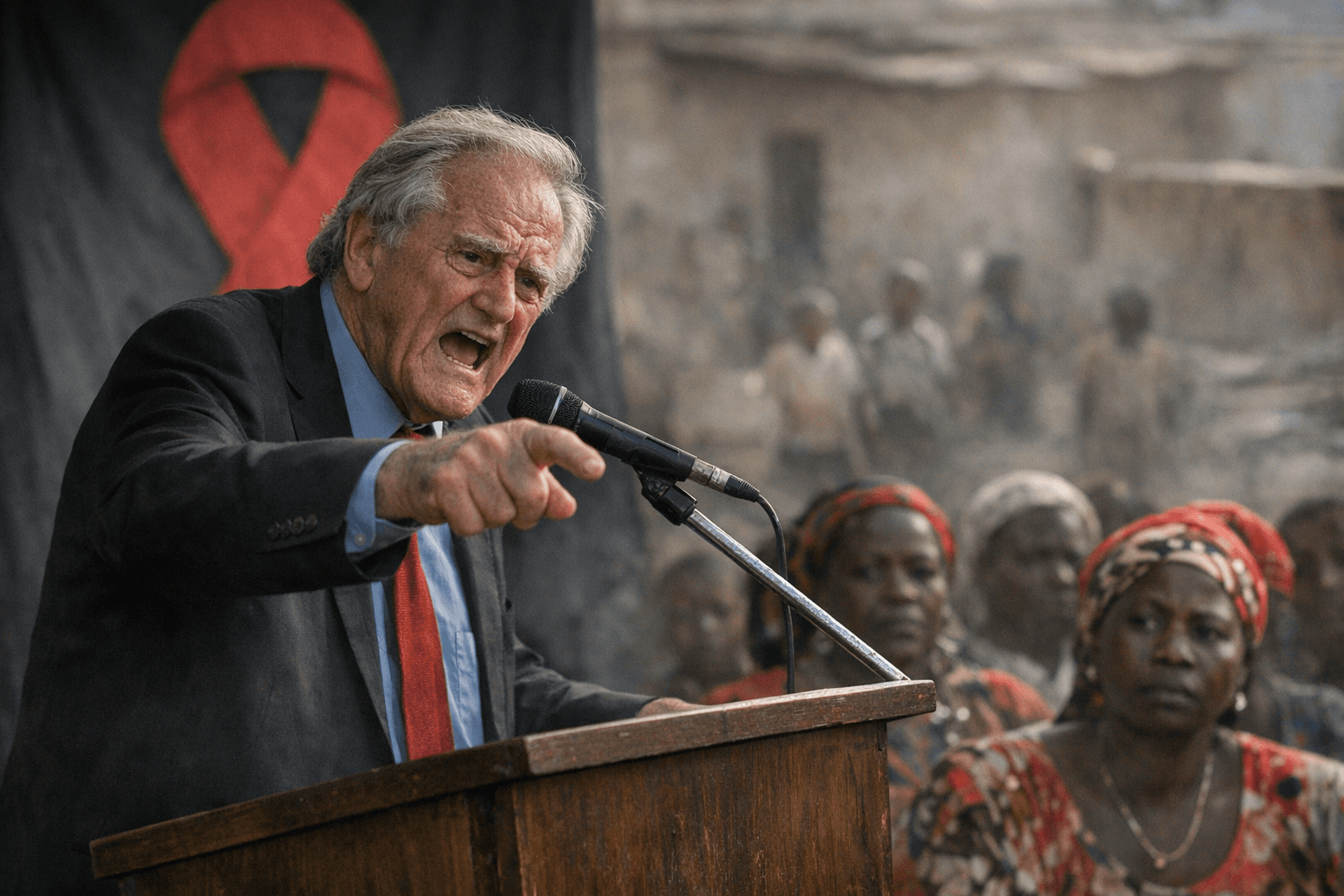
His cross-partisan credibility was striking. Conservative Prime Minister Brian Mulroney appointed him Canada's Ambassador to the United Nations in 1984, a post Lewis held until 1988. He returned to the UN system as Deputy Executive Director of UNICEF from 1995 to 1999. In May 2025, even as he managed his illness, Lewis was photographed standing for an hour at a Gaza protest in his former riding of Scarborough West.
The family's political arc continued in the days surrounding his death. His son, Avi Lewis, was elected leader of the federal NDP just two days before Stephen died. One tribute captured the bittersweet overlap directly: "Amidst the sorrow of his passing, I'm heartened that he lived long enough to see his son become leader of the NDP."
Ontario NDP leader Marit Stiles called Lewis "a giant in our movement." The federal party described him as "a titan." UNAIDS expressed deep sadness. Ontario Premier Doug Ford offered condolences. The breadth of those tributes, cutting across party lines and national borders, reflected the singular career Stephen Lewis built from moral fury turned into sustained institutional pressure.
This article was produced by Prism’s automated news system from verified source data, official records, and press releases, then run through automated quality and moderation checks before publishing. The system is built and supervised by the people who set the standards it runs under. Read our full AI policy.
Did this article answer your question?


