Steps for Frontline Associates After Injury, Near-Miss, or Fatality
If you’re a Home Depot frontline associate, prioritize immediate safety, document the scene, notify your manager and HR, and preserve records for workers’ comp or regulatory investigators.
1. Ensure immediate safety and call emergency services if needed
Stop ongoing hazards and move to a safe location when you can without putting yourself at further risk. For life‑threatening injuries or uncontrolled hazards, call 911 right away and tell emergency dispatch you are at a retail or distribution location; get clear directions from store leadership about closing off the area until first responders arrive. Frontline associates should treat stopping the hazard and protecting co‑workers as the first priority before paperwork or phones.
2. Provide or accept first aid and document who treated you
If qualified store responders or co‑workers administer first aid, make sure the responder’s name and the time of treatment are recorded in your notes. If you go to an urgent care, emergency room, or are evaluated by a company‑approved clinic, request copies of all intake forms, diagnosis, and treatment plans. Those medical records will form the baseline for any workers’ compensation claim and for safety reviews in a retail or distribution operation.
3. Notify your supervisor, store manager and any on‑site safety personnel immediately
Tell your direct supervisor and the store manager as soon as you are able; if you witness the event, report it to leadership before leaving the store or distribution center. Many incidents are escalated to on‑site safety coordinators or Loss Prevention, make sure you get the name and contact information of whoever accepts the report. If management asks you to complete an internal incident report, do so while details are fresh; declining to report can complicate future claims.
4. Preserve the scene and any equipment or packaging involved
Do not move, clean, or otherwise alter the area where the injury or near‑miss happened unless emergency containment is required. Photograph the scene from multiple angles (include clocks or time stamps), capture damaged equipment or signage, and keep any broken tools, guardrails, or protective gear in a secured place. Preserving evidence helps internal safety teams and outside investigators, especially in serious injuries or fatalities, reconstruct what happened.
5. Collect witness names, contact details and written statements
Ask co‑workers who saw the incident for full names, phone numbers, shift start/end times and brief written statements describing what they observed; get both managers’ and hourly associates’ accounts. If an incident or near‑miss appears on employee subreddit posts, internal messaging channels, or social media, preserve screenshots with timestamps and note the poster’s handle, that material is often used later in investigations or legal reviews. Encourage witnesses to submit statements to the store safety lead so there is an official record.
6. Report the injury or near‑miss through official internal channels
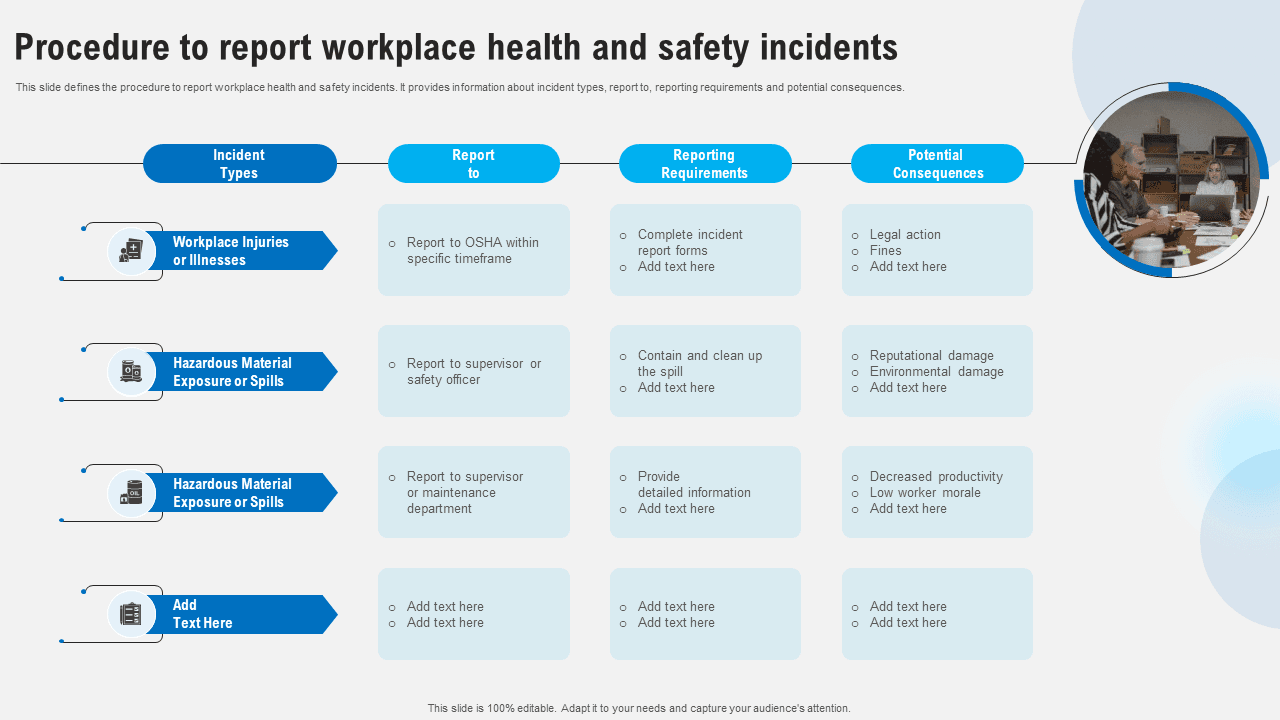
Follow Home Depot’s internal reporting steps for injuries and near‑misses: tell your supervisor, complete any associate incident report form you are given, and confirm the report has been forwarded to store HR or corporate safety. Near‑miss reports are critical: documenting a near‑miss in the same way as an injury helps safety teams identify trends and implement fixes before someone is hurt. Keep copies or photos of every form you submit.
7. Seek medical follow‑up and keep a complete medical file
Even if you initially decline transport, schedule a medical evaluation within hours or days to document symptoms and obtain an official diagnosis if you develop pain later. Retain copies of all bills, provider names, prescribed work restrictions, and return‑to‑work notes; these records are essential for workers’ compensation claims, return‑to‑work plans, and any regulatory inquiries. Note each visit with date, time, clinician name, and what was done or prescribed.
8. File a workers’ compensation claim and track the claim number
Report the injury to your employer’s workers’ compensation contact as required by store procedures and request the claim number and claim handler name in writing. Keep a personal folder with the claim number, medical documentation, pay stubs showing lost time, and any communications from employer or insurer; those documents are the core evidence if benefits are delayed or contested. If you belong to a union or have a representative, notify them immediately so they can advise on the claim process.

9. Understand when external agencies may become involved
Serious injuries and all workplace fatalities typically trigger external reviews by law enforcement and occupational safety regulators; expect outside investigators to request preserved evidence and witness interviews. If the incident leads to allegations about labor practices, organizing, or retaliation, filings with agencies such as the NLRB or state labor boards may follow, preserve communications and avoid deleting texts or messages. Regulatory investigators will want timelines, training records, equipment maintenance logs, and internal incident reports, so gather those materials proactively.
10. Cooperate with internal and external investigations while protecting your rights
Answer factual questions from investigators and your employer but avoid speculating about causes or assigning blame; provide the dates, times, names, and sequence of events you observed. If you feel pressured to change or withdraw your statement, note who asked and when, and escalate to HR, your store manager, a union rep, or legal counsel as appropriate. Keep copies of every interview request and a log of every person you speak with about the incident.
11. Preserve pay, scheduling, and communication records related to the incident
Keep a personal record of your timecards, schedules, and any communications (texts, emails, messages) about medical leave, light duty, or schedule changes after the incident. If your pay changes because of lost time, document paystubs and any employer notices about benefits or disciplinary actions; those records are central to disputes about wage replacement and retaliation. Digital screenshots with visible timestamps are acceptable backups to paper records.
12. Use available support resources and plan your return to work
Ask about Employee Assistance Programs, HR or union supports for counseling and practical help after a traumatic injury or fatality in the workplace. When cleared to return, get written work‑restriction notes and a clear, documented plan for transitional duties or accommodations; a written return‑to‑work plan protects both you and the company by setting expectations. Follow up with your manager and HR in writing to confirm your accommodations and any temporary schedule changes.
13. Report near‑misses and safety hazards even when no one is injured
If the event was a near‑miss, file the same internal report and gather the same evidence as you would for an injury: photos, witness statements, and a description of what almost went wrong. Near‑miss data is the fastest route to preventing repeat incidents in retail and distribution environments and is often used by store safety teams to drive corrective action. Regular near‑miss reporting by frontline associates is one of the most effective ways to reduce injuries across stores and DCs.
Conclusion Frontline associates at Home Depot working in stores and distribution centers should treat health and safety as the immediate priority, then build a clear, written record: emergency response, medical evaluation, preserved evidence, witness statements, internal reports, and workers’ compensation documentation. As of Feb 22, 2026, keeping thorough, dated records and notifying the right people, supervisor, HR, safety lead, and, where applicable, union or legal counsel, will make the difference between swift care and prolonged disputes, and will help protect you and your coworkers from future incidents.
Know something we missed? Have a correction or additional information?
Submit a Tip