Stock futures fall as tech rout deepens before SpaceX IPO
Nasdaq futures slipped 0.2% after Friday’s tech rout as oil jumped and investors braced for SpaceX’s $1.77 trillion IPO.
Stock futures pointed lower as the tech selloff that hit Wall Street late last week carried into the new session, with Nasdaq-100 futures down 0.2% after the benchmark’s biggest drop since April 2025. The move came as investors digested a strong jobs report that pushed up expectations for a Federal Reserve rate hike and a jump in oil after Iran fired missiles at Israel, a combination that revived fears about both growth stocks and geopolitics.
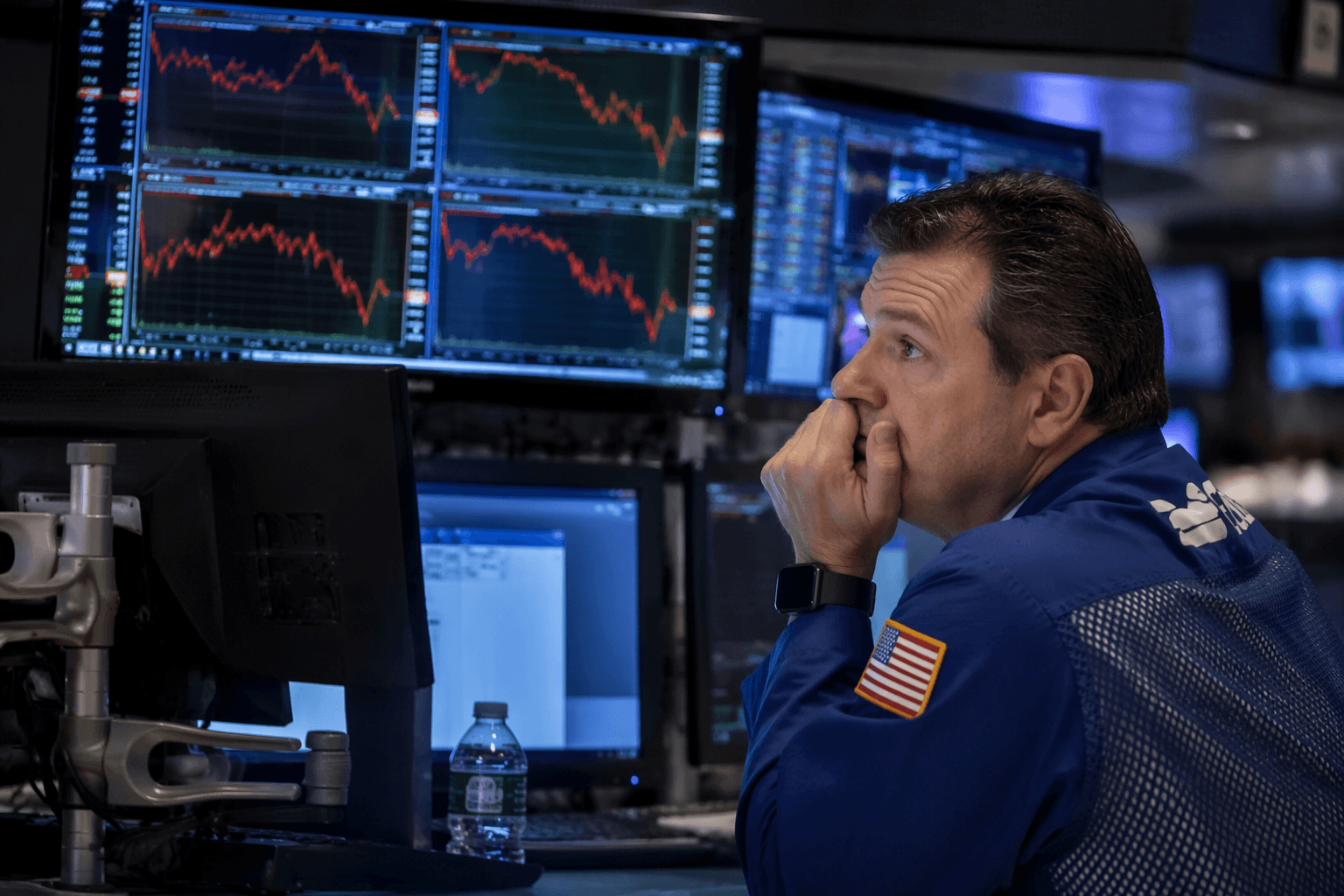
The latest pullback followed a violent rotation out of the market’s most crowded winners. On June 4, the Nasdaq 100 fell 5% in an AI-led rout as yields climbed, halting Wall Street’s rally and underscoring how sensitive the sector has become to higher borrowing costs. Even so, the iShares Semiconductor ETF was still up 79% for the year, a sign that the selloff has come after a massive run rather than after a broad collapse in chip and AI enthusiasm.
The whiplash was already visible in the prior session. On June 3, the Dow Jones Industrial Average closed at a record 51,561.93, up 874.86 points, while the Nasdaq Composite slipped 0.09% to 26,830.96 and the S&P 500 added 0.41% to 7,584.31. That split screen showed money moving away from megacap technology and into more cyclical parts of the market even before the latest rush to the exits.
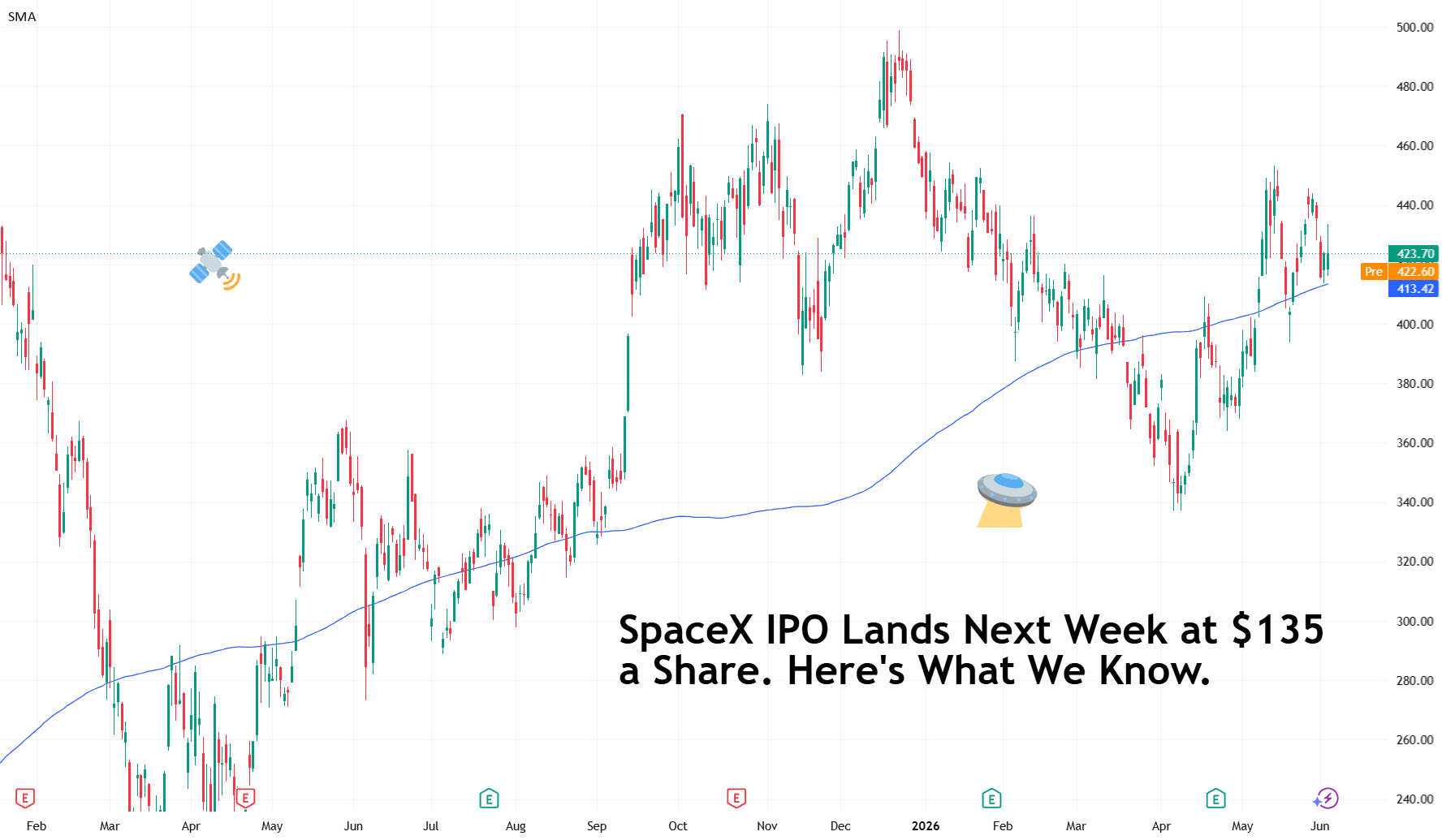
SpaceX has added another layer of tension. CNBC reported that the company is expected to go public next week in what could be the largest IPO ever, with a valuation of $1.77 trillion. The listing has fueled excitement about the durability of the space, defense and artificial intelligence trade, but it has also intensified talk that some investors are chasing an expensive late-stage narrative just as rates, oil and geopolitical risk are moving against them.

Morningstar offered a sharper warning on valuation, putting SpaceX at $780 billion, about 48% below its private-market valuation of $1.5 trillion. Its analysts said the IPO does not look like the best entry point for retail investors. That gap between headline enthusiasm and fundamental caution captures the mood on Wall Street right now: not panic, but a clear repricing of how much investors are willing to pay for concentrated tech growth in a less forgiving macro and geopolitical climate.
This article was produced by Prism’s automated news system from verified source data, official records, and press releases, then run through automated quality and moderation checks before publishing. The system is built and supervised by the people who set the standards it runs under. Read our full AI policy.
Did this article answer your question?