Stock futures rise as traders watch Iran tensions, jobs report ahead
Futures edged up as Wall Street balanced U.S.-Iran fighting with an April jobs report that could reshape recession bets and borrowing costs.

Traders were buying time before the jobs report, and buying it against a Middle East escalation that could ripple from oil to retirement accounts. U.S. stock futures rose early Friday as investors watched developments between the United States and Iran and waited for the April employment numbers, a pairing that has turned geopolitics and the labor market into one trade.
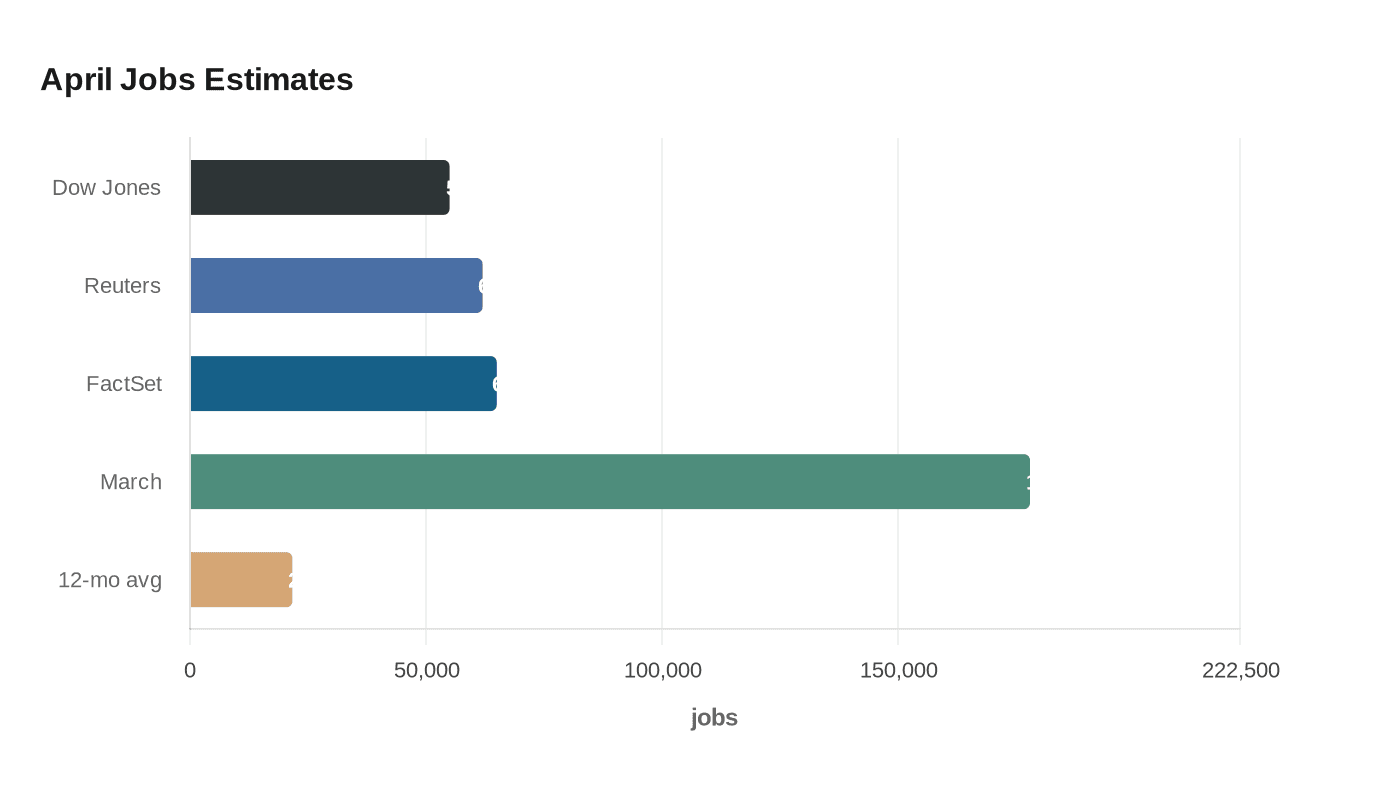
The labor data looms large because it comes at a moment when job growth is already cooling. Economists surveyed by Dow Jones expected only 55,000 jobs were added in April, with unemployment holding at 4.3%. Reuters put the consensus a bit higher, at about 62,000 new payrolls after March’s 178,000 increase, while FactSet’s median estimate was 65,000, still well below the trailing 12-month average of 21,700. The Bureau of Labor Statistics scheduled the release for 8:30 a.m. Eastern Time on Friday.

That is making the report more than a single data point. If hiring slows again while wages stay firm, the Federal Reserve could face a harder choice between supporting growth and keeping inflation contained, especially if higher oil prices from the latest Iran flare-up feed through to gasoline and shipping costs. Reuters said the report could reinforce expectations that the Fed keeps rates unchanged into 2027 if wage growth picks up, a sign that borrowing costs for mortgages, auto loans and business credit could stay elevated longer than Wall Street had hoped.
The geopolitical backdrop has added another layer of stress. Reuters said the United States and Iran exchanged fire around the Strait of Hormuz, putting a fragile ceasefire in doubt. That waterway is critical to global oil flows, so every escalation raises the risk that energy prices jump again and act like a tax on consumers. CNBC previously reported that Iran had agreed to allow safe passage through the strait during the ceasefire before the latest round of fighting.
Markets have already shown how sensitive they are to that risk. The S&P 500 closed at 7,337.11 on Thursday after briefly touching an intraday record, while the Nasdaq Composite finished at 25,806.20. Earlier in the week, the Dow fell 557.37 points, or 1.13%, as Middle East tensions lifted oil prices. For 401(k) holders, the immediate question is whether the conflict remains a temporary shock or becomes a broader economic threat. If investors decide it is the latter, volatility could linger, recession odds could rise, and the market’s current optimism could fade fast.
This article was produced by Prism’s automated news system from verified source data, official records, and press releases, then run through automated quality and moderation checks before publishing. The system is built and supervised by the people who set the standards it runs under. Read our full AI policy.
Did this article answer your question?

