Stocks rebound to records after war shock, but risks linger
The S&P 500 is back near a record after the Iran shock, but the rebound favors pension savers far more than retirees or traders.

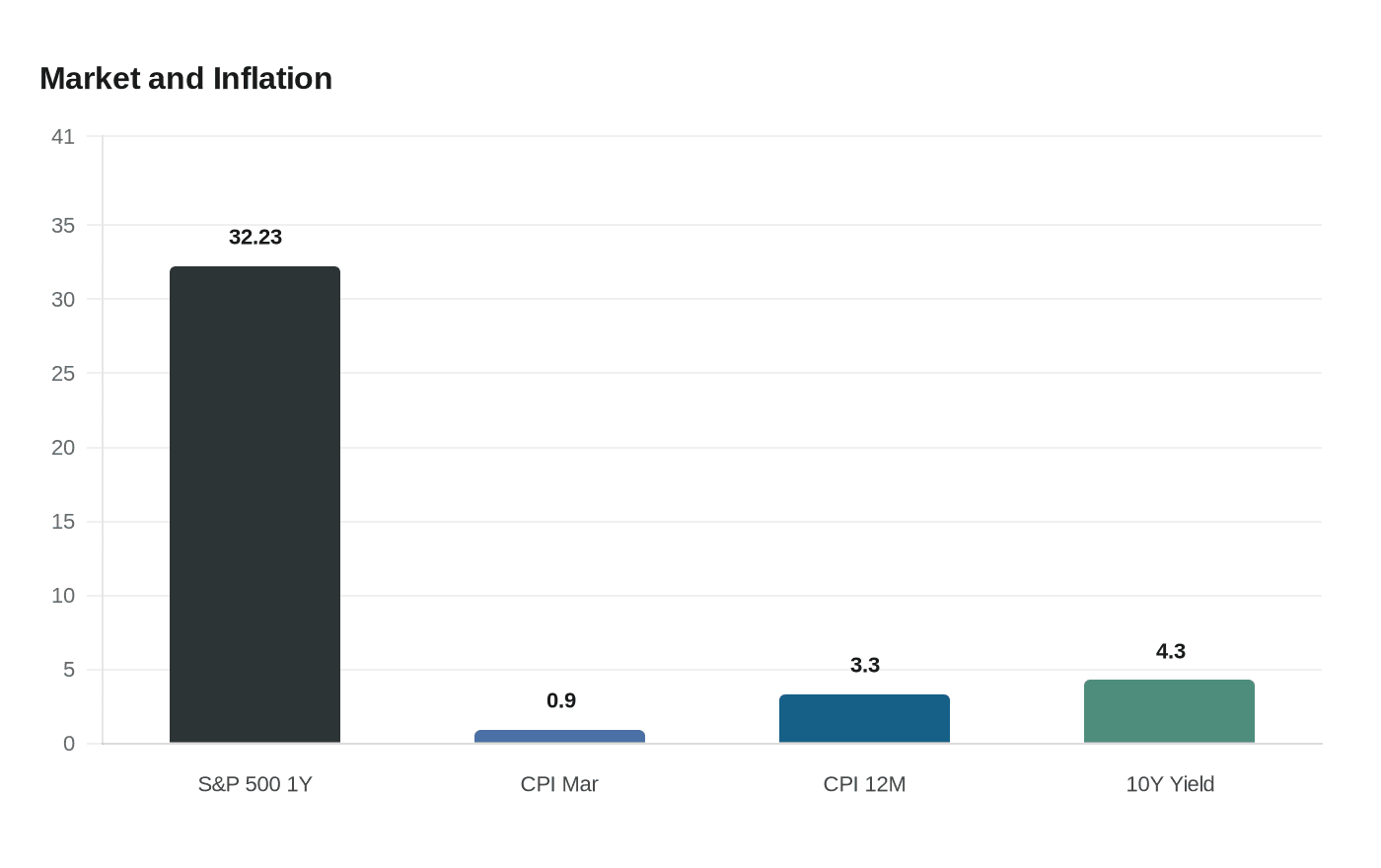
The S&P 500 has already clawed back to a record high after the shock from the U.S.-Israeli war on Iran, but the rebound says more about investor time horizon than about safety. By April 23, the index stood at 7,108.40, up 32.23% over the past year and only a step below its 52-week high of 7,147.78, even after markets were jolted by a surge in oil prices and a brief selloff in risk assets.
That recovery makes the old advice to ignore the war look persuasive, but only for investors who can truly wait. Pension savers with decades ahead of them have the most room to ride out geopolitics, because long-run equity research from the CFA Institute and other studies still shows that patient investors have historically been rewarded. The famous long-run stock-return case has been criticized and updated in recent scholarship, yet the larger point remains: over multi-decade horizons, stocks have tended to rise despite repeated shocks.

The advice works less well for retirees and short-term traders. Retirees drawing income cannot easily shrug off a sudden drop in account value, because they may need to sell assets to meet monthly expenses. Traders face a different problem: war-driven moves in oil, yields and equities can overwhelm earnings narratives over days or weeks. The market’s jump back to records by April 10 reflected a bet that the conflict would end quickly and that Wall Street profits would stay strong, not a belief that the risks had disappeared.
Those risks are still showing up in the macro data. Federal Reserve Governor Christopher Waller said on April 17 that continuing conflict and higher energy prices could reduce consumer spending through higher prices, lower stock-market wealth and weaker confidence. The U.S. Bureau of Labor Statistics said the Consumer Price Index rose 0.9% in March and 3.3% over the prior 12 months, with gasoline accounting for nearly three-quarters of the monthly increase. Even Treasuries have not provided complete shelter, with the 10-year U.S. Treasury yield around 4.30% on April 22.
That is the real test of the ignore-the-war strategy. It works best for investors with time, regular contributions and no immediate cash needs. It fails fastest when the conflict feeds into inflation, consumer behavior and energy costs, or when a portfolio has to absorb the shock before it has time to recover.
This article was produced by Prism’s automated news system from verified source data, official records, and press releases, then run through automated quality and moderation checks before publishing. The system is built and supervised by the people who set the standards it runs under. Read our full AI policy.
Did this article answer your question?

