Storm Jangmi lashes Japan, cuts power, halts travel and flights
Power outages hit nearly 60,000 homes as Jangmi grounded 900 flights, suspended rail and forced factory stoppages across Japan.
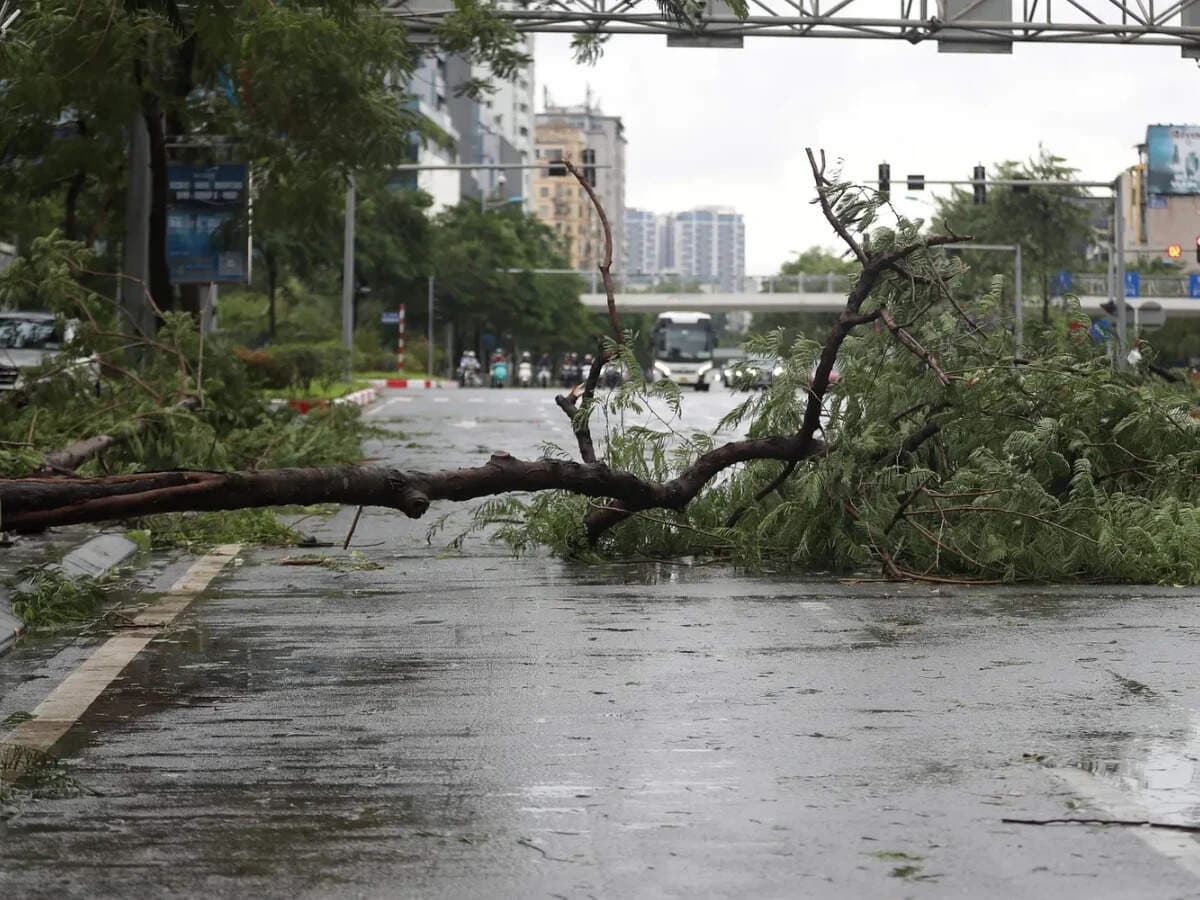
Storm Jangmi cut electricity to nearly 60,000 households and rippled through Japan’s transport and manufacturing systems, turning a single morning of severe weather into a nationwide disruption. Airlines canceled nearly 900 domestic and international flights, rail operators slowed or suspended bullet train and commuter service, and two major automakers halted production as the storm moved toward the country’s most populated corridor.
The Japan Meteorological Agency classified Jangmi as a severe tropical storm with maximum sustained winds of 25 meters per second and gusts of 35 meters per second. At 06 JST, the agency placed its center at 33.9N, 136.3E, moving east-northeast at 45 km/h off the Pacific side of Honshu, with a forecast to become an extratropical low by June 5. The agency warned that dangerous rain, strong winds and high waves could continue even after the system weakened.

The storm drove evacuation advisories for hundreds of thousands of residents across eight prefectures in southwestern, central and eastern Japan. Heavy rain warnings stretched from Kyushu to the Kanto region, including Tokyo, where the storm threatened to snarl commuting, logistics and emergency response in one of the world’s largest urban economies. Government spokesperson Minoru Kihara said the blackout had spread to nearly 60,000 homes and urged people to move early if they sensed danger, a reminder that minutes can matter when rain bands and wind fields shift quickly across densely populated areas.
The disruptions reached deep into the industrial base. Japan Airlines and All Nippon Airways canceled flights en masse in a single morning, while East Japan Railway warned that more delays and suspensions could follow as conditions worsened through the day. Toyota planned to suspend operations at 13 domestic plants, and Suzuki stopped work at all five of its plants in Shizuoka Prefecture, east of Tokyo. The shutdowns showed how quickly a storm can freeze the tightly linked networks that move workers, parts and finished goods across Japan.

Jangmi had already caused damage farther south. In Okinawa Prefecture, local tallies cited at least 16 minor injuries from falls and shattered car windows, while earlier reports said about 17,000 households in Okinawa and more than 30,000 in the Kagoshima region lost power. Warmer-than-average sea temperatures, about 1 to 2 degrees higher than normal, helped the storm maintain strength as it tracked north, underscoring how hotter waters are feeding more persistent weather hazards and testing whether Japan’s infrastructure and emergency systems can keep pace.
This article was produced by Prism’s automated news system from verified source data, official records, and press releases, then run through automated quality and moderation checks before publishing. The system is built and supervised by the people who set the standards it runs under. Read our full AI policy.
Did this article answer your question?


