Strait of Hormuz closure drives global oil shock, hits developing nations hardest
Oil through Hormuz has fallen from 20 million barrels a day to a trickle, pushing up food, fuel and debt costs far beyond the Gulf.

A prolonged shutdown of the Strait of Hormuz is no longer just a regional war problem. It has become a global shock that starts with energy flows, then runs through shipping, factory inputs, food bills, layoffs and slower growth, with the heaviest burden falling on poorer countries that import most of their fuel and food.
Under normal conditions, about 20 million barrels of oil a day, roughly 20% of global petroleum liquids consumption, moves through the waterway. Since the outbreak of military conflict on Feb. 28, 2026, crude and product flows have plunged from around that level to a trickle, and the International Energy Agency said the war created the largest supply disruption in the history of the global oil market. The agency also said Gulf countries cut total oil production by at least 10 million barrels a day.
The economic damage is spreading well beyond the Gulf itself. The bulk of oil leaving Hormuz normally goes to Asian importers, especially China, India and Japan, which means the immediate pain is landing on energy-intensive economies far from the battlefield. The World Bank called the war a historic shock to commodity markets and projected average commodity prices would rise 16% in 2026 if disruptions eased only gradually. It forecast energy prices alone would jump 24% this year, the biggest annual increase since Russia’s invasion of Ukraine in 2022.
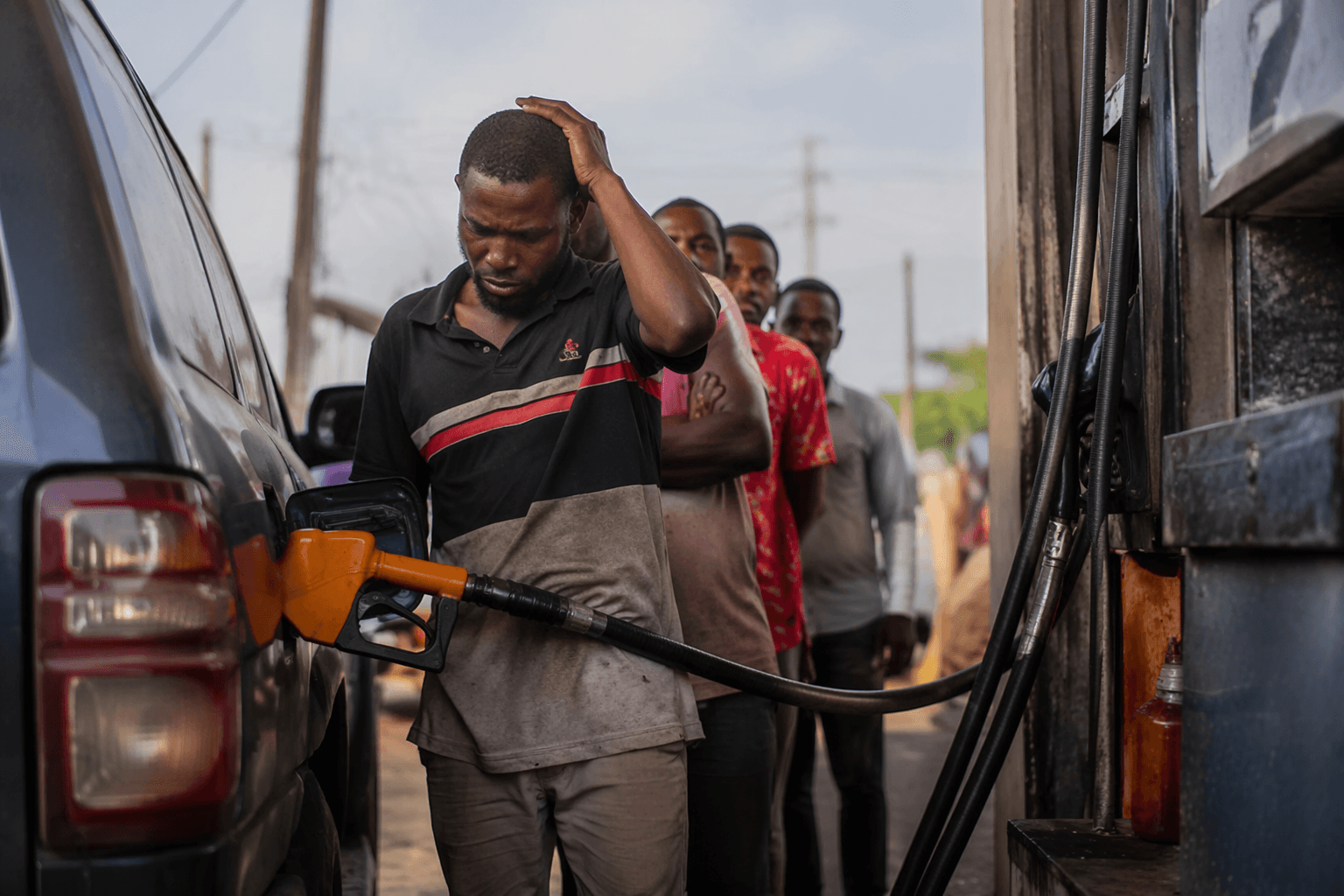
UN Trade and Development said the strait remains virtually closed and warned that the shock is feeding through the global economy by raising prices and financial pressure on developing countries. Falling stock prices, weaker currencies and higher external debt costs are expected to hit those countries hardest, especially those already stretched by food and fuel imports. The United Nations has described the crisis as a jobs and cost-of-living emergency, as higher oil and gas prices act like a sudden tax on households, transport systems and businesses.
The pressure is now reaching kitchens, ports and paychecks. The Food and Agriculture Organization warned that this is not a temporary shipping disruption but the start of a systemic agrifood shock that could trigger a severe global food price crisis within six to 12 months. The agency urged governments and food industry leaders to keep humanitarian flows moving, avoid export restrictions and build buffers against higher transport and input costs. The Kiel Institute has said the disruption is cascading through chemicals and fertilizers into food systems, deepening food-security risks for developing economies.

The human toll also includes the region’s millions of migrant workers from Asia and more than 20,000 seafarers reported stranded on commercial ships in the Gulf. As instability around Hormuz drags on, the crisis is becoming a benchmark for how a single chokepoint can turn a military confrontation into a global inequality shock, with fuel-importing and debt-burdened nations left to absorb the sharpest blows.
This article was produced by Prism’s automated news system from verified source data, official records, and press releases, then run through automated quality and moderation checks before publishing. The system is built and supervised by the people who set the standards it runs under. Read our full AI policy.
Did this article answer your question?


