Strait of Hormuz shipping rebounds, then attack renews tension
A strike on the Ever Lovely halted U.N. escort operations just as Hormuz traffic hit its highest weekly level since the war began, exposing how fragile the rebound was.
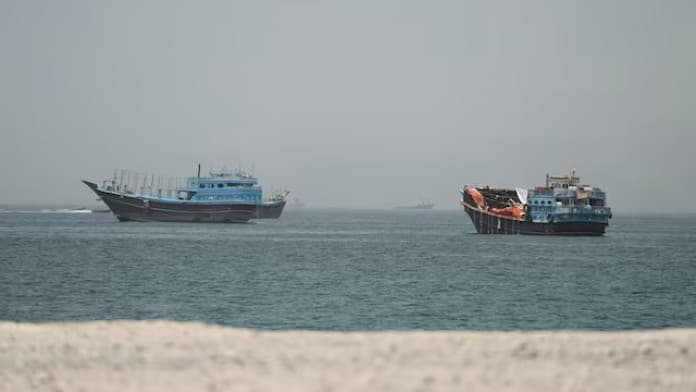
The first cargo-ship attack since the ceasefire hit the Ever Lovely off the Omani coast and forced the International Maritime Organization to pause its escort and evacuation operation through the Strait of Hormuz. The Islamic Revolutionary Guard Corps carried out the strike, which hit the Singapore-flagged Evergreen container ship on its starboard side.
The attack landed after shipping through the strait had begun to recover. CNBC data put the total at 125 transits from June 15 to June 21, the highest weekly total since the war began in late February, and AXS Marine data put the June 24 total at 62 commercial vessel crossings, the strongest single-day tally since the fighting started. Even that rebound was still only 53% of the traffic seen on the same day a year earlier.
Iran’s Revolutionary Guard warned that vessels not using its approved northern route would not be guaranteed safe passage, while the United States and Oman backed a separate southern corridor with Omani navigational guidance and U.S. Navy oversight. Shipping stalled over the weekend after Iran said the waterway was closed again. At least 20 tankers transited the strait on June 19, the highest level since June 2, in Kpler data.
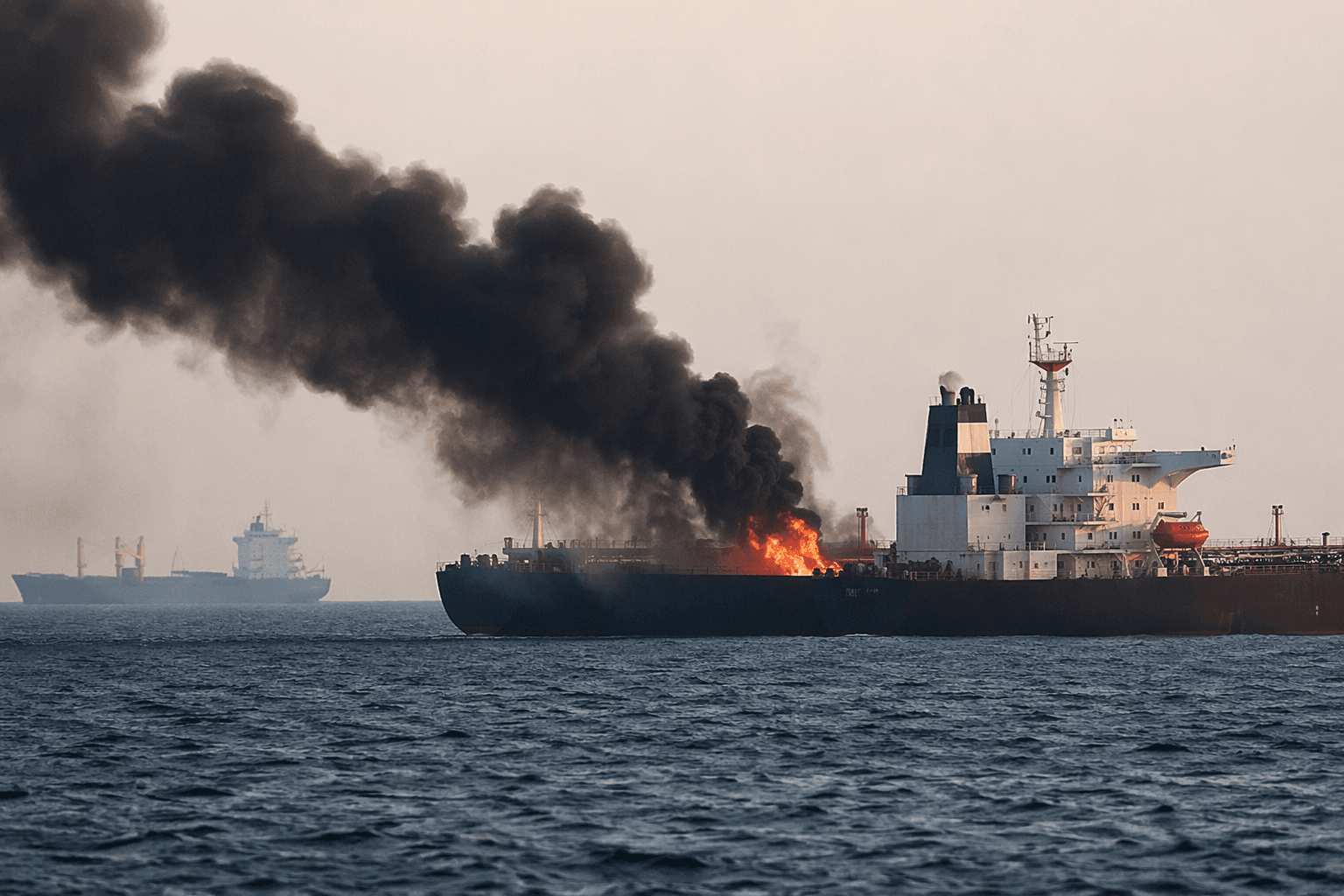
The Strait of Hormuz normally handles about a fifth of the world’s daily oil and liquefied natural gas shipments, and before the war began 120 to 140 ships crossed each day, carrying about 20 million barrels of oil. The IMO paused its operation while it worked to reconfirm safety guarantees for ships on its evacuation list and others in the region, where more than 500 commercial vessels and about 11,000 seafarers remain stuck in the Gulf.
This article was produced by Prism’s automated news system from verified source data, official records, and press releases, then run through automated quality and moderation checks before publishing. The system is built and supervised by the people who set the standards it runs under. Read our full AI policy.
Did this article answer your question?