Strait of Hormuz shutdown disrupts global oil and gas shipments
Hormuz’s shutdown has pulled nearly 20% of global oil off the market, jolting crude by about $3 a barrel and rattling gas, shipping and airline costs.
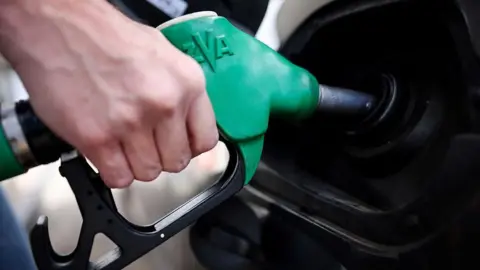
Crude markets snapped higher after Donald Trump rejected Iran’s reply to a U.S. peace proposal, but the deeper economic danger lies in the Strait of Hormuz staying effectively shut. The chokepoint normally carries about one-fifth of the world’s oil and gas supply, and the International Energy Agency has described the closure that followed the outbreak of fighting with Iran on Feb. 28, 2026, as the largest oil supply disruption in history.
The immediate market move was sharp but limited: oil rose about $3 a barrel after the talks stalled. That kind of spike can wash through U.S. gasoline futures, airline fuel hedges and ocean freight rates within days, especially when hundreds of commercial vessels are stranded in the Persian Gulf and insurers are already wary of covering tankers. The U.S. briefly launched Project Freedom to guide ships through the strait, but the effort has been shadowed by Iran’s warning that escort operations would violate the ceasefire that began on April 8.
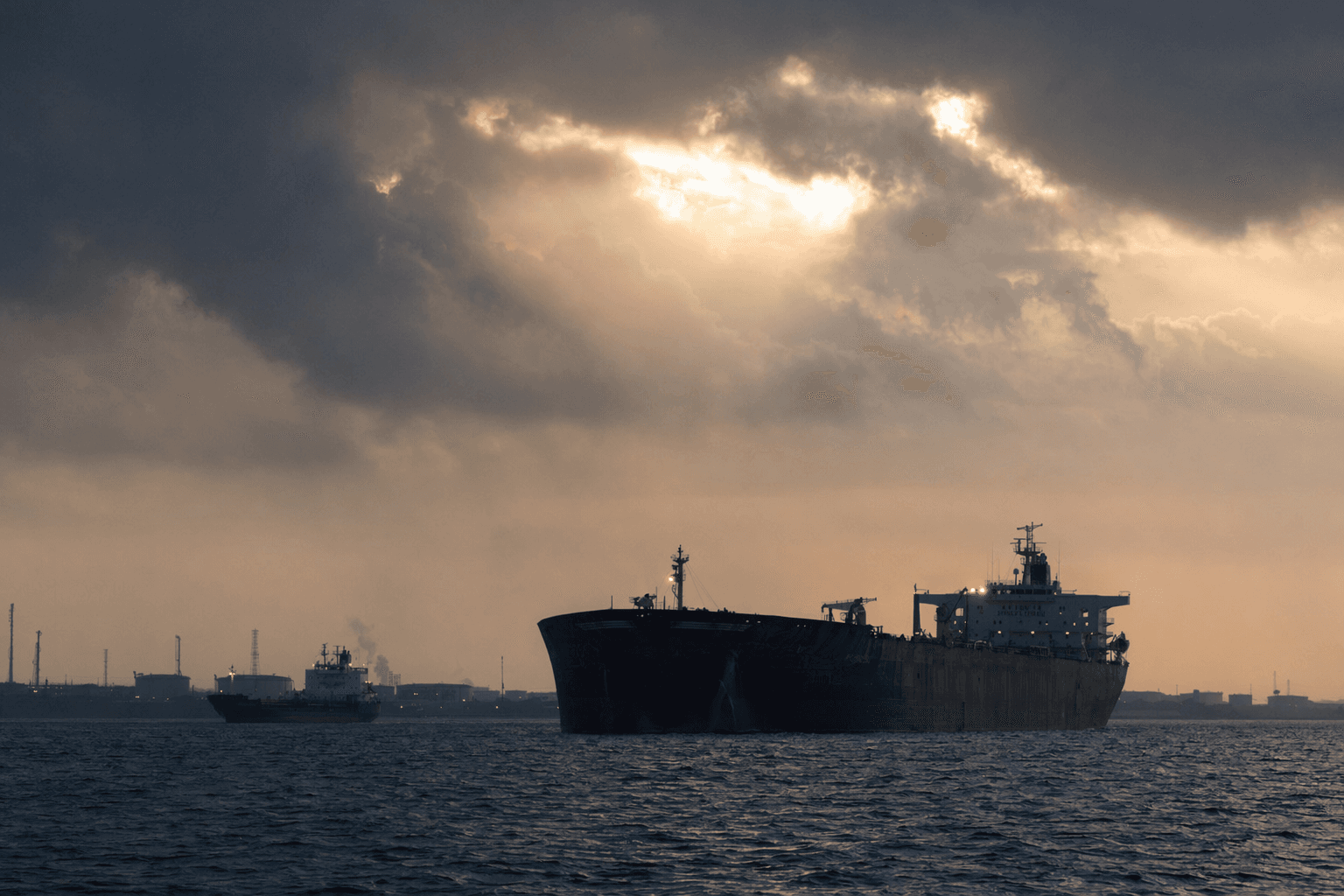
A short-lived price jump is not the same as a sustained energy shock. For that, the market would need a prolonged halt to Gulf exports, not just fear. A complete stoppage from the region would remove close to 20% of global oil supplies, and about 80% of that crude normally goes to Asia. Iraq, Kuwait and other Gulf producers have already been forced to curb output after storage filled up, while attacks on oil infrastructure in Saudi Arabia, Kuwait and the United Arab Emirates have widened the risk beyond the strait itself. QatarEnergy’s LNG carrier, Al Kharaitiyat, recently made it through to Pakistan’s Port Qasim, and a Panama-flagged bulk carrier bound for Brazil also transited a route designated by Iran’s armed forces, signs that some traffic is still moving even as the corridor remains highly constrained.
Trump’s rejection of Iran’s response sharpened the standoff. Iran had asked for compensation for war damage, an end to the U.S. naval blockade, guarantees against further attacks, sanctions relief and an end to the ban on Iranian oil sales, while Washington had wanted fighting to stop before broader talks on Iran’s nuclear program. Mohammad Bagher Ghalibaf mocked the negotiations, writing that “Operation Trust Me Bro failed,” a line that captured how little confidence remains on either side. The Dallas Federal Reserve has warned that the current disruption is three to five times larger than earlier geopolitical oil shocks in 1973, 1979, 1980 and 1990, a reminder that if the shutdown lingers, the first hit to fuel prices could turn into a broader inflation problem for airlines, shippers and households across the U.S.
This article was produced by Prism’s automated news system from verified source data, official records, and press releases, then run through automated quality and moderation checks before publishing. The system is built and supervised by the people who set the standards it runs under. Read our full AI policy.
Did this article answer your question?


