Strait of Hormuz traffic collapses as U.S. blockade and attack fears mount
A 21-mile chokepoint has nearly shut down, with traffic down more than 90% and war-risk insurance surging, threatening fuel costs far beyond the Gulf.

Gasoline, freight and insurance bills are all under pressure as traffic through the Strait of Hormuz has collapsed, turning a narrow lane off Iran into a global economic fault line. With the U.S. Navy intercepting ships tied to Iranian ports and other vessels refusing to enter the strait for fear of attack, the risk has spread quickly from the Gulf to American fuel prices, shipping costs and broader inflation.
The Strait of Hormuz is only about 21 miles wide at its narrowest point, with the navigable shipping lanes narrowed to roughly 2 miles in each direction. That makes it one of the world’s most vulnerable maritime chokepoints. Since late February, UK Maritime Trade Operations said at least 41 incidents had been reported affecting vessels in and around the Arabian Gulf, the Strait of Hormuz and the Gulf of Oman. The Royal Navy team monitoring the region said traffic through the strait had fallen by more than 90 percent, and more than two dozen ships had been damaged or suffered casualties while trying to pass.
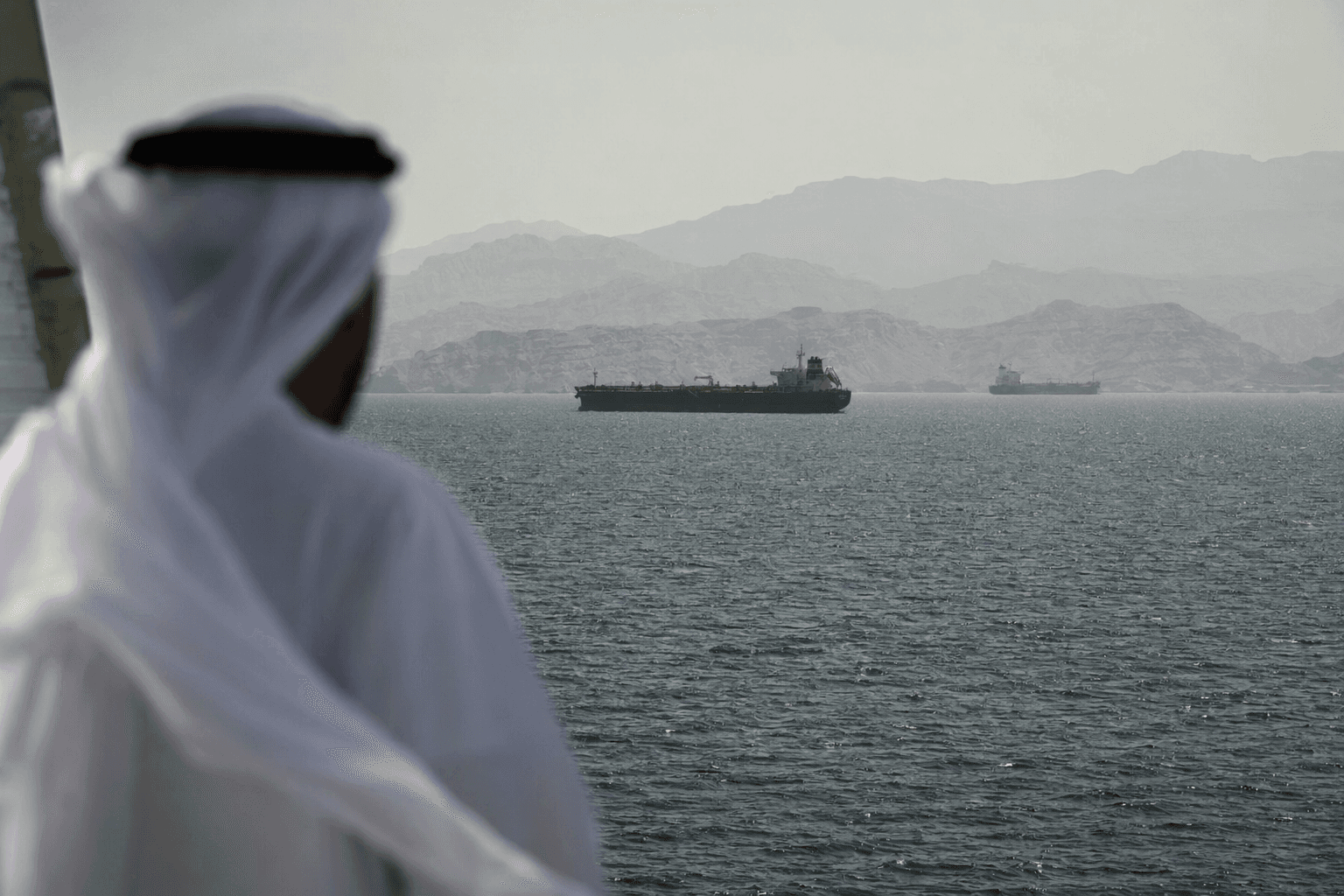
The United Nations maritime agency warned that around 800 ships and about 20,000 seafarers could be caught up in any evacuation scenario, while the UN said tens of thousands of mariners remained at sea and about 450 had already been assisted. Reuters reported on May 4 that even after President Donald Trump said the U.S. would move to free up shipping, there were no signs of a meaningful return to normal movement. Only one tanker, a sanctioned LPG carrier, a few cargo ships and a cable-laying vessel moved into the Gulf of Oman that day.
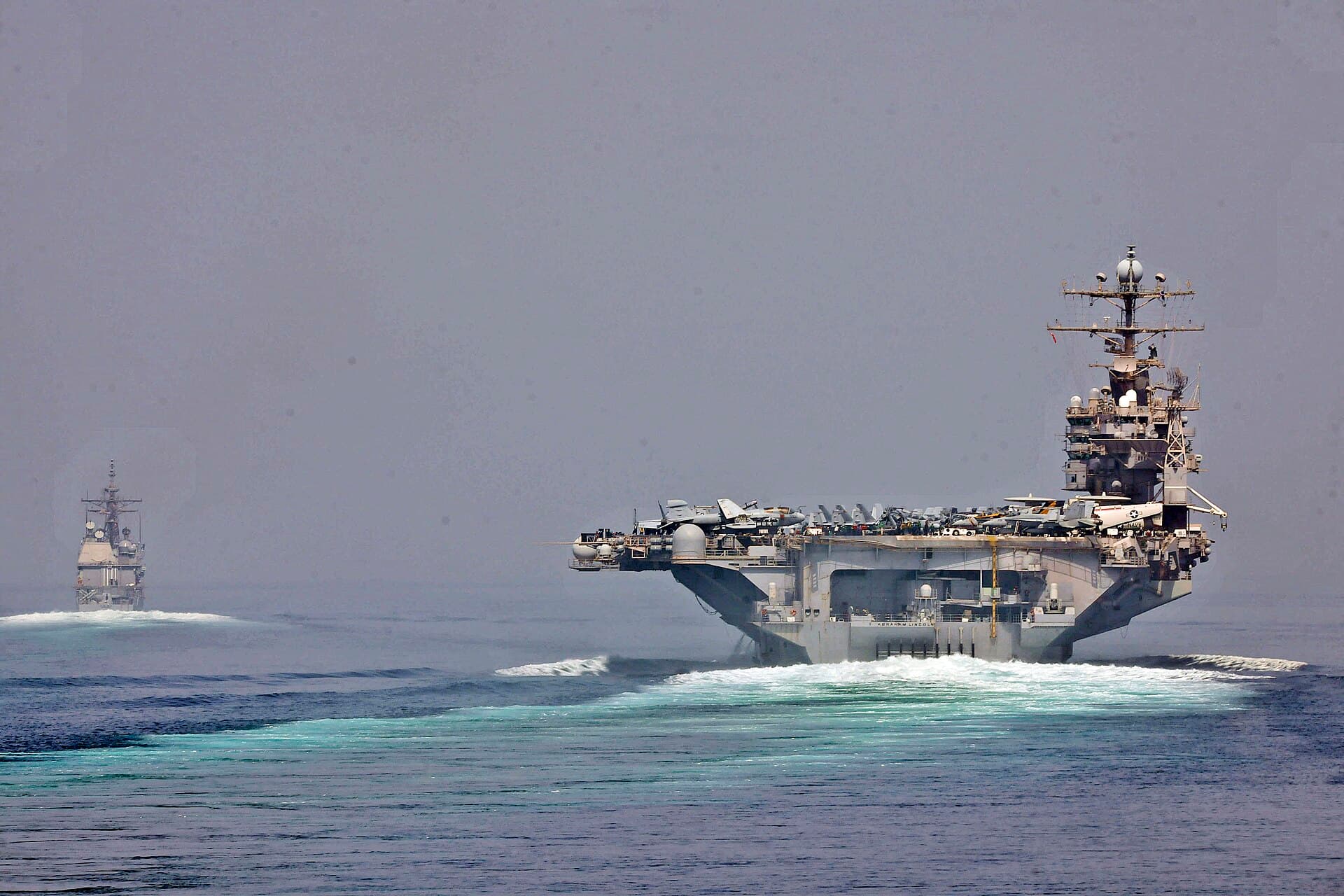
Shipping groups say the problem is not just fear, but the absence of a safe route. The Baltic and International Maritime Council said the industry had received no guidance on the U.S. operation and that it was unclear whether the Iranian threat could be reduced without Iran’s consent. In practice, that has left commercial traffic stranded, while the U.S. military said it intercepted Iranian attacks on three Navy ships in the Strait of Hormuz on May 7. The UN said Iran claimed it had hit a U.S. naval vessel, which the U.S. denied.
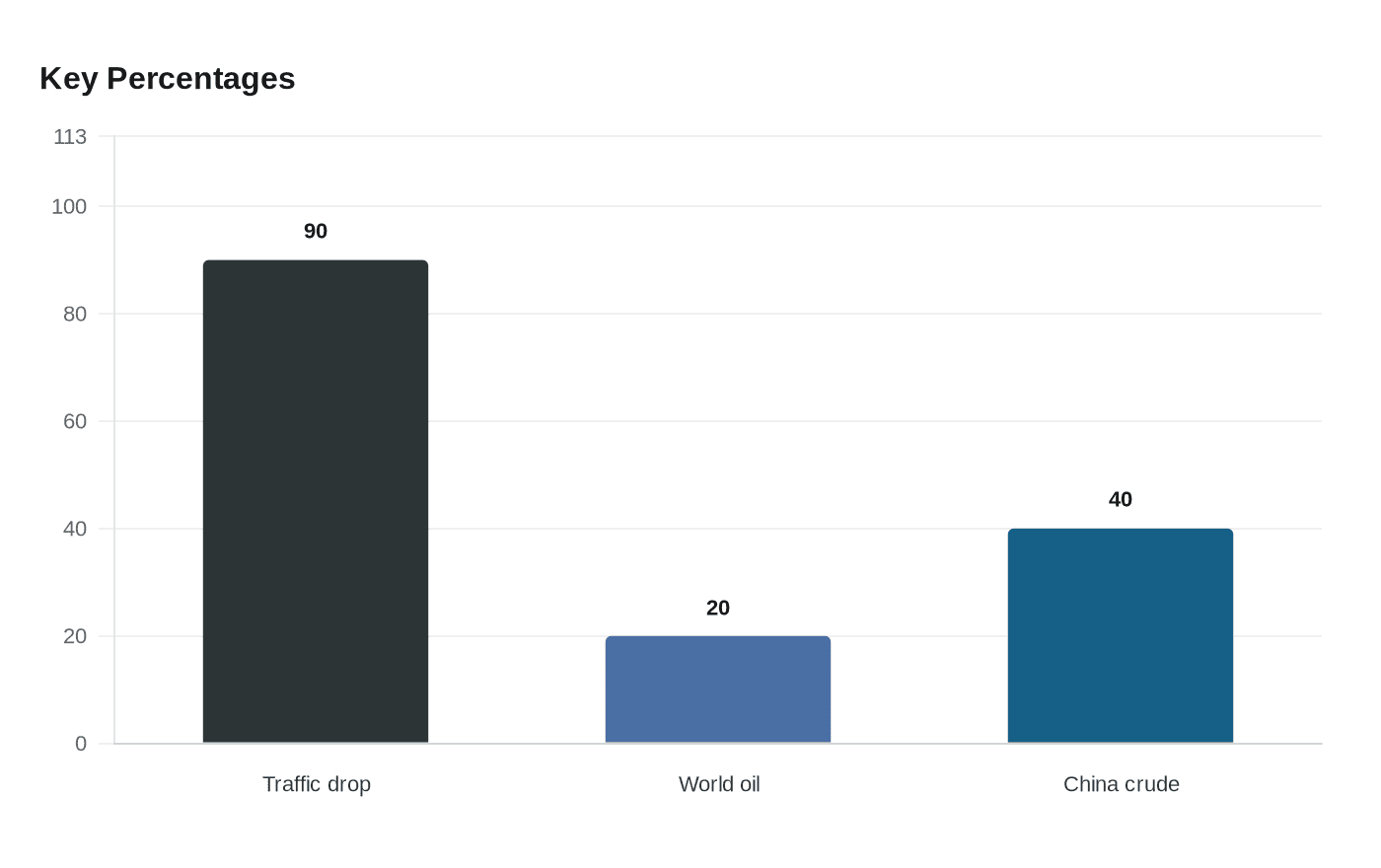
The economic fallout is already visible in marine insurance. Major insurers suspended or repriced war-risk coverage, and Lloyd’s expanded its high-risk designation to cover the entire Persian Gulf. That matters because roughly 20 percent of the world’s oil supply moves through the strait, including more than 40 percent of China’s crude oil imports, along with major LNG and cargo flows. As ships sit idle and insurers pull back, the pressure on fuel costs and shipping rates can reach U.S. consumers within days or weeks, while the military risk stays dangerously close to Bandar Abbas, Musandam and the waters off Oman.
This article was produced by Prism’s automated news system from verified source data, official records, and press releases, then run through automated quality and moderation checks before publishing. The system is built and supervised by the people who set the standards it runs under. Read our full AI policy.
Did this article answer your question?


