U.S.-Iran cease-fire strains as new attacks hit Strait of Hormuz
The cease-fire stayed on paper as new strikes hit the Strait of Hormuz, putting U.S. diplomacy, shipping security and oil markets under strain.
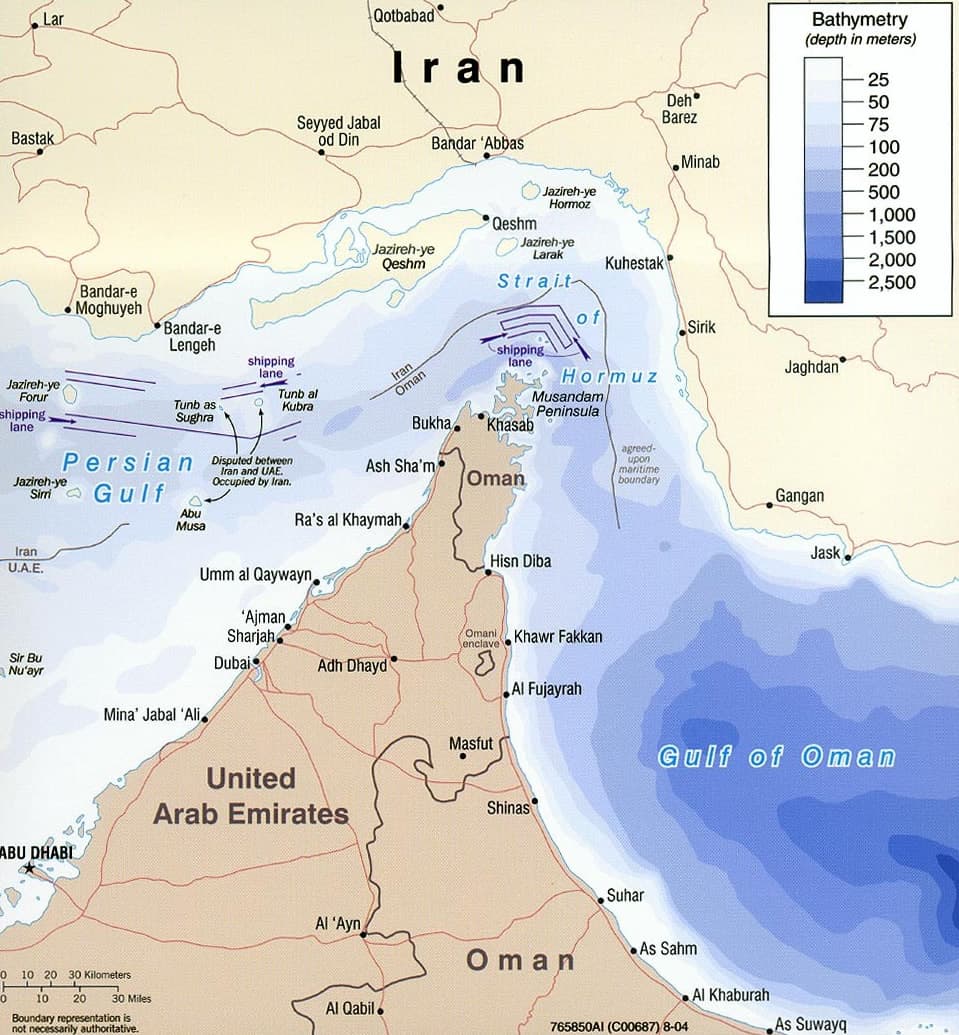
The U.S.-Iran cease-fire held in name only as the two sides traded new attacks around the Strait of Hormuz, the narrow passage that carries roughly one-fifth of the world’s oil and liquefied natural gas in peacetime. Washington said the four-week-old agreement was still in force, but the fighting tested whether negotiations were actually containing the conflict or simply running alongside it.
The latest violence came as Iran reviewed a U.S. peace proposal built around a hard tradeoff: Tehran would halt uranium enrichment for at least 12 years and surrender an estimated 440 kilograms of uranium enriched to 60 percent, while the other side would ease sanctions, release frozen Iranian assets and reopen the Strait of Hormuz within 30 days. Iran had already floated a different path through Pakistan, seeking to reopen the strait first and delay nuclear talks, a sign that the two sides remain divided over whether the cease-fire and the nuclear file can be separated.
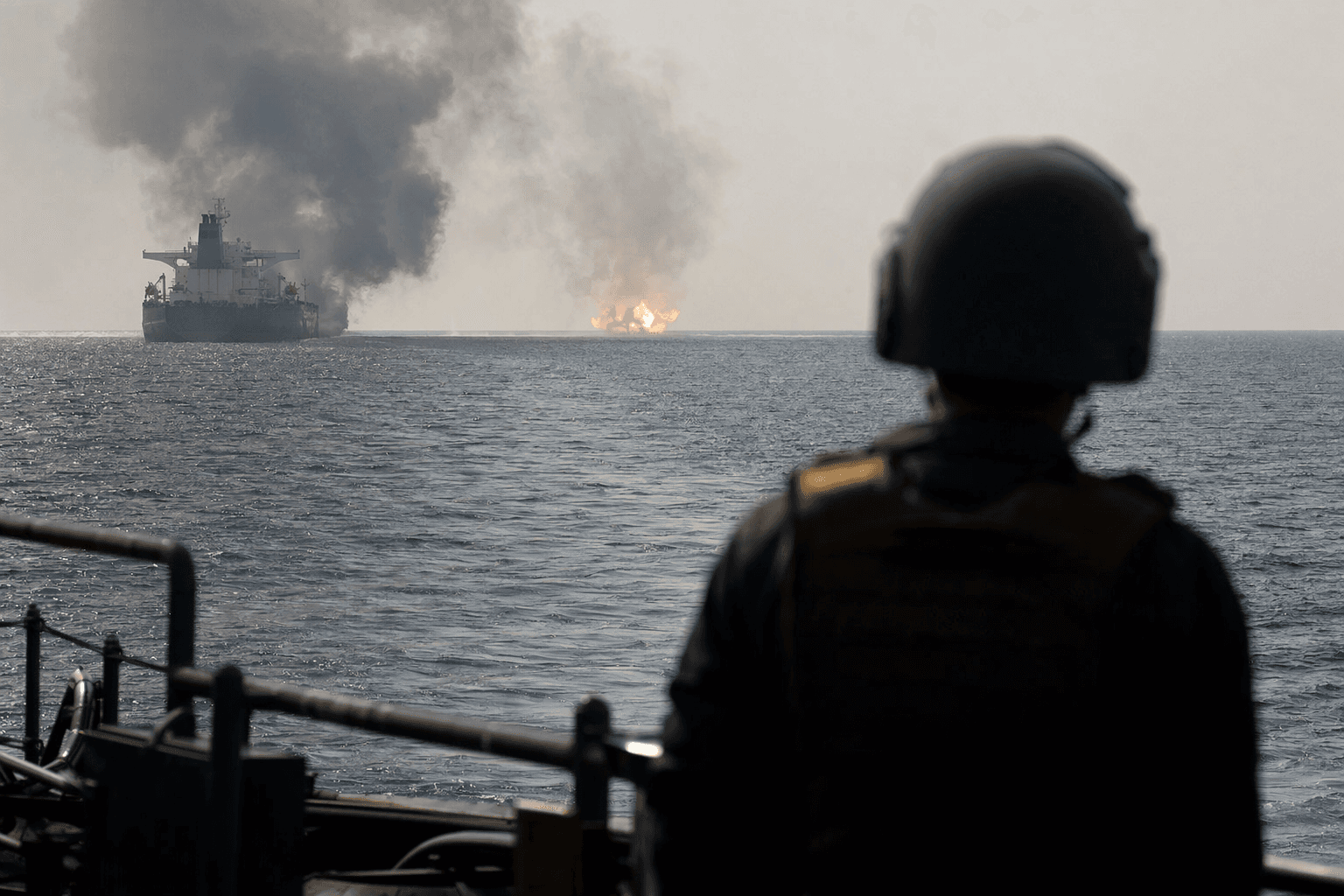
The military dimension has widened even as diplomats talk. The U.S. launched Project Freedom to guide commercial ships through the Strait of Hormuz, a move the Pentagon described as defensive and separate from the cease-fire. Iran warned that such a mission would violate the truce, underscoring how even convoy protection can be read in Tehran as escalation rather than restraint.
The risk is not confined to the waterway itself. Iran also launched missile attacks on the UAE, including an oil facility in Fujairah, pulling Abu Dhabi and the wider Gulf into a fresh layer of uncertainty. Any sustained disruption around Hormuz would threaten tanker traffic, raise shipping insurance costs and feed volatility into global energy prices at a time when markets are already sensitive to Middle East disruption.
The confrontation also sits inside a larger diplomatic rupture that began years ago. President Donald Trump withdrew from the 2015 Iran nuclear deal in 2018, and billions of dollars in Iranian assets remain frozen in foreign banks under sanctions. That history hangs over the current talks: Washington is trying to use limited relief to force new nuclear limits, while Tehran is pushing to relieve pressure first and settle the larger dispute later. For now, the cease-fire is real enough to keep negotiators talking, but not strong enough to stop the war from pressing outward through the Strait of Hormuz.
This article was produced by Prism’s automated news system from verified source data, official records, and press releases, then run through automated quality and moderation checks before publishing. The system is built and supervised by the people who set the standards it runs under. Read our full AI policy.
Did this article answer your question?


