Strong Offshore Quake Jolts Southern Philippines: Agencies Differ on Measurements
A strong earthquake struck offshore southern Mindanao on Jan. 7, 2026, rattling communities and prompting warnings of aftershocks even as initial assessments reported no widespread damage or casualties. Differing magnitude, depth and epicenter readings from major monitoring agencies underscored the challenge of rapid, real-time seismic reporting in a highly active tectonic zone.
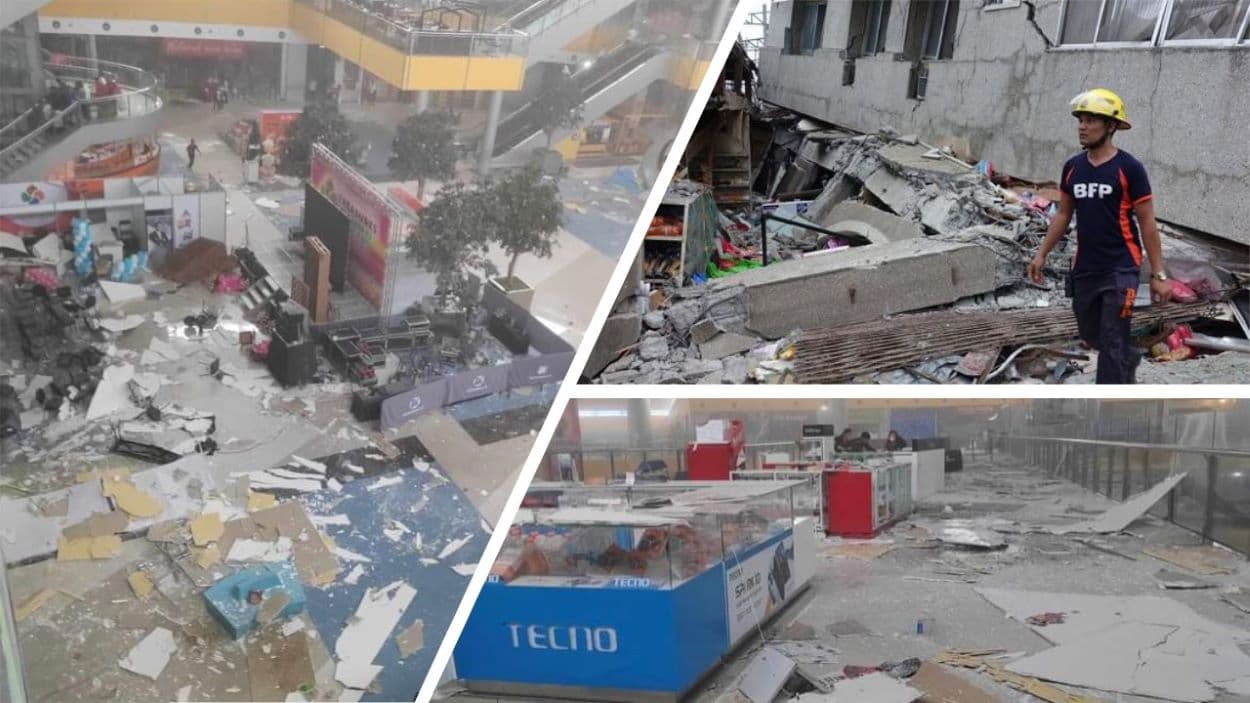
A strong earthquake has struck off the southern Philippines on Jan. 7, shaking parts of the island of Mindanao and prompting officials to warn of aftershocks and localised damage risks even as no widespread destruction has been reported. The event occurred at 11:02 a.m. local time, and emergency services in the provinces nearest the epicenters mobilised to check infrastructure and communities.
Seismological agencies released different early readings of the event. The U.S. Geological Survey (USGS) recorded a magnitude 6.7 quake at a shallow depth of 10 kilometres, placing the epicentre roughly 68 kilometres east of Baculin, a village in Hinatuan town in Surigao del Sur province. The USGS timestamp for the event was 3:02 a.m. GMT, corresponding to 11:02 a.m. Philippine time.
The Philippine Institute of Volcanology and Seismology (PHIVOLCS) issued its own measurements through local bulletins, reporting a revised magnitude of 6.4 and a focal depth of 23 kilometres, and warned that aftershocks could follow and that the shaking had the potential to cause damage, particularly in areas close to the epicentre. Some PHIVOLCS communiqués initially reported a magnitude of 6.7 before adjusting the figure as additional data were analysed.
Other seismic bulletins provided alternative parameters: a state-run overseas agency recorded the event as magnitude 6.7 at a depth of 42 kilometres, placing the epicentre about 47 kilometres from the coastal town of Manay in Davao Oriental. These differing readings reflect the routine variations that can appear between monitoring systems, methodology, and real-time automated estimates.
Local police and disaster-management officials in provinces near the quake's focal areas reported no immediate widespread damage or casualties as teams conducted rapid assessments. Municipal and provincial emergency units were active in coastal communities and towns cited near the epicentres, inspecting public buildings and key infrastructure. In parts of Davao Oriental, residents were seen leaving school buildings and gathering in open areas while authorities checked for structural damage and monitored the situation.

PHIVOLCS emphasised that aftershocks are likely in the hours and days following a quake of this size, advising residents and local authorities to exercise caution around unstable structures and to follow guidance from local disaster-response offices. The agency and other monitoring bodies continue to update parameters as seismic data are refined.
The Philippines sits along the Pacific Ring of Fire, a region of frequent earthquakes and volcanic activity driven by complex plate boundaries. That geological setting makes rapid but sometimes differing agency assessments a familiar feature of early earthquake reporting. For now, officials are focused on ground-level checks and collecting damage reports while urging residents to stay alert for further tremors.
Authorities in Surigao del Sur, Davao Oriental and neighbouring provinces remain on standby and will release consolidated damage and casualty assessments when field evaluations are complete. Residents are being asked to follow advisories from PHIVOLCS and local disaster offices for safety instructions and verified information.
This article was produced by Prism’s automated news system from verified source data, official records, and press releases, then run through automated quality and moderation checks before publishing. The system is built and supervised by the people who set the standards it runs under. Read our full AI policy.
Did this article answer your question?