Study finds animals communicate across species to cooperate and warn others
A 58-author review says animals trade useful cues across species lines, from honeyguides answering human calls to ants guarding butterfly larvae.
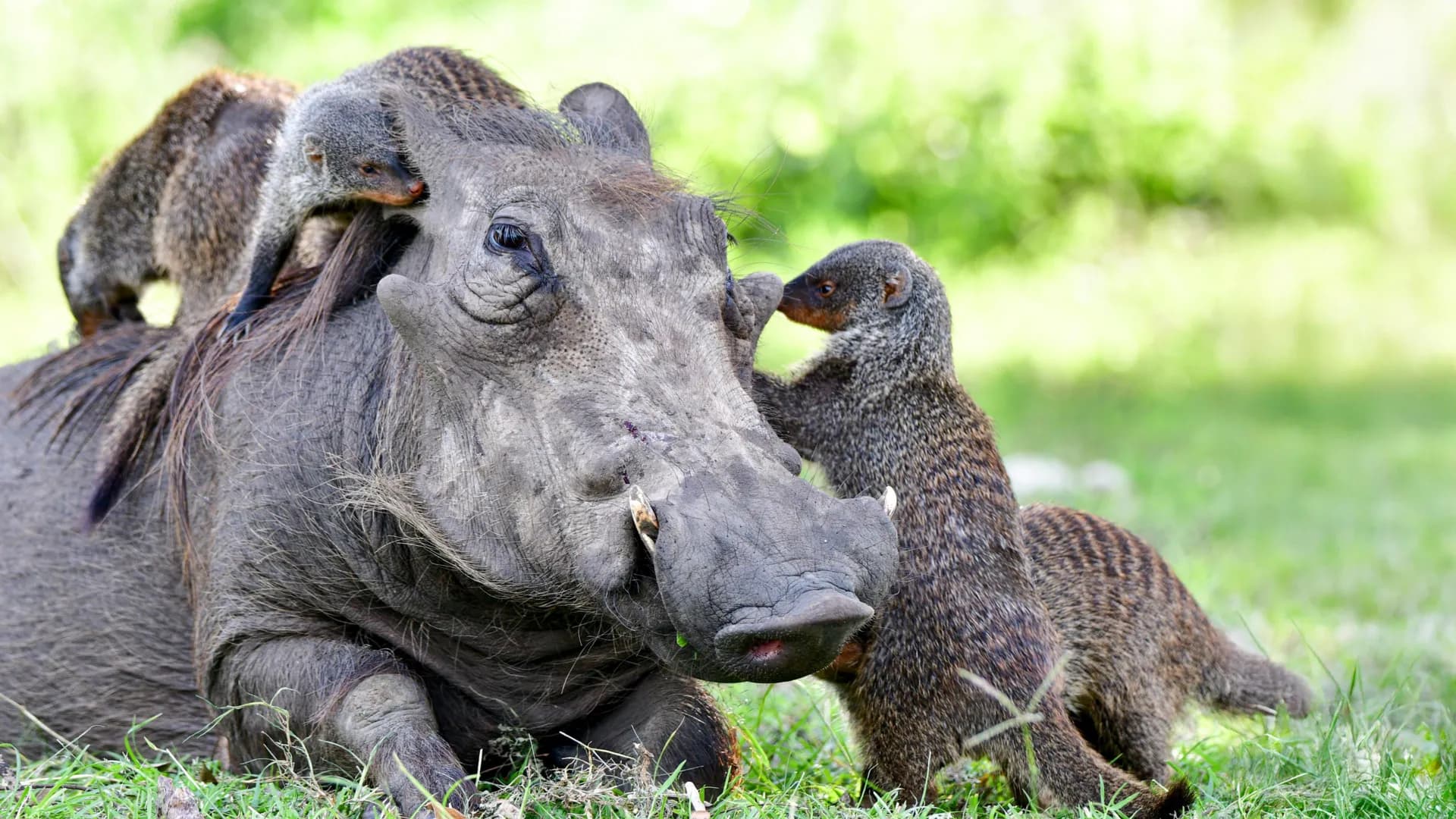
A bird can follow a human call to a bee’s nest, while a butterfly larva can use chemical and vibrational signals to recruit ants as bodyguards. Those are not isolated oddities; a new review argues that animals across the tree of life use cross-species signals to cooperate, share resources and avoid danger.
Published in Animal Behaviour, the review, titled The ecology and evolution of cues and signals in animal interspecies cooperation, says this area has been relatively underexplored compared with cooperation within a single species and collective behavior. The work grew out of an interdisciplinary workshop in Cambridge, United Kingdom, in July 2023 and drew on 58 authors from anthropology, biology and linguistics, a scale that underscores how broad the question has become.
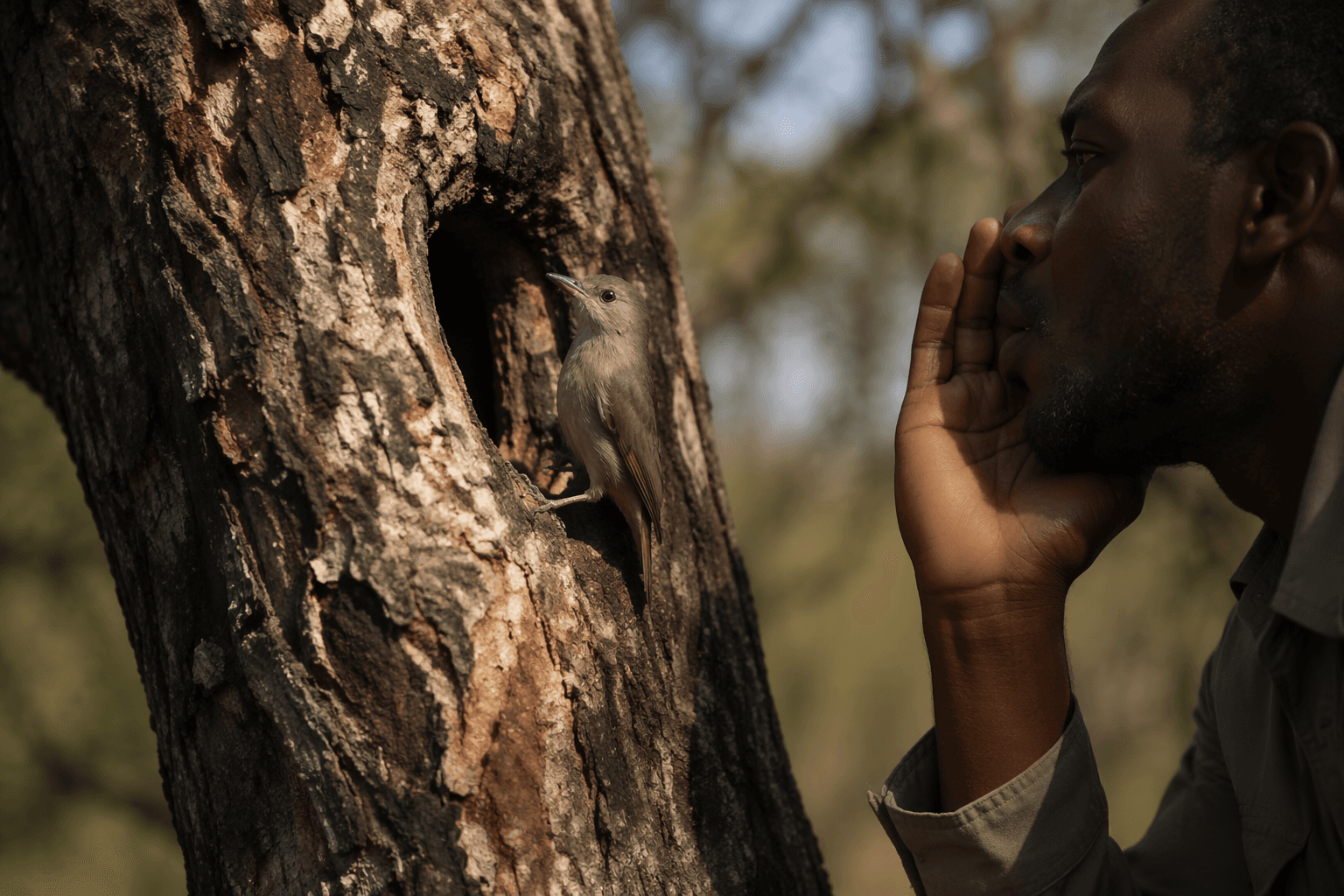
The clearest example comes from the greater honeyguide. The bird leads human honey-hunters to bees’ nests, and it can also respond to human calls. Earlier experiments showed that a specialized vocal sound made by Mozambican honey-hunters seeking bees’ nests elicited stronger cooperative behavior from honeyguides. A 2026 study added a further twist, finding that honeyguides can sometimes be led by human honey-hunting dialects that vary regionally, suggesting the system is learned and culturally variable rather than fixed. Researchers working on the honeyguide system say that dependence on human honey-hunting practices makes the mutualism vulnerable to cultural change.
The review places that relationship beside cleaner fish and larger reef fish, where movements, visual displays, calls and other behavioral cues help cleaners remove parasites in exchange for food. It also highlights lycaenid butterfly larvae, which use chemical and vibrational signals to persuade ants to protect them instead of eating them. In each case, the signaling is not one-dimensional: multiple senses can be involved, and the same partnership may depend on sight, sound, touch and chemistry working together.
The broader lesson, the authors argue, is that interspecies cooperation is not just about animals happening to live near one another. It depends on communication systems that help species synchronize timing, identify reliable partners and limit cheating. Jessica van der Wal of the University of Cape Town said the review focuses on how cues and signals help align the interests of entirely different species so cooperative partnerships can emerge and persist.
That has direct ecological stakes. If habitat disruption weakens the communication networks that connect species, it could damage not only individual populations but the relationships that let them survive together. For conservation and habitat management, the message is clear: protecting biodiversity may also mean protecting the conversations that biodiversity depends on.
This article was produced by Prism’s automated news system from verified source data, official records, and press releases, then run through automated quality and moderation checks before publishing. The system is built and supervised by the people who set the standards it runs under. Read our full AI policy.
Did this article answer your question?