Study finds cocaine pollution alters wild salmon movement in lakes
Cocaine residue in Lake Vättern made juvenile salmon roam farther, a wild-test that points to drug pollution slipping through wastewater systems.

A drug residue linked to cocaine use pushed wild Atlantic salmon to move farther and disperse more widely in a Swedish lake, offering a sharp warning about what ends up in waterways when wastewater systems cannot fully strip out chemical contaminants.
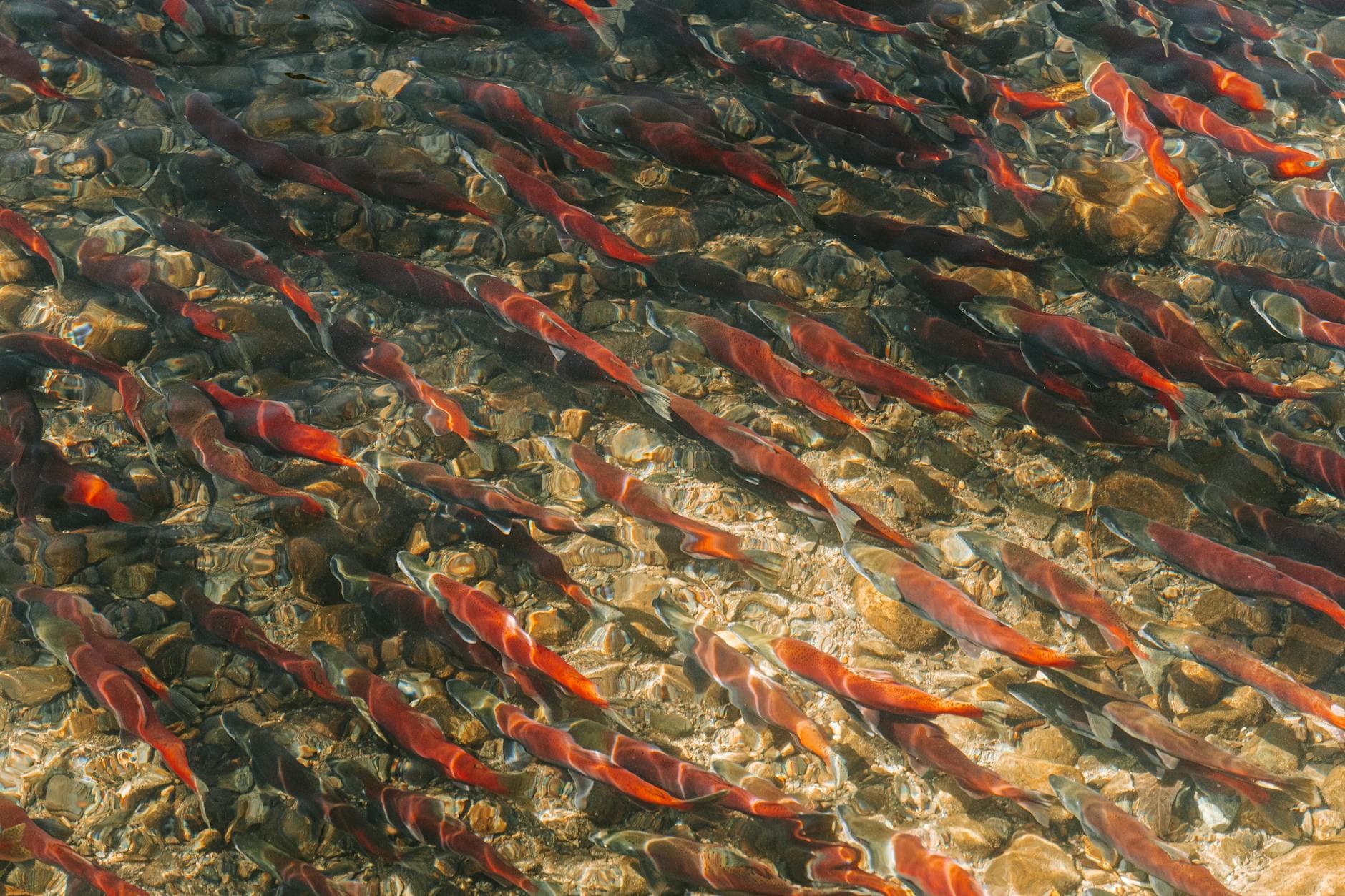
In a peer-reviewed study published in Current Biology on April 20, 2026, an international team led by researchers from Griffith University, the Swedish University of Agricultural Sciences, the Zoological Society of London and the Max Planck Institute of Animal Behavior tracked 105 juvenile Atlantic salmon in Lake Vättern, Sweden, for eight weeks. The fish were divided into three groups: a control group, a cocaine-exposed group and a group exposed to benzoylecgonine, the main metabolite of cocaine and a compound commonly detected in wastewater.
The clearest changes showed up in the fish exposed to benzoylecgonine. Those salmon swam up to 1.9 times farther per week than unexposed fish and spread up to 12.3 kilometers farther across the lake. The metabolite had a stronger effect on movement than cocaine itself, and the behavioral changes became more pronounced over time. The researchers said this was the first evidence that cocaine contamination altered fish behavior in the wild, not just in laboratory settings.
That matters because movement is not a minor trait for salmon smolts, the juvenile stage that migrates from freshwater toward the sea. Marcus Michelangeli, a co-author on the study, said movement shapes what fish eat, what eats them and how populations are structured, warning that pollution could alter ecosystems in ways scientists are only beginning to understand. The study authors said the exposure levels reflected concentrations already found in polluted waterways, and the fish were below legal-catch size, with no indication of risk to people eating them.
The paper added that cocaine is among the most commonly detected illicit substances in aquatic environments worldwide. It cited treated wastewater effluent entering Australian rivers with maximum measured concentrations of 2,990 nanograms per liter for cocaine and 21,570 nanograms per liter for benzoylecgonine. Those numbers point to a broader contamination problem: drug residues from human consumption are moving through water systems that were never built to remove them completely, then persisting long enough to reach wildlife.
The scale of the drug supply helps explain the environmental footprint. The United Nations Office on Drugs and Crime said in its 2024 World Drug Report that 23 million people used cocaine in 2022, part of 292 million people who used drugs that year. In Lake Vättern, the effect was visible not in a lab dish but in the movement of live fish, a reminder that chemical pollution can reshape ecosystems far from the original source.
This article was produced by Prism’s automated news system from verified source data, official records, and press releases, then run through automated quality and moderation checks before publishing. The system is built and supervised by the people who set the standards it runs under. Read our full AI policy.
Did this article answer your question?