Study finds rapamycin may blunt exercise gains in older adults
A drug promoted in longevity circles as a possible anti-aging tool did not help older adults get stronger from exercise, and it may have slightly blunted the gains. The sirolimus group also recorded 99 adverse events, including pneumonia.
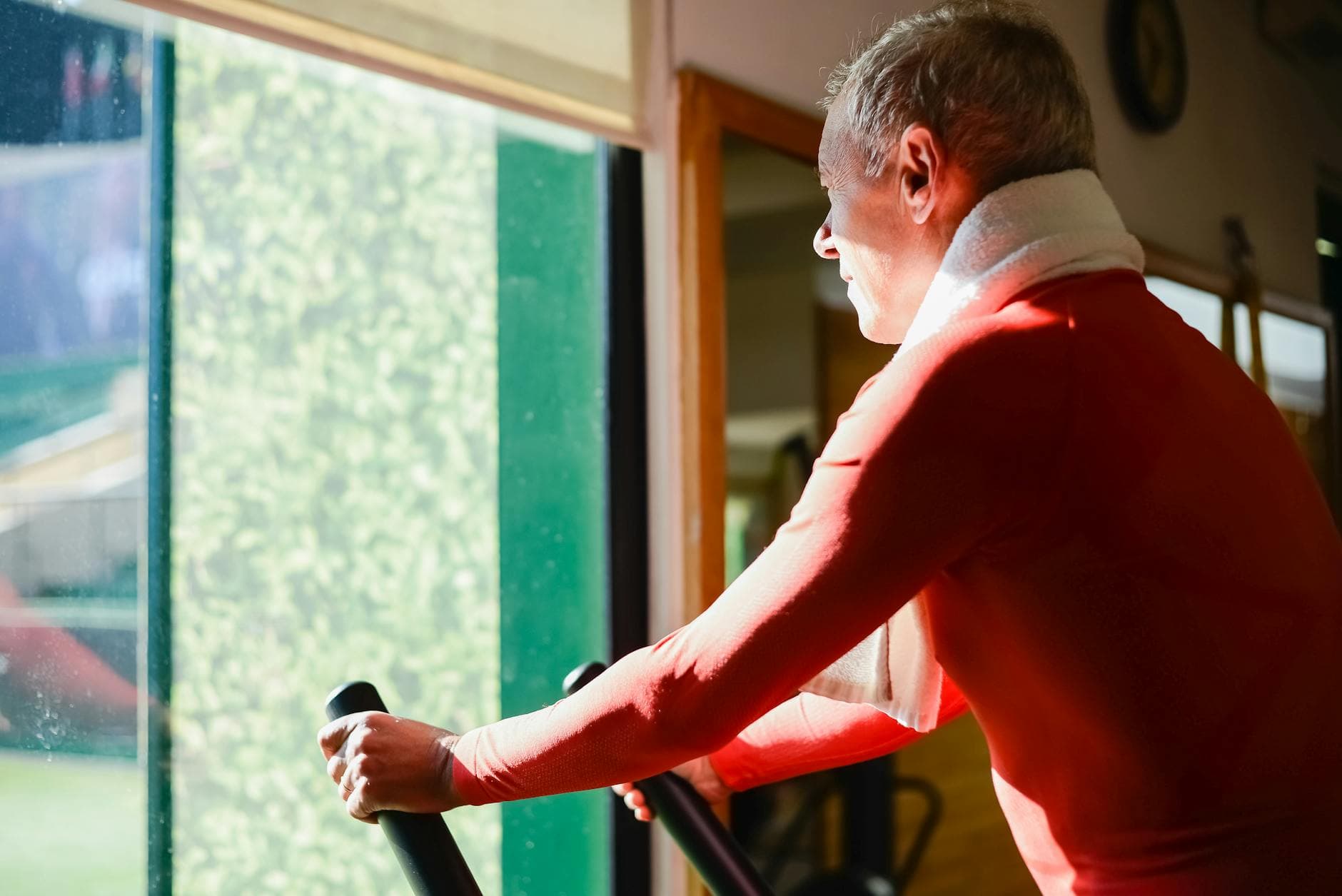
A drug promoted in longevity circles as a possible anti-aging tool did not help older adults get stronger from exercise, and it may have slightly blunted the gains.
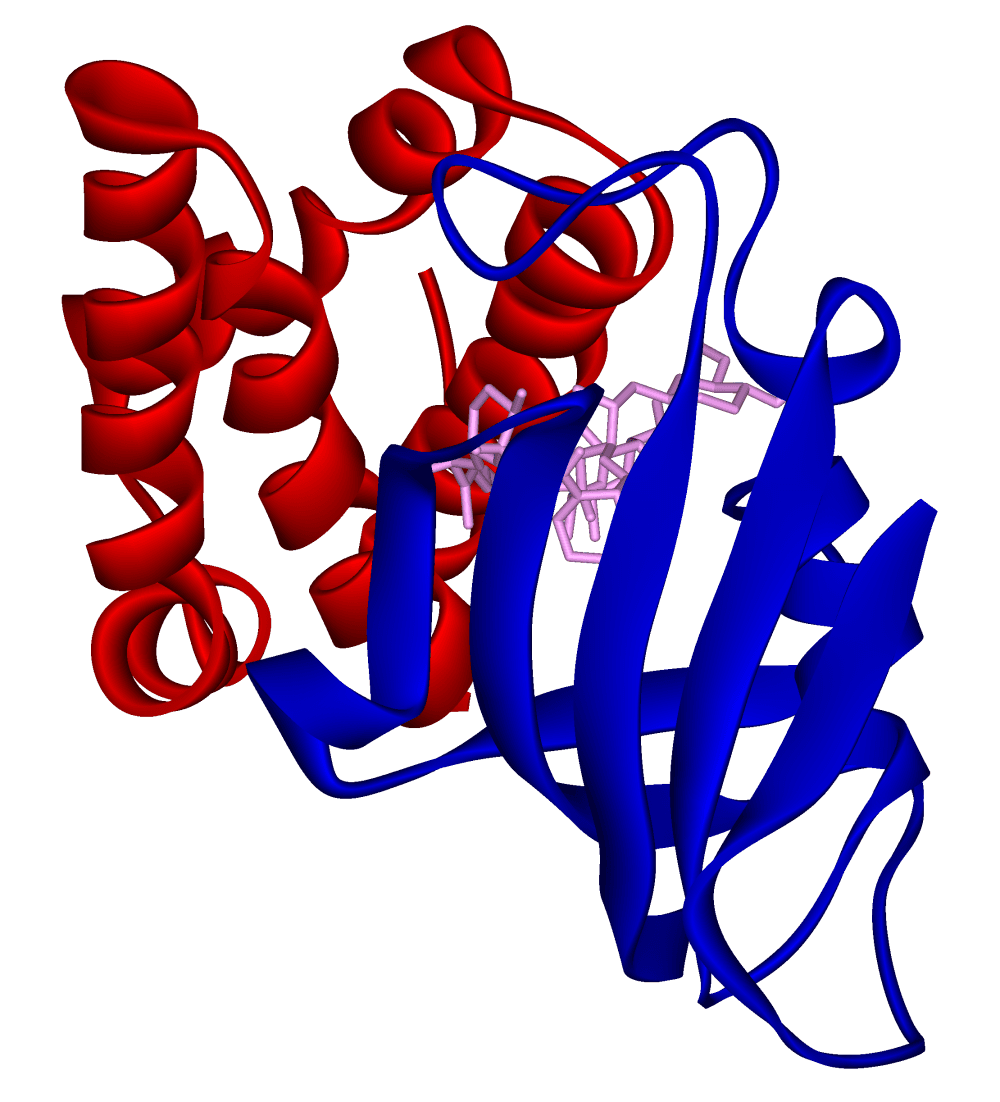
Rapamycin, also called sirolimus, is already an FDA-approved immunosuppressant used to prevent kidney-transplant rejection. Some longevity enthusiasts have taken it off label in hopes that it might slow aging, but a new randomized trial suggests the drug may not pair cleanly with one of the most proven ways to age well: exercise.
The RAPA-EX-01 study enrolled 40 sedentary adults ages 65 to 85, with a mean age of 72.2 and 47.5% women. Participants were assigned to 6 mg of sirolimus once a week or placebo for 13 weeks, and everyone completed the same home-based resistance and endurance program three times a week. The study was single-centre, double-blind and placebo-controlled, and it was prospectively registered in the Australian and New Zealand Clinical Trials Registry on June 26, 2024.
The main test was chair-stand performance, a simple measure of lower-body function. In the intention-to-treat analysis, the sirolimus group did not beat placebo. Instead, the adjusted mean difference was minus 2.13 chair-stand repetitions, with a 95% confidence interval from minus 4.61 to 0.34 and a p-value of 0.089. That fell short of statistical significance, but the direction of the result did not favor the drug.
The sensitivity analyses were more concerning for rapamycin. A complete-case analysis favored placebo by minus 2.46 repetitions, with p=0.045, and the per-protocol analysis favored placebo by minus 3.44 repetitions, with p=0.007. Grip strength and 6-minute walk distance also leaned toward placebo, though neither secondary measure reached statistical significance.
Safety findings raised another caution flag. Seventeen participants in each group reported at least one adverse event, but the sirolimus arm had 99 total adverse events compared with 63 in the placebo arm. One possibly drug-related serious adverse event in the sirolimus group was pneumonia.
The paper, published April 15, 2026 in the Journal of Cachexia, Sarcopenia and Muscle, described the work as an exploratory post-marketing phase 2a assessment of rapamycin for muscle aging. The result does not end the debate over dose, timing or different populations, but it does weaken the easy claim that a longevity drug will automatically amplify training. For older sedentary adults, the short-term signal points in the opposite direction: rapamycin may slightly blunt the gains that exercise is supposed to deliver.
This article was produced by Prism’s automated news system from verified source data, official records, and press releases, then run through automated quality and moderation checks before publishing. The system is built and supervised by the people who set the standards it runs under. Read our full AI policy.
Did this article answer your question?