Study Finds Sharp Decline in Western Ghats Dragonfly, Damselfly Species
A two-year sweep across 144 sites found only 143 odonate species in the Western Ghats, leaving at least 79 historically reported species unrecorded.
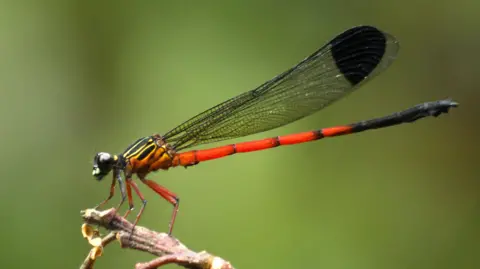
Dragonflies and damselflies are disappearing from one of India’s most vital freshwater corridors, and scientists say the loss may be an early warning that rivers, streams and wetlands across the Western Ghats are under heavier strain than previously understood.
A new field study across the 1,600-km mountain chain recorded 143 odonate species, 76 dragonflies and 67 damselflies, from 144 localities in Gujarat, Maharashtra, Goa, Karnataka and Kerala. The survey, conducted from February 2021 to March 2023 and published on 13 April 2026 in Springer Nature’s Biology Bulletin Reviews, found that 40 of those species were endemic to the Western Ghats.
But the tally captured only about 65% of the odonate fauna historically known from the region. That leaves a shortfall of nearly 35%, or at least 79 previously reported species not detected during the survey. Pankaj Koparde, one of the study’s authors, said the missing species may be extremely rare, seasonal or possibly lost from parts of the Western Ghats. He stressed that dragonflies and damselflies are strong indicators of freshwater ecosystem health, so their absence can point to broader ecological degradation.
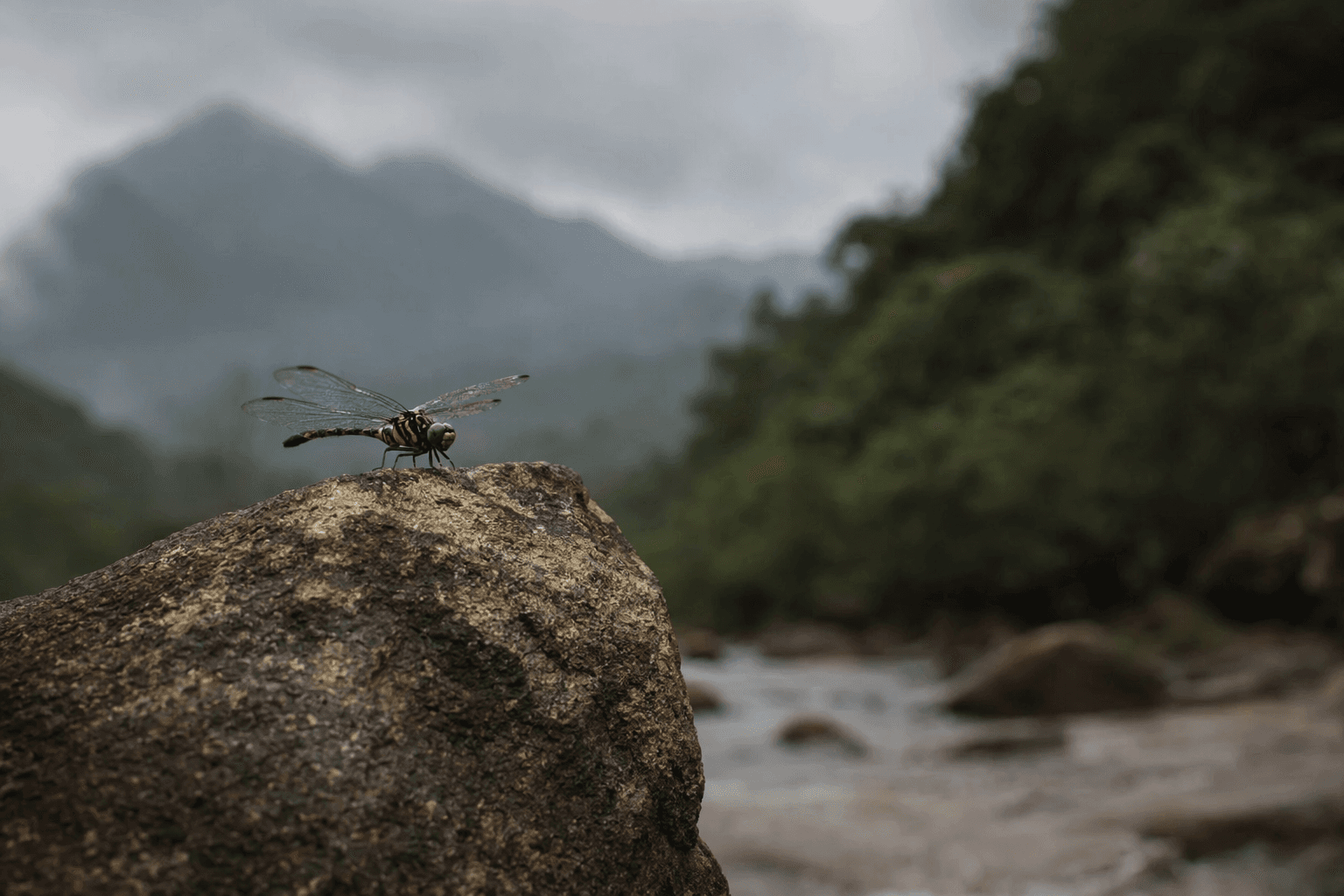
That warning lands in a landscape already under pressure. The Western Ghats are a UNESCO World Heritage Site and one of the world’s major biodiversity hotspots, home to at least 325 globally threatened species and more than 30% of India’s plant and animal life. The IUCN’s 2025 World Heritage Outlook rated the region as a site of significant concern, citing urbanisation, agricultural expansion, livestock grazing, infrastructure development, invasive species and mining as continuing threats.
The study’s findings add another layer to that list. Researchers pointed to linear infrastructure, hydropower projects, pollution, large-scale land-use change, unregulated tourism, recurring forest fires and climate change as stressors reshaping freshwater habitats from the northern stretches of Gujarat and Maharashtra to the wetter forests of Karnataka and Kerala. For species that depend on clean water, intact stream margins and stable seasonal cycles, these pressures can quickly shrink breeding grounds and fragment populations.
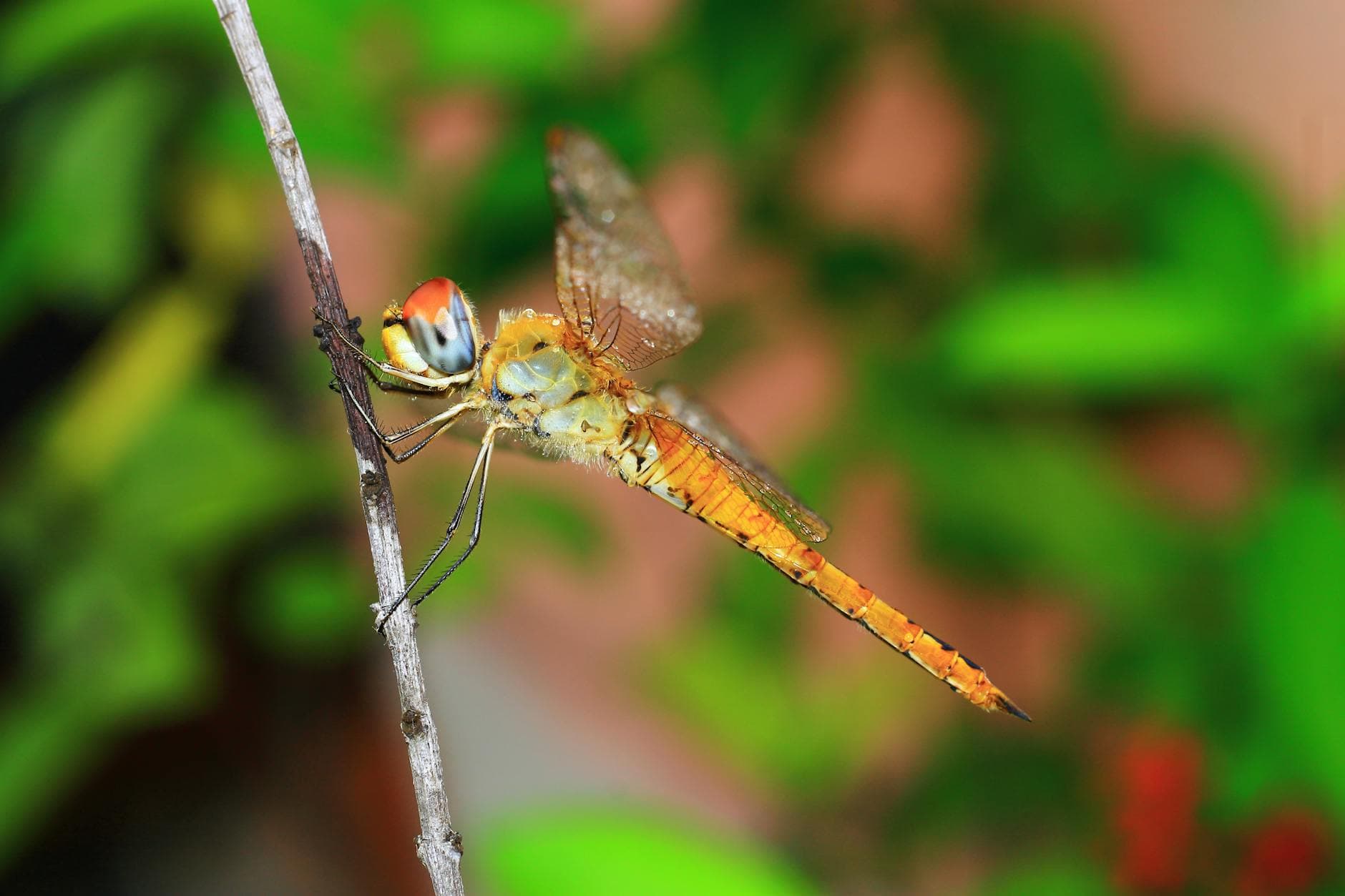
The record also underscores how much remains unknown. Three of the species documented, Elattoneura souteri, Protosticta sanguinostigma and Cyclogomphus ypsilon, are already listed as Vulnerable on the IUCN Red List. Many others are classified as Data Deficient or Not Evaluated, leaving conservation planners with an incomplete picture at precisely the moment the region’s water systems are facing greater stress.
Supported by the Department of Science and Technology, Government of India, the survey offers a stark message: when odonates vanish, the damage rarely stops with insects. In the Western Ghats, their decline may be signaling deeper losses in freshwater resilience, agricultural water security and the ecological foundation that millions of people depend on.
This article was produced by Prism’s automated news system from verified source data, official records, and press releases, then run through automated quality and moderation checks before publishing. The system is built and supervised by the people who set the standards it runs under. Read our full AI policy.
Did this article answer your question?


