Study Finds Triple-A Umpires Call Fewer Edge Strikes Than MLB
A Statcast analysis found Triple-A umpires call fewer strikes on plate edges than MLB, changing how pitchers and hitters must adjust during promotions and evaluations.
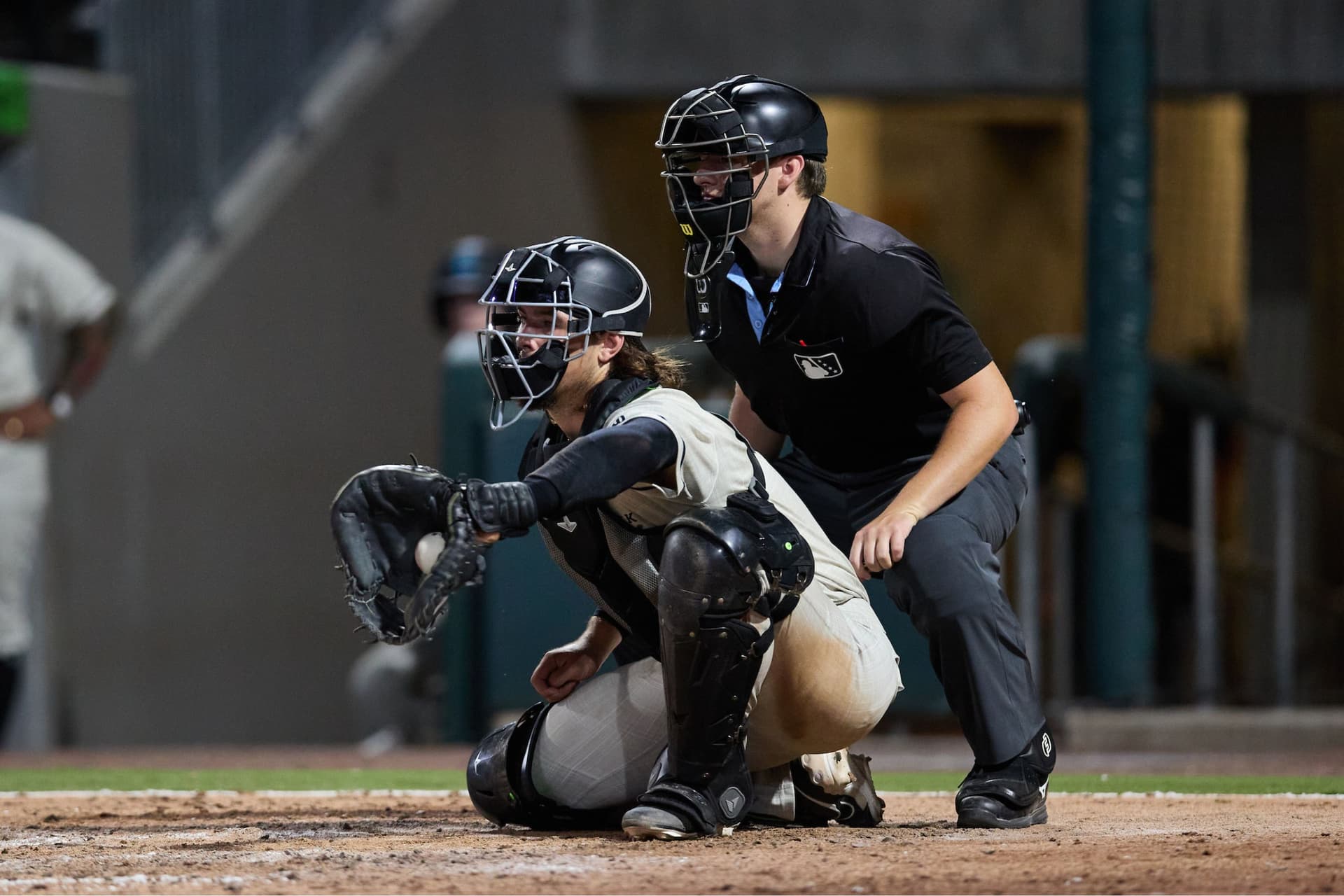
A new analysis of Statcast pitch-location data shows measurable differences between the way umpires in Triple-A and Major League Baseball treat the edges of the strike zone. Umpires at the highest minor-league level are less likely to reward pitches that inhabit the "shadow" edge zones, a tendency that carries practical consequences for player performance, scouting and roster decisions.
The study compared called-strike patterns and found a consistent gap in edge strike calls when Triple-A and MLB crews faced similar pitches. Those shadow zones - late-breaking or borderline pitches just off the plate - are where subjectivity and small judgment calls matter most. Because MLB has increasingly centralized umpire evaluation, more game video, and faster feedback loops tied to Statcast numbers, major-league umpires are calling a different borderline game than many Triple-A counterparts.
That divergence matters for pitchers and hitters moving up or down. Pitchers who rely on glove-side cutters, sweeping breaking balls, or elevated fastballs that skim the edge may see their effective strike rate change after promotion. Hitters who learned to chase certain edges in Triple-A may find fewer gifts in the zone at the big-league level, and vice versa when demoted. Player evaluators will need to factor umpire-zone adjustments into projection models and scouting reports to avoid over- or under-valuing performance that was at least partly umpire-driven.

The finding also touches on industry trends. Technology and feedback are reshaping umpiring at every level, but adoption and intensity differ across assignments. MLB’s higher volume of pitch-tracking data and centralized evaluations creates a stronger feedback loop for consistent zones. In Triple-A, staffing patterns, training emphasis and less frequent high-profile oversight may produce more conservative edge calls. Those structural differences influence how teams handle pitcher sequencing - pitchers may attack corners differently in Triple-A to manufacture more called strikes, while MLB strategy might emphasize hard-to-hit locations and trusting the zone.
Beyond in-game tactics, there are business and cultural implications. Prospects chasing promotions face not just faster velocity but also a shifting strike environment that can affect ERA, walk rates and scouting grades. Front offices that incorporate umpire-zone variance into development plans can better prepare arms and hitters for transition, protecting roster investments. Fans and fantasy managers should anticipate swings in counting numbers when a player changes levels.

For Triple-A followers and prospect scouts, the takeaway is actionable: identify who benefits from expanded edges and who struggles when those edges vanish. For the sport, the pattern is another reminder that technology and training are changing baseball’s human layer, and that umpire development is now part of the pipeline shaping the next generation of major-league talent.
Sources:
Know something we missed? Have a correction or additional information?
Submit a Tip