Study Urges Mindfulness Programs as Nurses' Death-Related Stress Spurs Coping
Study finds oncology nurses' death-related stress drives coping and urges mindfulness programs to reduce burnout and support retention.
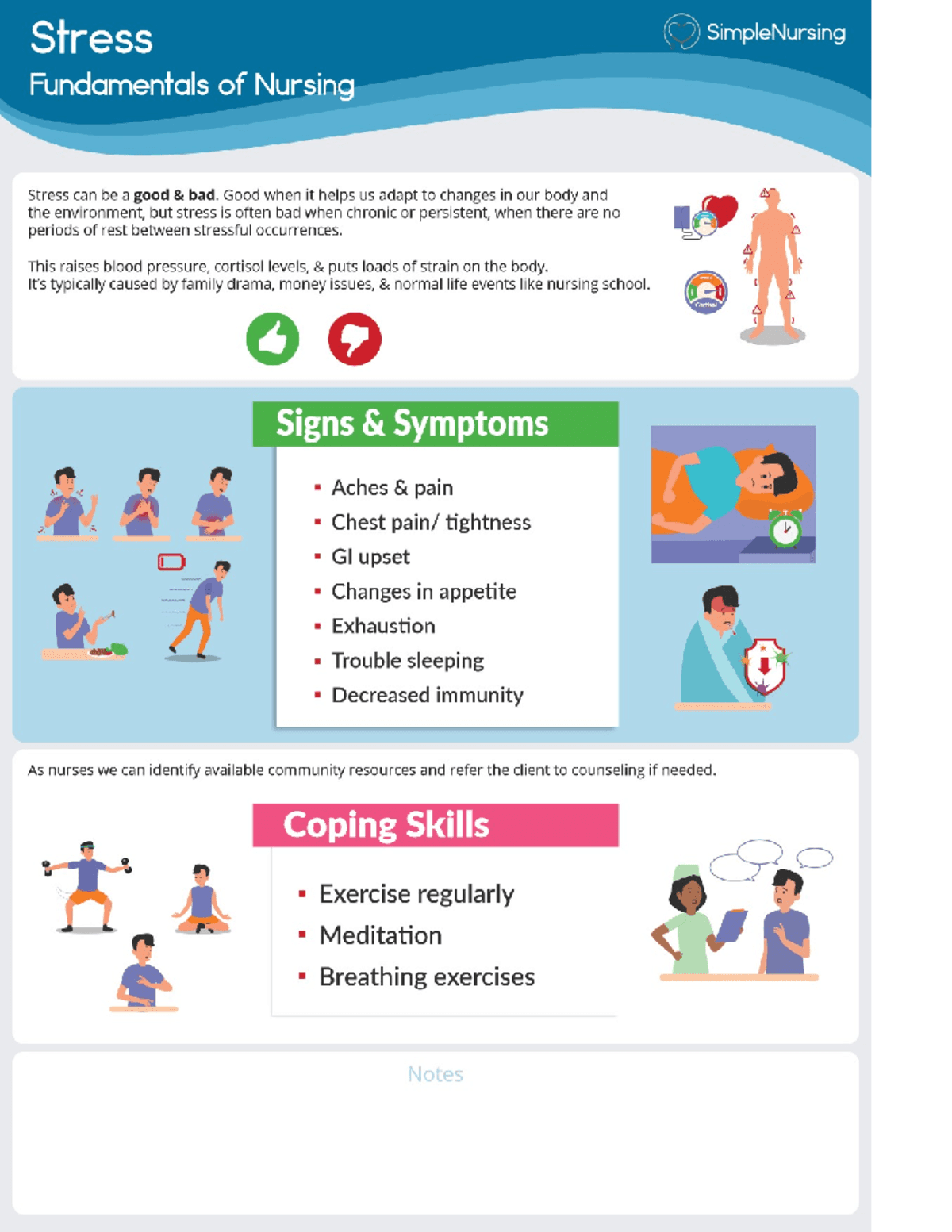
A study of oncology nurses in Jordan found that stress linked to death and dying pushed nurses toward problem-focused coping, and that higher overall coping scores tended to accompany higher stress levels. The findings highlight an urgent workplace need: institutional supports such as training, counseling and mindfulness-based stress reduction to protect nurse wellbeing and staffing.
Researchers used an exploratory, quasi-experimental pre/post design with 38 oncology nurses as the analytic focus. Participants completed the Nurse Stress Scale (NSS) and the Brief COPE. Analysis showed a moderate positive correlation between stress related to death and dying and problem-focused coping (r = 0.254, p < 0.01). Overall, higher coping scores correlated with higher stress (r = 0.33), and hierarchical multiple regression indicated that coping mechanisms significantly predicted occupational stressors (β = 0.441, p < 0.001). The design and measures suggest coping strategies were often mobilized in response to elevated stress rather than functioning as fully protective buffers.
For the mindfulness meditation community, this study connects familiar concepts - compassion fatigue, vicarious trauma, and burnout - with measurable behavioral patterns. Problem-focused coping includes actions such as task reorganization, seeking procedural solutions and time management adjustments. While those strategies can be adaptive, their association with higher death-related stress points to a gap: cognitive and behavioral fixes may not address emotional depletion caused by repeated exposure to patient loss.
Practical value is immediate. Mindfulness-based approaches, trauma-informed breath-work, brief grounding practices and structured debriefing can complement problem-focused tools by targeting emotional regulation, present-moment acceptance and recovery between shifts. Institutional investment matters: the authors recommend workplace training, counseling services and formal mindfulness programs as part of a broader retention and wellbeing strategy. Embedding short, shift-friendly practices - two to five minute centering exercises at handover, brief guided meditations in staff rooms, and scheduled reflective time after difficult cases - makes interventions feasible for busy oncology wards.

Community relevance reaches beyond hospital walls. Mindfulness teachers, program directors and peer supporters can use this evidence to advocate for nurse-centered offerings, tailor practices to high-acuity settings and collect simple outcome measures such as perceived stress and retention intent. Future work should test whether targeted mindfulness interventions reduce the observed coupling of stress and coping over time.
This study points to a clear next step: pair problem-focused supports with accessible mindfulness training so nurses have both tools and refuge. For readers involved in practice or program planning, start small, measure impact, and push for institutional backing so mindfulness moves from optional self-care to an integrated component of workplace wellbeing.
Sources:
Know something we missed? Have a correction or additional information?
Submit a Tip