Study warns biodiversity loss could drive up sovereign borrowing costs
Biodiversity loss could add $162 billion a year to sovereign interest costs, while leaving $83 trillion in assets exposed to mispriced nature risk.

A new model warns that biodiversity loss could move from an environmental concern to a sovereign debt problem, pushing up borrowing costs for governments that depend on healthy ecosystems to support growth, exports and tax revenue. The study says partial collapse in key natural systems could raise annual global sovereign debt interest payments by $162 billion, a hit that would land first on countries least able to absorb it.
The researchers say they have built the world’s first biodiversity-adjusted sovereign credit ratings model, using an adapted version of S&P Global’s methodology. It focuses on three ecosystem services that help keep economies running: wild pollination, marine fisheries and tropical forests and timber. The argument is straightforward. When pollinators weaken, crop yields can fall. When fisheries collapse, export earnings, food supply and coastal jobs suffer. When forests degrade, timber revenues shrink and related industries lose output. Over time, those shocks can reduce growth, weaken public finances and make debt harder to service.
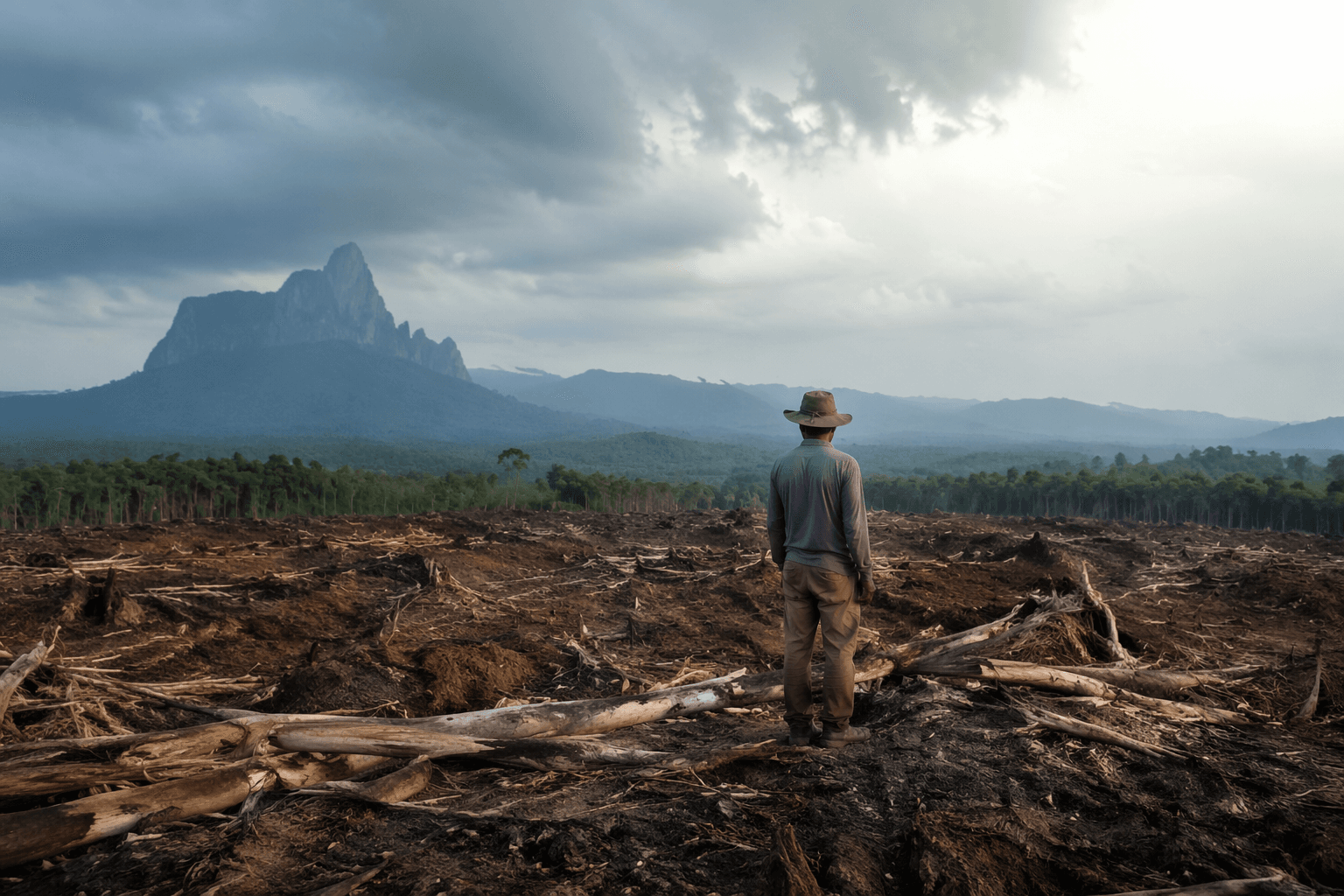
That is why the study says existing ratings frameworks are missing a major risk factor. It estimates that about $83 trillion in global assets are vulnerable to mispricing because biodiversity-related damage is not explicitly built into sovereign credit assessments. The broader macroeconomic stakes are large. A World Bank analysis estimated that collapse of selected ecosystem services could cut global real GDP by $2.7 trillion a year by 2030, equal to 2.3% of GDP. The same analysis said low-income and lower-middle-income countries could see GDP losses of more than 10% in 2030 under a collapse scenario.
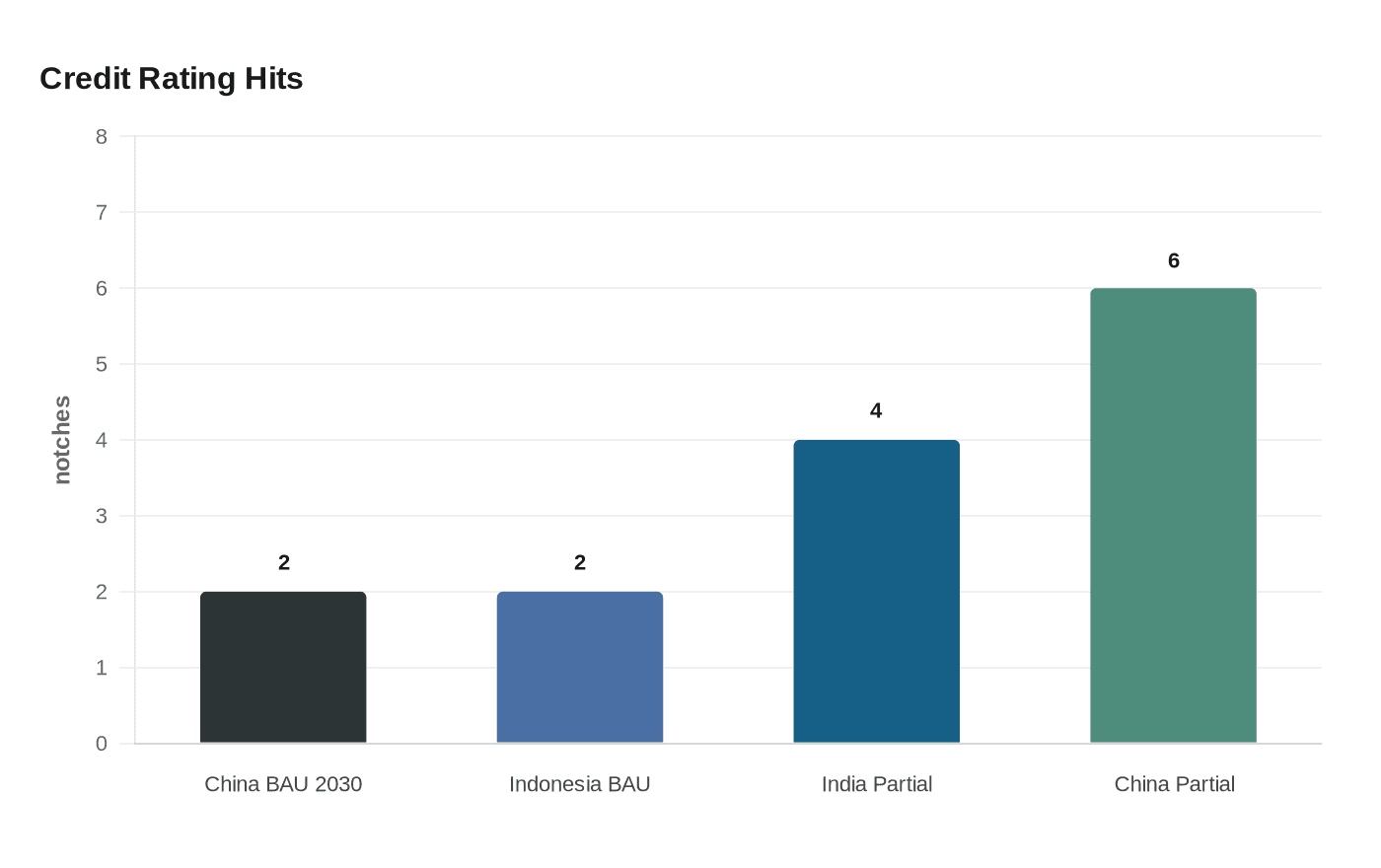
The countries most exposed are those whose economies rely heavily on nature-linked sectors and those already carrying heavy debt burdens. A Cambridge summary of related research said China and Indonesia could each drop two notches by 2030 under a business-as-usual path. Under a partial ecosystem-collapse scenario, India could fall four notches and China six notches on S&P’s 20-notch scale. Sovereign ratings cover more than $66 trillion in debt, so even modest changes can ripple through bond markets and balance sheets.
The policy message is that lenders and investors may be underpricing a risk that can quickly become fiscal. The earlier 2022 NatureFinance work modeled nature loss across 26 nations and argued that omitting biodiversity risk could undermine market stability and raise borrowing costs. The latest research extends that warning to the world’s largest asset class, suggesting that central bankers, rating agencies and finance ministries may soon have to treat biodiversity loss as a financial stability issue, not just a conservation one.
This article was produced by Prism’s automated news system from verified source data, official records, and press releases, then run through automated quality and moderation checks before publishing. The system is built and supervised by the people who set the standards it runs under. Read our full AI policy.
Know something we missed? Have a correction or additional information?
Submit a Tip