Summer solstice arrives June 21, bringing longest day of the year
The June 21 solstice brings the year’s longest day in the Northern Hemisphere, but the strongest daylight gains show up farthest from the equator.

The summer solstice lands on Sunday, June 21, giving the Northern Hemisphere its longest day and shortest night of the year. It marks the official start of astronomical summer, when Earth’s tilt toward the Sun reaches its maximum and the Sun appears highest in the sky.
The date itself is not fixed. Depending on the year and time zone, the solstice can fall on June 20 or June 21. In 2026, it arrives on June 21, while the same moment is the winter solstice in the Southern Hemisphere and the start of winter there.
The National Weather Service and NASA both describe the event as a matter of geometry, not weather. NASA says the Sun is directly over the Tropic of Cancer at the June solstice, and the effect is strongest at higher latitudes. Places near the poles can see midnight sun or continuous daylight, while locations closer to the equator notice a smaller shift in daylight length.
That difference is why the longest day is not the hottest day. The solstice signals the Sun’s highest annual path, but the ground and oceans keep absorbing heat well after June 21, which is why the warmest stretch of summer usually comes later. In practical terms, the solstice is the turning point in daylight, not the seasonal peak in temperature.

The day also carries cultural weight well beyond astronomy. The United Nations recognizes June 21 as the International Day of the Celebration of the Solstice, reflecting traditions that continue across regions and religions. At Stonehenge, English Heritage says the monument was built to align with the Sun on the solstices, and managed public access is planned from the evening of Saturday, June 20, to the morning of Sunday, June 21.
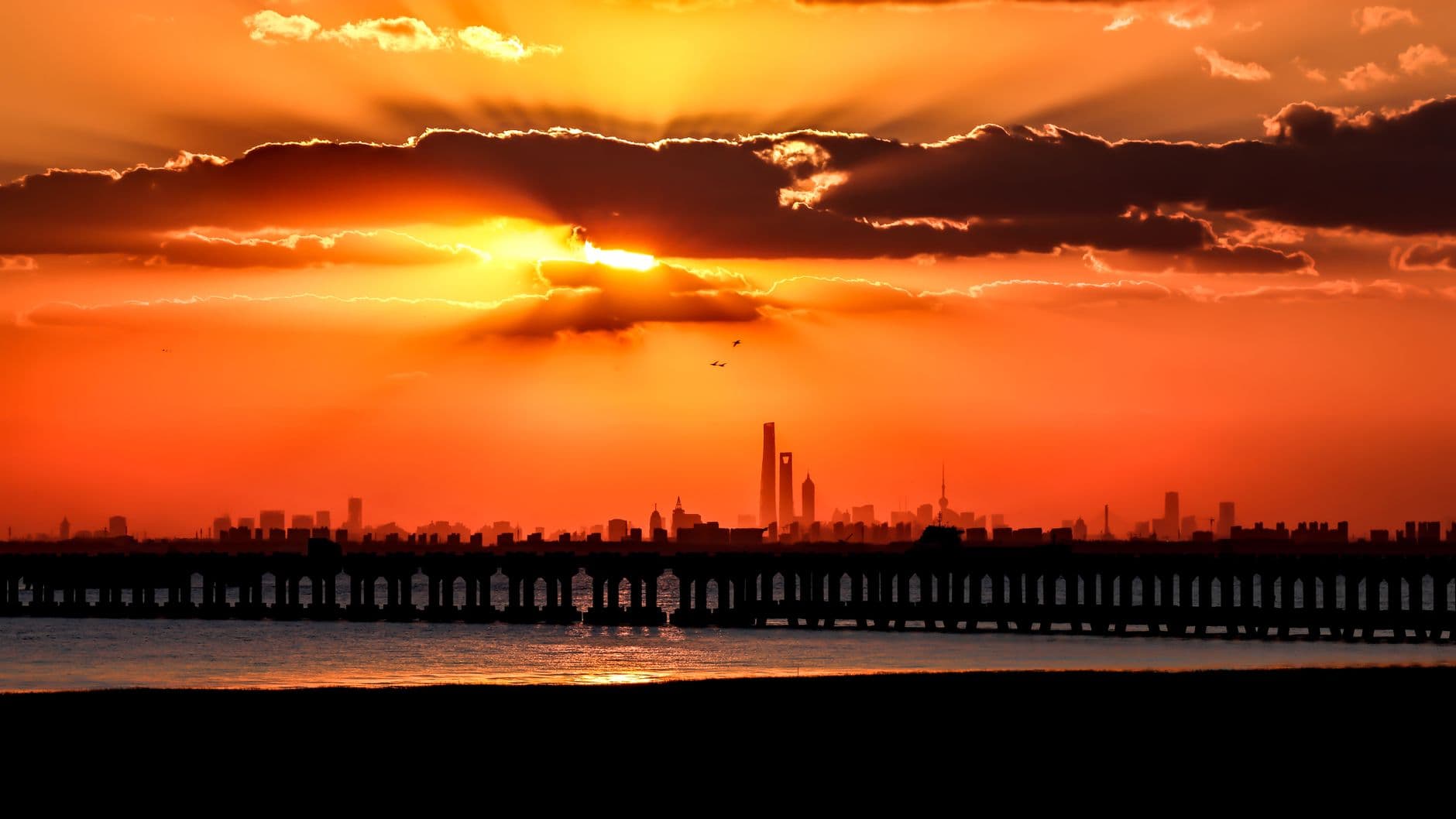
Across the United States, the shift is easy to notice in the morning and evening hours. Northern cities get more late light, southern states see a smaller change, and the farther north the observer stands, the more dramatic the difference becomes. The solstice is the year’s clearest reminder that daylight, latitude and the tilt of Earth shape daily life long before summer heat reaches its peak.
This article was produced by Prism’s automated news system from verified source data, official records, and press releases, then run through automated quality and moderation checks before publishing. The system is built and supervised by the people who set the standards it runs under. Read our full AI policy.
Did this article answer your question?


