Sunday Morning spotlights Philadelphia's cheesesteaks, hoagies and soft pretzels
Philadelphia's signature sandwiches and pretzels started as working-class, immigrant food, then became civic shorthand and tourism bait. Their history explains the city's identity.
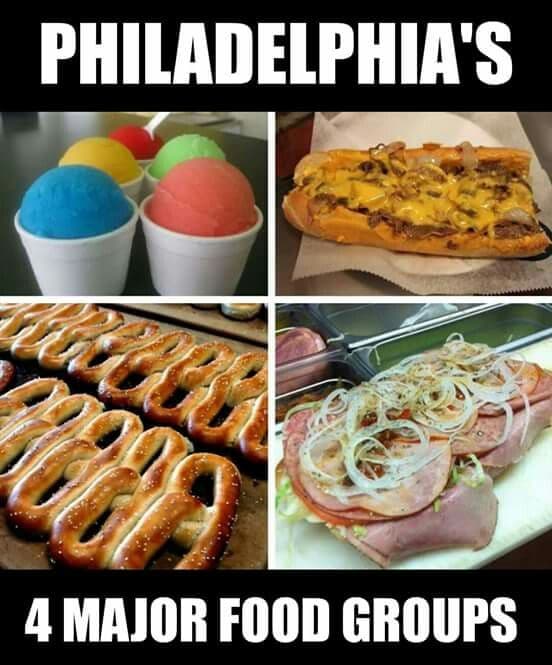
Philadelphia’s edible shorthand
Philadelphia’s best-known bites are not just menu items, they are a compressed history of the city itself. Cheesesteaks, hoagies and soft pretzels sit at the intersection of immigrant labor, street-vendor culture and a long tradition of food processing, which is why they have become such durable symbols of place. Visit Philadelphia treats them as core signature foods, and the city’s food identity is inseparable from the neighborhoods that built them.

That matters because these foods were never created as luxury objects. They emerged from workers, corners, docks and dense ethnic districts, then were polished into tourist essentials. Today they serve as edible shorthand for Philadelphia, but their staying power comes from something more practical: they are portable, filling, inexpensive and deeply tied to the city’s social geography.
The cheesesteak’s South Philadelphia origin story
The cheesesteak is the most famous example of a local food becoming a global label. Pat’s King of Steaks credits Pat Olivieri with inventing the sandwich in 1930, and Visit Philadelphia says the original shop still operates in the same South Philadelphia location, now at the southern end of the Italian Market. The sandwich began as a steak sandwich, with cheese added later, which is a reminder that the dish evolved from working food, not a planned brand identity.
Its format is part of the appeal: a long, crusty roll filled with thinly sliced, freshly sautéed ribeye beef and melted cheese. That construction made sense in a city shaped by manufacturing and street commerce, where food had to travel well, satisfy quickly and fit the pace of urban labor. What began at a South Philadelphia stand became a civic export, then a piece of the city’s tourism economy, with visitors treating the sandwich as a required stop rather than a casual meal.
The cheesesteak also shows how authenticity becomes commercial property. Pat’s family has owned the business since 1930, and the story of origin is now inseparable from the brand itself. In Philadelphia, the debate over where to eat a cheesesteak is really a debate over who gets to define the city’s flavor.
Hoagies and the labor history beneath the name
If the cheesesteak is Philadelphia’s most visible food icon, the hoagie may be its most revealing. The sandwich is widely linked to South Philadelphia and Hog Island, near today’s Philadelphia International Airport, where one widely accepted legend traces it to Italian-American shipyard laborers in the late 19th and early 20th centuries. The name likely evolved from workers calling the sandwiches hoggies, a detail that points directly to the food’s working-class origins.
That backstory matters because the hoagie was built for the rhythm of labor. It was a hand-held meal for men working around the docks and shipyards, portable enough for a break, substantial enough to carry someone through a shift. Like the cheesesteak, it reflects how immigrant communities adapted old-world food habits to Philadelphia’s industrial landscape, using local rolls, meats and sharp seasoning to create something rooted in place.
The hoagie’s journey from dockside lunch to deli staple also shows how neighborhood food becomes citywide identity. Once a meal tied to South Philadelphia’s Italian-American workers, it is now one of the city’s most recognizable sandwiches. That shift is not just culinary, it is economic, because the hoagie now helps sell Philadelphia as a destination while still carrying the imprint of the people who made it first.
Soft pretzels, street corners and a statewide snack economy
Philadelphia’s soft pretzels tell an even longer story about migration and distribution. German settlers brought pretzel traditions to Pennsylvania, and by the twentieth century soft pretzels had become a signature Philadelphia snack. The Encyclopedia of Greater Philadelphia says local pretzels are distinguished by their figure-8 shape, chewy texture and street-corner distribution, a description that captures both the product and the city that adopted it.
The street-corner detail is more than romantic texture. It reflects a food system built around visibility, low overhead and high-volume sales, the kind of informal urban commerce that thrives in dense neighborhoods. Pretzel vendors and bakeries made the snack part of daily city life, turning it into something residents encountered as routinely as a newspaper stand or a corner store.
Pennsylvania’s pretzel dominance gives the story a larger economic frame. Visit Philadelphia says the state produces and consumes more pretzels than any other place in the United States, and about 80% of American pretzels come from Pennsylvania. That scale shows how a regional specialty can become a national supply chain, with Philadelphia at the center of a broader pretzel economy that stretches far beyond the city limits.
Why these foods became civic identity
Together, cheesesteaks, hoagies and soft pretzels explain why Philadelphia’s food culture is so often described through neighborhood identity rather than fine dining. These foods came from immigrant communities, working streets and industrial corridors, then became part of the city’s brand because they were already woven into daily life. They reflect class history as much as taste, with each one rooted in meals that were practical before they were iconic.
They also reveal how cities turn authenticity into tourism currency. Visitors arrive looking for the most “Philadelphia” thing to eat, and the answer is almost always one of these three foods. That demand helps sustain the businesses and neighborhoods that made them famous, but it also freezes complex histories into easy symbols, packaging centuries of migration, labor and commerce into a single bite.
Philadelphia’s signature foods endure because they are both ordinary and symbolic. A cheesesteak from South Philadelphia, a hoagie with dockside roots and a pretzel from a corner bakery are not just local specialties, they are evidence that immigrant traditions can become civic identity without losing their connection to the streets that shaped them.
This article was produced by Prism’s automated news system from verified source data, official records, and press releases, then run through automated quality and moderation checks before publishing. The system is built and supervised by the people who set the standards it runs under. Read our full AI policy.
Did this article answer your question?