Super typhoon batters Guam and Northern Mariana Islands, catastrophic damage feared
Shelters opened on Saipan, Tinian and Rota as Bavi’s 175-mph winds drove Guam into Condition of Readiness 2 and officials warned of catastrophic damage.
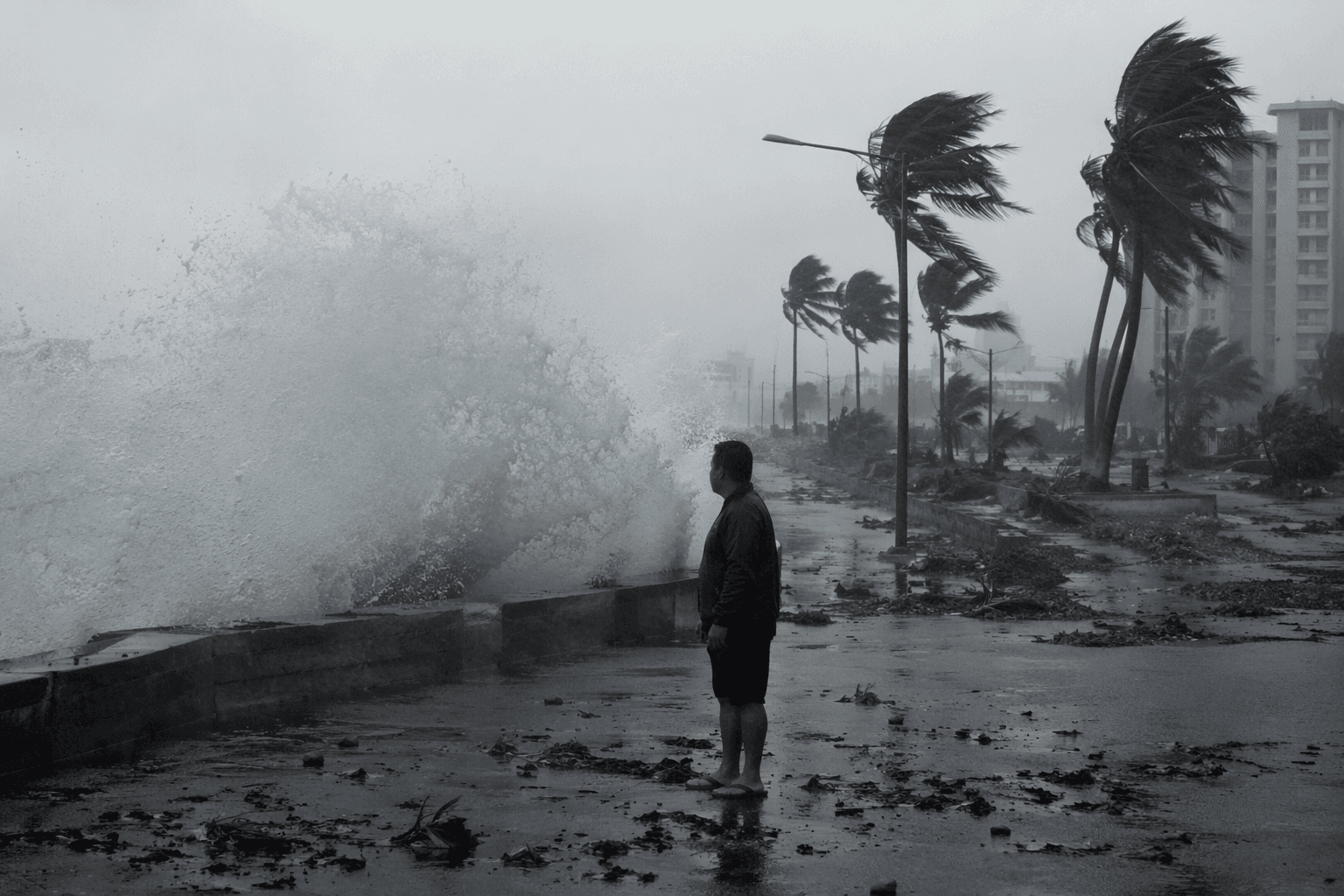
Shelters opened on Saipan, Tinian and Rota as Super Typhoon Bavi bore down on the Marianas. The National Weather Service in Guam warned of catastrophic wind damage and a life-threatening situation across Guam, Rota, Tinian and Saipan. The storm was already lashing Rota, and officials told residents to get inside immediately as damaging winds spread across the U.S. territory and the commonwealth.
Guam Gov. Lourdes A. Leon Guerrero placed the island in Condition of Readiness 2 at about 10 p.m. on July 4, and Joint Region Marianas declared TCCOR 2 as the storm closed in. Damaging winds were imminent Sunday night local time, with a Typhoon Warning in effect for Guam, Rota, Tinian and Saipan and a Tropical Storm Warning in effect for Alamagan.
At 7 p.m. ChST on Saturday, the National Weather Service in Guam placed Bavi’s center near 12.6°N, 150.5°E, about 380 miles east of Guam, moving west at about 8 mph. The storm was producing maximum sustained winds of about 175 mph, making it a Category 5-equivalent system, with gusts as high as 350 km/h.
The threat went beyond wind. Forecasts called for coastal inundation of up to 12 feet near the storm center and rainfall totals of 12 to 20 inches in parts of the Marianas. That combination raised the risk of flooding, surge and isolated communities being cut off as the storm passed through the islands.
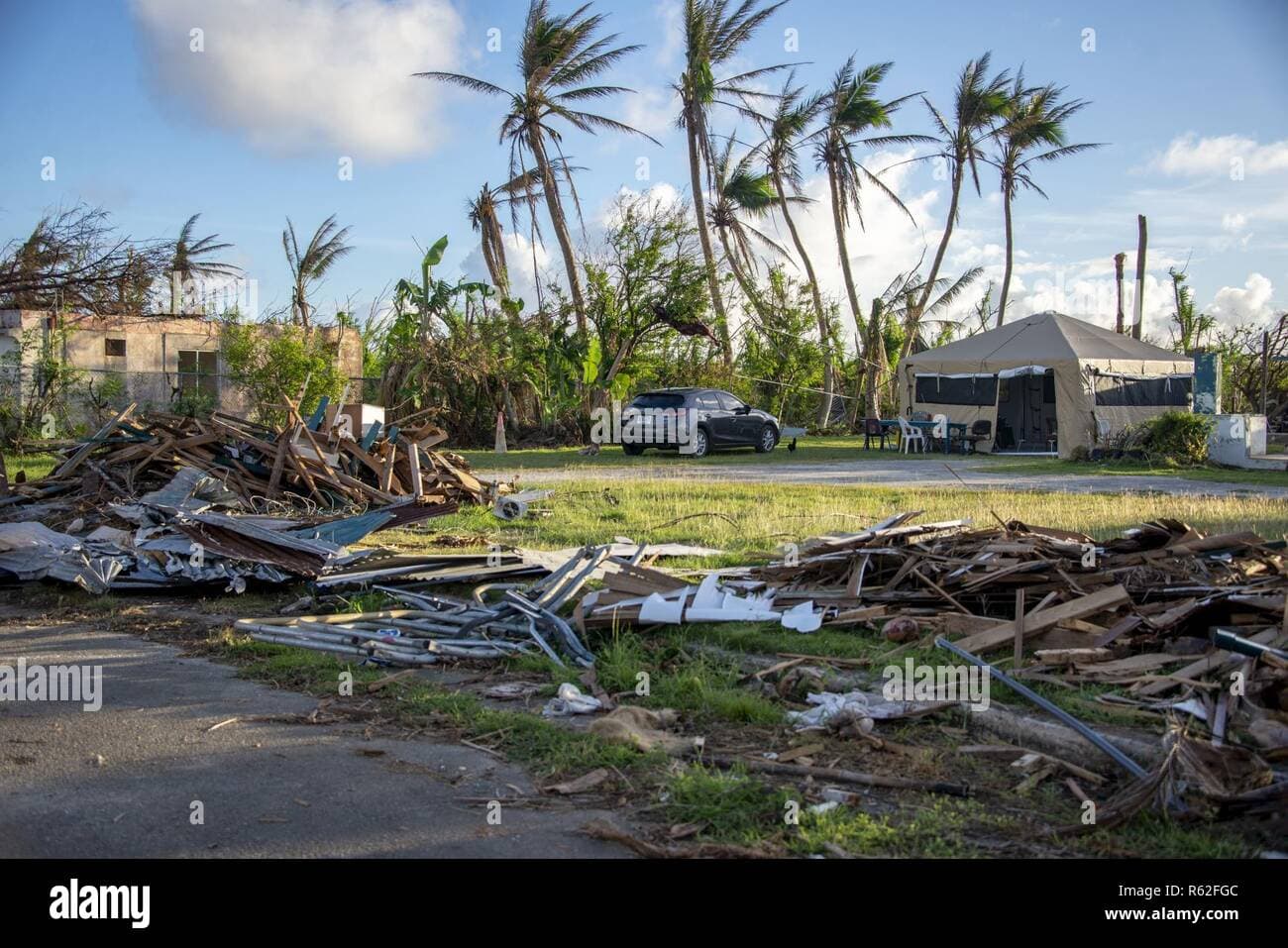
FEMA made federal disaster assistance available to the Commonwealth of the Northern Mariana Islands for emergency conditions resulting from Typhoon Bavi beginning July 2, after President Donald J. Trump approved an emergency declaration. Northern Mariana Islands officials urged residents in Saipan, Tinian and Rota to keep tracking forecasts and finish storm preparations.
This article was produced by Prism’s automated news system from verified source data, official records, and press releases, then run through automated quality and moderation checks before publishing. The system is built and supervised by the people who set the standards it runs under. Read our full AI policy.
Did this article answer your question?