Super typhoon batters Saipan and Tinian, knocking out power and flooding islands
Super Typhoon Sinlaku hit Saipan and Tinian with 150 mph winds, flooding homes and forcing rescues as the storm moved slowly through the night.
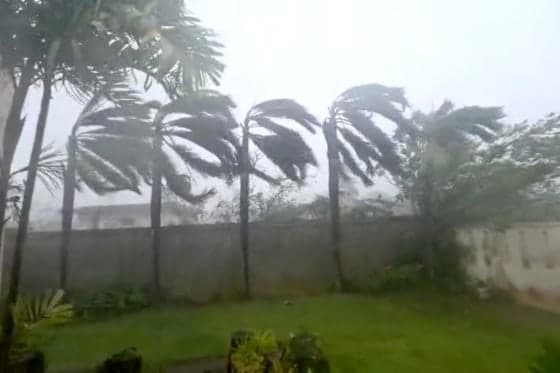
A super typhoon slammed two remote U.S. islands in the Western Pacific, ripping at tin roofs, toppling trees and forcing residents in Saipan and Tinian to take shelter as floodwater spread across roads and homes.
The Northern Mariana Islands, a U.S. territory with roughly 50,000 people on its most populated islands, took the brunt of Sinlaku as it approached with sustained winds around 150 mph. The storm was expected to be among the strongest tropical cyclones on Earth this year, and its slow movement made the danger worse by keeping destructive wind and rain over the same neighborhoods for hours.
Saipan Mayor Ramon “RB” Jose Blas Camacho said the storm had already turned rescue into a struggle. “It’s hitting us hard,” he said, describing people being pulled to safety while trees were thrown about and wooden and tin structures collapsed. The worst conditions were expected to last through at least daybreak Wednesday local time, when many residents were riding out the storm in darkness.
National Weather Service meteorologist Landon Aydlett warned that the islands were facing a long night. “This is not going to be an easy night for anyone across Tinian or Saipan,” he said, adding that many people would wake up to “a different island.” The forecast underscored how quickly a typhoon can turn an isolated community into an emergency zone, with power outages, flooding and dangerous flying debris threatening homes built to withstand less punishing weather.
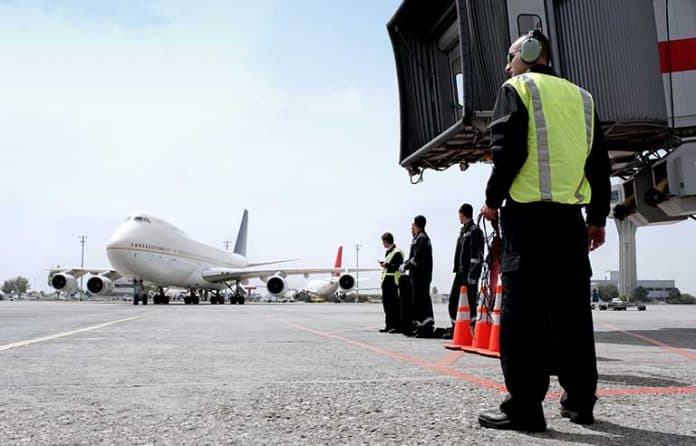
The storm’s reach extended beyond the Northern Marianas. Guam was also hit with torrential rain and flash flooding concerns, and U.S. military personnel on the island were ordered to shelter in place. Ahead of landfall, schools were closed and flights were canceled across parts of the region, a reminder of how quickly transportation links can disappear for islands that depend on them.
Sinlaku was expected to weaken after passing north of the Marianas, but it still threatened Alamagan, Pagan and Agrihan as it continued through the chain. For remote U.S. islands, the storm was more than a weather event. It was a test of how long a community can endure when forecasting, evacuation, emergency response and recovery all have to cross hundreds of miles of open ocean before help arrives.
This article was produced by Prism’s automated news system from verified source data, official records, and press releases, then run through automated quality and moderation checks before publishing. The system is built and supervised by the people who set the standards it runs under. Read our full AI policy.
Did this article answer your question?