Supreme Court allows schools to notify parents of students’ transitions
The Supreme Court granted emergency relief in Mirabelli v. Bonta, reinstating a lower-court injunction that lets schools tell parents about students’ name or pronoun changes.
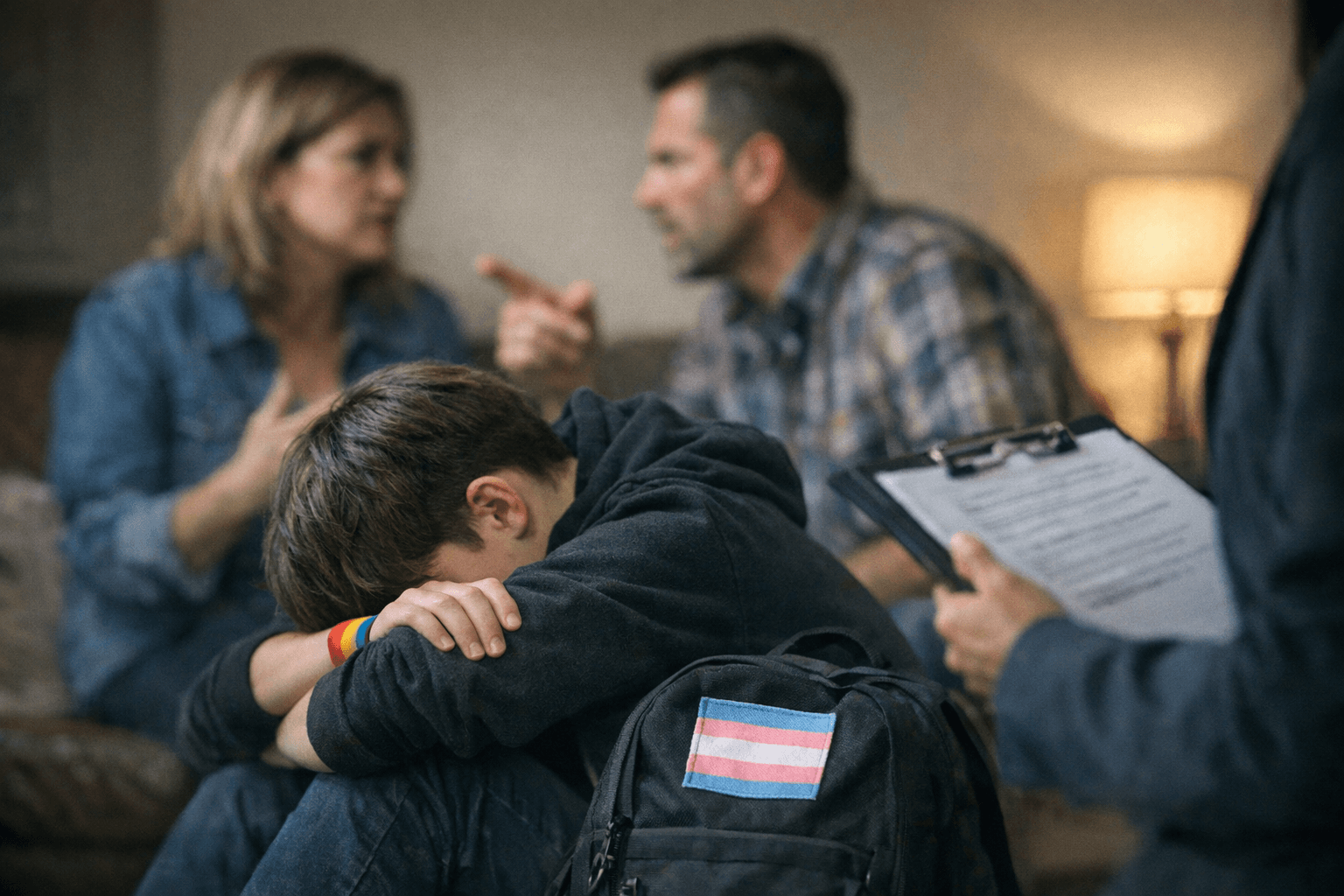
In a 6–3 decision the Supreme Court granted emergency relief in Mirabelli v. Bonta, clearing the way for a federal judge’s injunction that allows California schools to notify parents when students adopt new names or pronouns at school. The order reinstates a district-court ruling that had been paused by the Ninth Circuit and takes effect while the underlying litigation continues.
U.S. District Judge Roger Benitez issued the injunction in December, finding for parents and teachers who challenged state rules that limit when schools may disclose a student’s gender identity to their parents. The Ninth U.S. Circuit put that injunction on hold on Jan. 5, and parents and teachers filed an emergency application with the Supreme Court on Jan. 8. The high court granted the emergency request on Monday, allowing the district-court order to operate pending further proceedings.
Plaintiffs in the case include two sets of Catholic parents and several teachers. The Thomas More Society represents the Catholic couples, and the Becket Fund for Religious Liberty filed an amicus brief supporting the parents and teachers. Plaintiffs argue that California policies infringe parental rights protected by the 14th Amendment’s due process clause and that the rules burden religious liberty and free speech by requiring teachers to conceal a student’s transgender status from parents in many circumstances.
California defended its guidance, saying students have privacy protections under state law and that disclosure can be dangerous in homes where a child might face hostility, rejection, or violence. State lawyers told courts that “currently, under California’s laws and constitutional provisions on privacy and antidiscrimination, schools may balance parental interests with students’ particular needs and circumstances, such as the risk of harm upon disclosure of the student’s gender identity without student consent,” and that “the rules ‘allow disclosure to parents in some circumstances and limit disclosure in others.’”
Gov. Gavin Newsom’s office criticized the Court’s emergency action. Marissa Saldivar, a spokesperson for the governor, said the order “undermines student privacy and the ability to learn in a safe and supportive classroom, free from discrimination based on gender identity.” The governor’s office also argued teachers “should be focused on instruction, not required ‘to be gender cops.’”
Supporters of the injunction say it affirms parents’ authority to direct their children’s upbringing. Becket framed its filing as a defense of “the right of parents to raise and educate their children according to their faith,” citing prior litigation it described as precedent.
Public health and community leaders warned the decision could deepen mistrust between students, families, and schools at a time when mental health needs among LGBTQ youth remain high. Advocates for transgender adolescents say privacy protections in schools can be lifesaving when family rejection is a real risk; plaintiffs and their supporters argue that parental involvement is essential to children’s safety and care. Becket has asserted that one family discovered a school social transition only after the child attempted suicide; that claim appears in plaintiffs’ materials and has not been independently verified in court filings available thus far.
The order represents the latest high court intervention in disputes over parental rights and religious claims in public education. Litigation over Mirabelli v. Bonta will proceed in the lower courts, where judges will address the merits of competing constitutional and statutory claims and the practical effects on school policies, student privacy, and community health.
Know something we missed? Have a correction or additional information?
Submit a Tip