Supreme Court backs Hikma in generic drug patent dispute
The court said Hikma’s Vascepa carveout did not plausibly induce infringement, preserving a faster path for cheaper generics and narrowing one route for brand-name challenges.

The Supreme Court unanimously cleared Hikma Pharmaceuticals USA Inc. to keep selling a generic version of Vascepa without facing the patent fight Amarin Pharma had tried to force, a ruling that could make it easier for low-cost drugs to reach pharmacies sooner. In a 9-0 opinion written by Justice Ketanji Brown Jackson, the court said Amarin failed to state a plausible claim that Hikma actively induced infringement under 35 U.S.C. § 271(b), a result that strengthens a key tool generic makers use to enter the market before every patent on a drug has expired.
The case turned on a skinny label, the FDA-approved approach that lets a generic company carve out patented uses while seeking approval for non-patented ones. Vascepa, whose active ingredient is icosapent ethyl, was first approved in 2012 for severe hypertriglyceridemia and later, in 2019, for reducing cardiovascular risk in certain patients already taking statins. Hikma filed its generic application in 2016, later switched to a section viii statement to omit the cardiovascular indication, and won FDA approval for its skinny label in 2020, along with an AB therapeutic-equivalence rating. All 50 states and the District of Columbia permit or require pharmacists to substitute generics, making the decision important well beyond one drug.
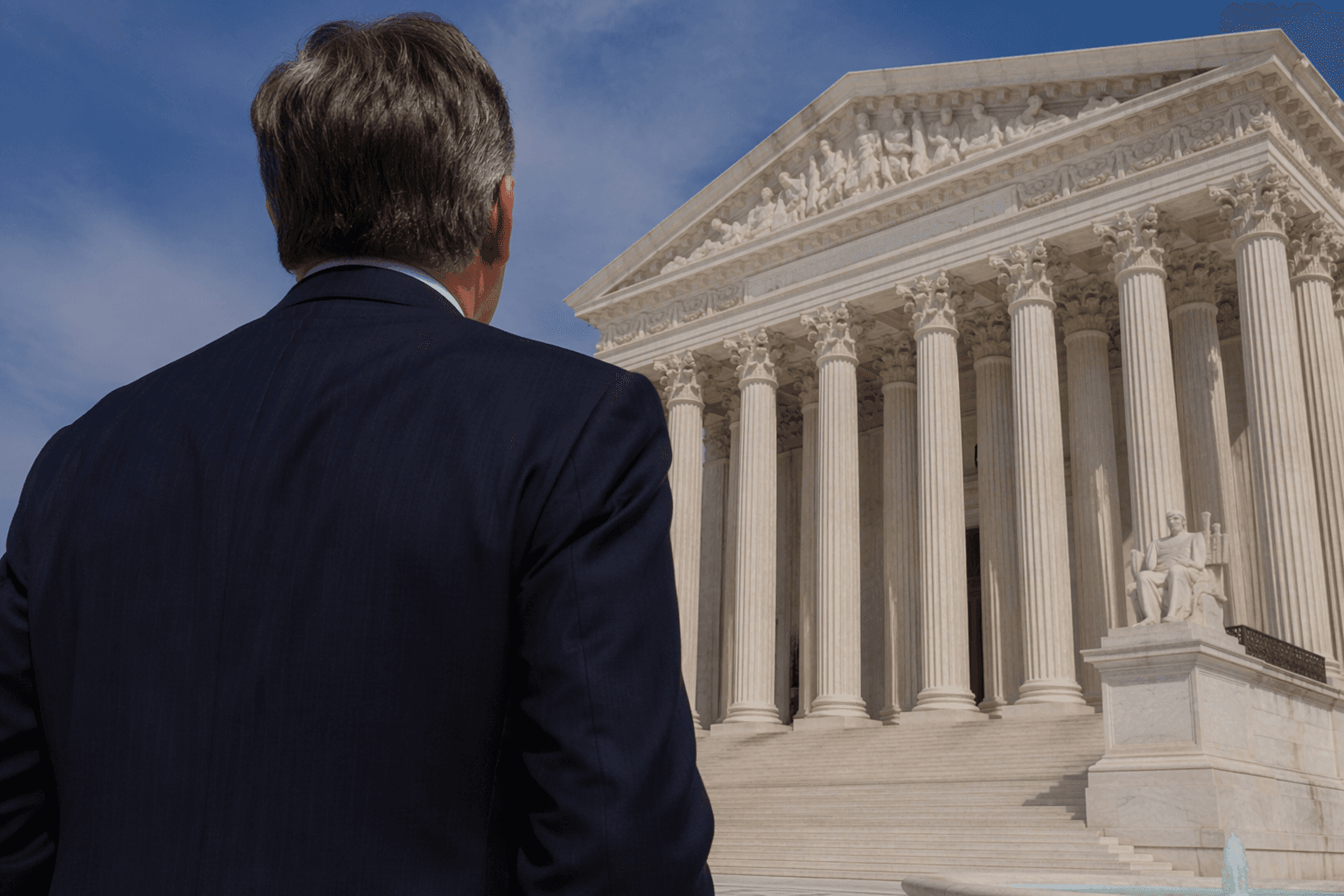
Amarin sued Hikma in the District of Delaware in November 2020, arguing that the generic maker’s label, press releases and website messaging encouraged doctors to prescribe the drug for the still-patented cardiovascular use. The lower courts split over that theory: the district court sided with Hikma, the Federal Circuit reversed on June 25, 2024, and rehearing was denied on October 17, 2024. The Supreme Court granted review on January 16, 2026, heard argument on April 29, 2026, and reversed on June 4, 2026. The ruling leaves brand-name companies with a narrower path: they can still pursue inducement claims when they can plausibly show affirmative encouragement of patented use, but the court did not let allegations based on a proper skinny label and related materials automatically become infringement.

The decision also lands with direct market consequences. The Hatch-Waxman law Congress enacted in 1984 created the carveout framework that allows generics to seek approval for unpatented uses, and that pathway has long been central to earlier competition and lower prescription costs. Hikma said it has more than 2,300 U.S. employees and called the ruling the end of Amarin’s patent litigation against the company. Sam Park said Hikma was pleased that the court unanimously upheld its right to keep providing “safe, affordable, high-quality generic medicines” to millions of Americans. Amarin said it was deeply disappointed and would review its next steps, but the bigger signal from Washington was clear: generic firms have more room to compete without being dragged into expensive patent battles over uses the FDA has carved away.
This article was produced by Prism’s automated news system from verified source data, official records, and press releases, then run through automated quality and moderation checks before publishing. The system is built and supervised by the people who set the standards it runs under. Read our full AI policy.
Did this article answer your question?

%3Amax_bytes(150000)%3Astrip_icc()%2FCertificate-of-deposit-2301f2164ceb4e91b100cb92aa6f868a.jpg&w=1920&q=75)
