Supreme Court backs Trump immigration agenda in two major rulings
The justices let Trump end TPS for Haitians and Syrians and upheld a border practice that kept asylum seekers in Mexico, expanding DHS power.
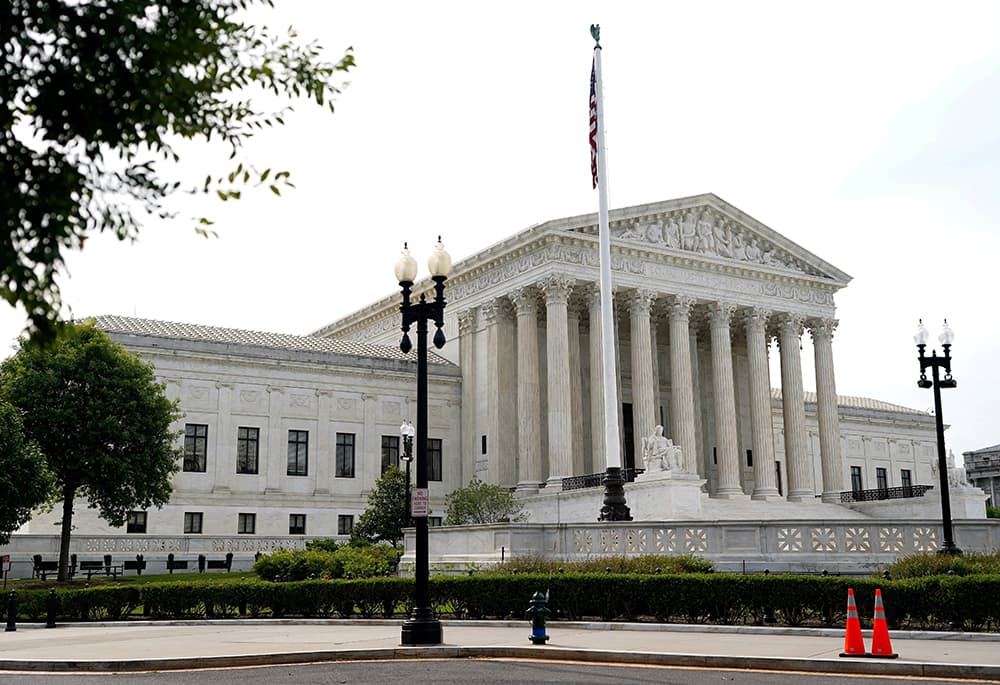
The Supreme Court on Thursday handed Donald Trump two immigration wins, clearing the administration to end Temporary Protected Status for migrants from Haiti and Syria and to keep asylum seekers on the Mexican side of the border while they wait for processing. Both rulings were 6-3, with Justice Samuel Alito writing the majority opinions.
The TPS ruling lets the Department of Homeland Security move quickly to end protections that shield about 350,000 Haitians and about 6,000 Syrians from deportation. Temporary Protected Status still covers about 1.3 million people from 17 countries, and the decision shifts immediate authority to DHS after lower court orders had slowed the rollback. In North Miami, a Feb. 3 vigil at the Little Haiti Cultural Complex took place, while in Springfield, Ohio the outcome left Haitian households terrified. Justice Elena Kagan dissented and criticized Donald Trump’s comments about Haitians; DHS General Counsel James Percival called the ruling “a win for the rule of law and common sense,” and Deputy White House Chief of Staff Stephen Miller called it “a victory 10 years in the making.”

Noem v. Al Otro Lado held that a noncitizen arrives in the United States only after crossing the border, not while standing in Mexico, which means asylum seekers waiting at ports of entry on the Mexican side of the border are not entitled to apply for asylum or demand inspection before entering. The dispute centered on Customs and Border Protection’s metering policy, which began in 2016 at San Ysidro, expanded to all U.S.-Mexico border ports of entry in 2017 and was formalized in 2018.
Al Otro Lado, Inc. and 13 asylum seekers brought the lawsuit in Southern California, and the U.S. Court of Appeals for the 9th Circuit had ruled for them before the Supreme Court reversed and remanded.
This article was produced by Prism’s automated news system from verified source data, official records, and press releases, then run through automated quality and moderation checks before publishing. The system is built and supervised by the people who set the standards it runs under. Read our full AI policy.
Know something we missed? Have a correction or additional information?
Submit a Tip