Supreme Court Clears Path to Dismiss Steve Bannon's Jan. 6 Conviction
The Supreme Court cleared the way to erase Steve Bannon's contempt conviction, a ruling with broad implications for Congress's ability to enforce subpoenas against presidential allies.
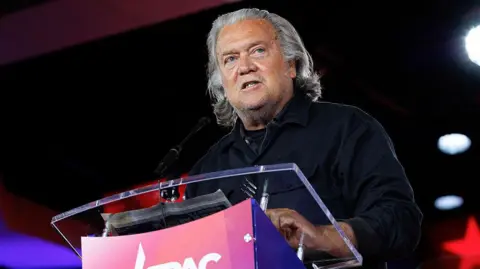
The Supreme Court on April 6 vacated Steve Bannon's contempt of Congress conviction in a brief, unsigned order with no noted dissents, clearing the way for a federal judge to formally dismiss the case and setting a precedent with significant implications for Congress's ability to enforce subpoenas against former presidential advisers.
The order, which emerged from the justices' private conference of April 2, vacated a May 2024 ruling by a three-judge panel of the U.S. Court of Appeals for the D.C. Circuit and returned the case to U.S. District Judge Carl Nichols in Washington, D.C. The Trump Justice Department had filed a motion to dismiss Bannon's two-count indictment in February 2026. Solicitor General D. John Sauer told the justices that "the government has determined in its prosecutorial discretion that dismissal of this criminal case is in the interests of justice." Judge Nichols is now expected to grant that motion.
Bannon, 71, was convicted in July 2022 on two counts of contempt of Congress for defying subpoenas from the House Select Committee investigating the January 6 Capitol attack. The subpoenas sought documents and testimony about his communications with Trump concerning efforts to reverse the 2020 presidential election. According to the committee, Bannon spoke with Trump at least twice on January 5, 2021, attended a planning meeting at a Washington hotel, and declared on his podcast that "all hell is going to break loose tomorrow." He was sentenced to four months in prison and fined $6,500, and served that sentence in 2024 after the Supreme Court rejected his bid to remain free during further appeal.
Because Bannon has already served his sentence, the dismissal carries largely symbolic weight, though it would wipe the conviction from his record entirely. His attorney Evan Corcoran said "like oil and water, politics and prosecution don't mix." A second attorney, Michael Buschbacher, wrote in court filings that "the government acknowledges that Petitioner's criminal prosecution was unjust."
Bannon's central defense rested on the argument that he did not act "willfully" in defying the subpoenas, the key mental state element the federal contempt-of-Congress statute requires. He maintained that he relied in good faith on attorney advice to delay compliance while executive privilege disputes were resolved. The Supreme Court's unsigned order does not resolve that legal question; it simply removes the appellate ruling that sustained his conviction, leaving the dismissal to proceed without a merits ruling.
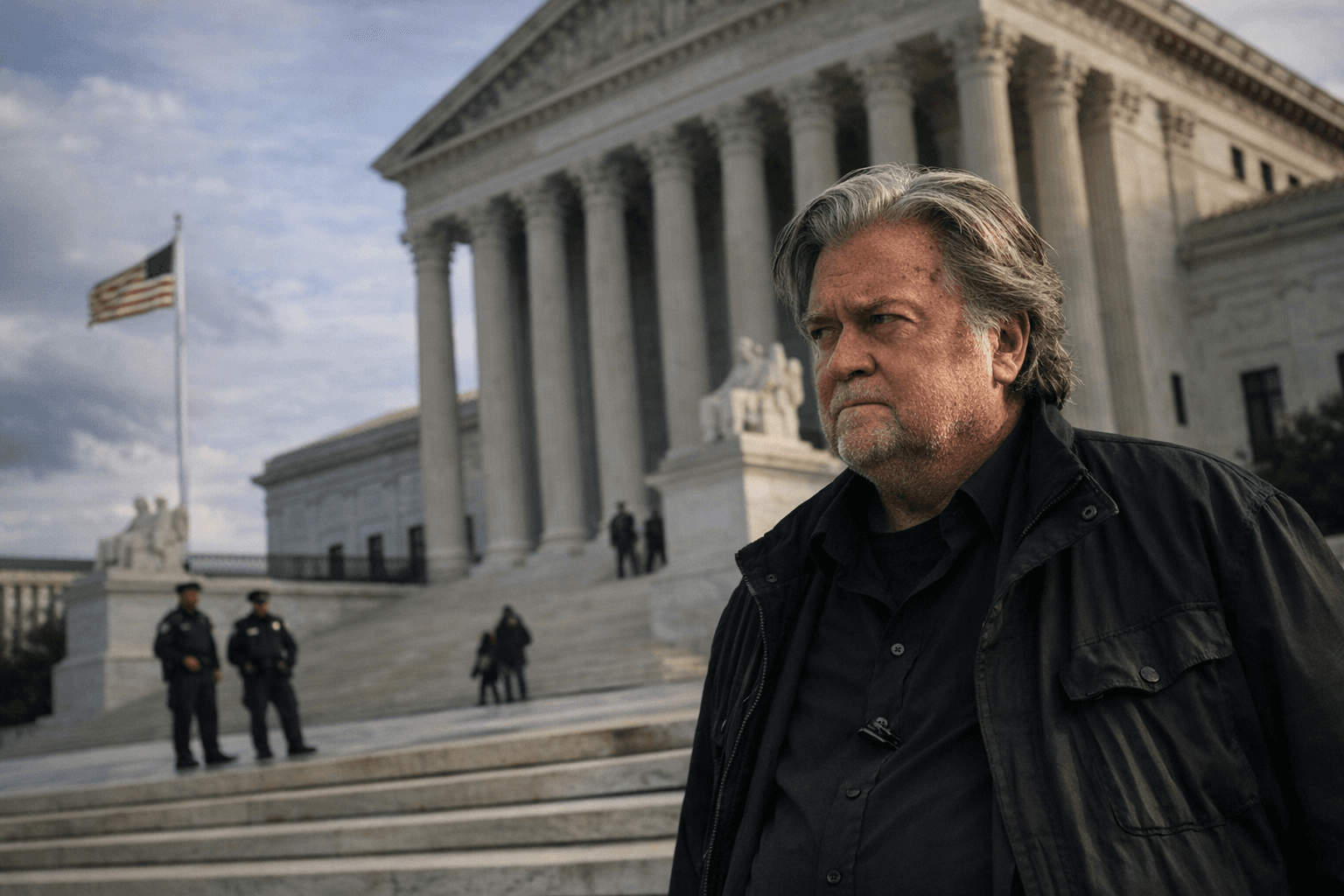
That procedural path matters beyond Bannon. Peter Navarro, Trump's former trade adviser and current Senior Counselor to the President for Trade and Manufacturing, was convicted on the same two contempt counts and served four months in 2024. His appeal at the D.C. Circuit remains pending. The Trump DOJ has already refused to defend Navarro's conviction before that court, producing a one-sided oral argument in late 2025 with no ruling yet issued. The same mechanism could resolve Navarro's case on similar terms.
The same day, the Supreme Court issued a parallel order in the case of P.G. Sittenfeld, a former Cincinnati City Councilman who served 16 months in federal prison after a 2022 bribery and extortion conviction, allowing a lower court to consider dismissing his indictment as well.
The April 6 orders collectively signal the Court's readiness to accommodate executive branch requests to vacate lower court rulings in cases where the government no longer seeks to enforce a conviction. For the House Jan. 6 Select Committee's contempt referrals, five years of investigation and prosecution have now produced two completed prison terms, two cleared records, and an unresolved circuit court appeal. What remains unresolved is whether any future Congress seeking to compel testimony from a reluctant presidential adviser can rely on the contempt mechanism as a meaningful enforcement tool.
This article was produced by Prism’s automated news system from verified source data, official records, and press releases, then run through automated quality and moderation checks before publishing. The system is built and supervised by the people who set the standards it runs under. Read our full AI policy.
Did this article answer your question?

