Supreme Court hears Trump bid to end Haiti, Syria protections
Justices weighed whether anti-Haiti bias tainted the Trump administration’s TPS cuts, or whether national security and foreign policy shielded them.
The Supreme Court confronted a sharp test of presidential power and discriminatory intent as the Trump administration sought to end Temporary Protected Status for Haitians and Syrians, arguing that its decisions rested on foreign policy and national security, not race. The dispute, argued Tuesday, centered on whether judges should look past the administration’s stated reasons and weigh evidence that anti-Haiti animus may have shaped the move to strip legal status from people the United States has allowed to live and work here for years.
Temporary Protected Status, created by Congress in 1990, covers people from countries hit by war, natural disaster or other extraordinary conditions that make return unsafe. Haiti was first designated for TPS nine days after the January 2010 earthquake that killed more than 300,000 people and devastated Port-au-Prince. Syria was added in March 2012 after a brutal crackdown and civil war. The administration moved in 2025 to end both designations, and the cases now before the justices affect more than 350,000 Haitians and about 6,100 Syrians.
The administration has asked the court to go further than approving the terminations. Solicitor General D. John Sauer told the justices the lawsuits are meritless and barred by federal law, contending that TPS decisions are foreign-policy judgments committed to the political branches and not open to review by federal judges. The court has already allowed the administration to end TPS for hundreds of thousands of Venezuelans in 2025, making this case a crucial marker for how far Donald J. Trump’s immigration rollback can go in the face of legal challenge.
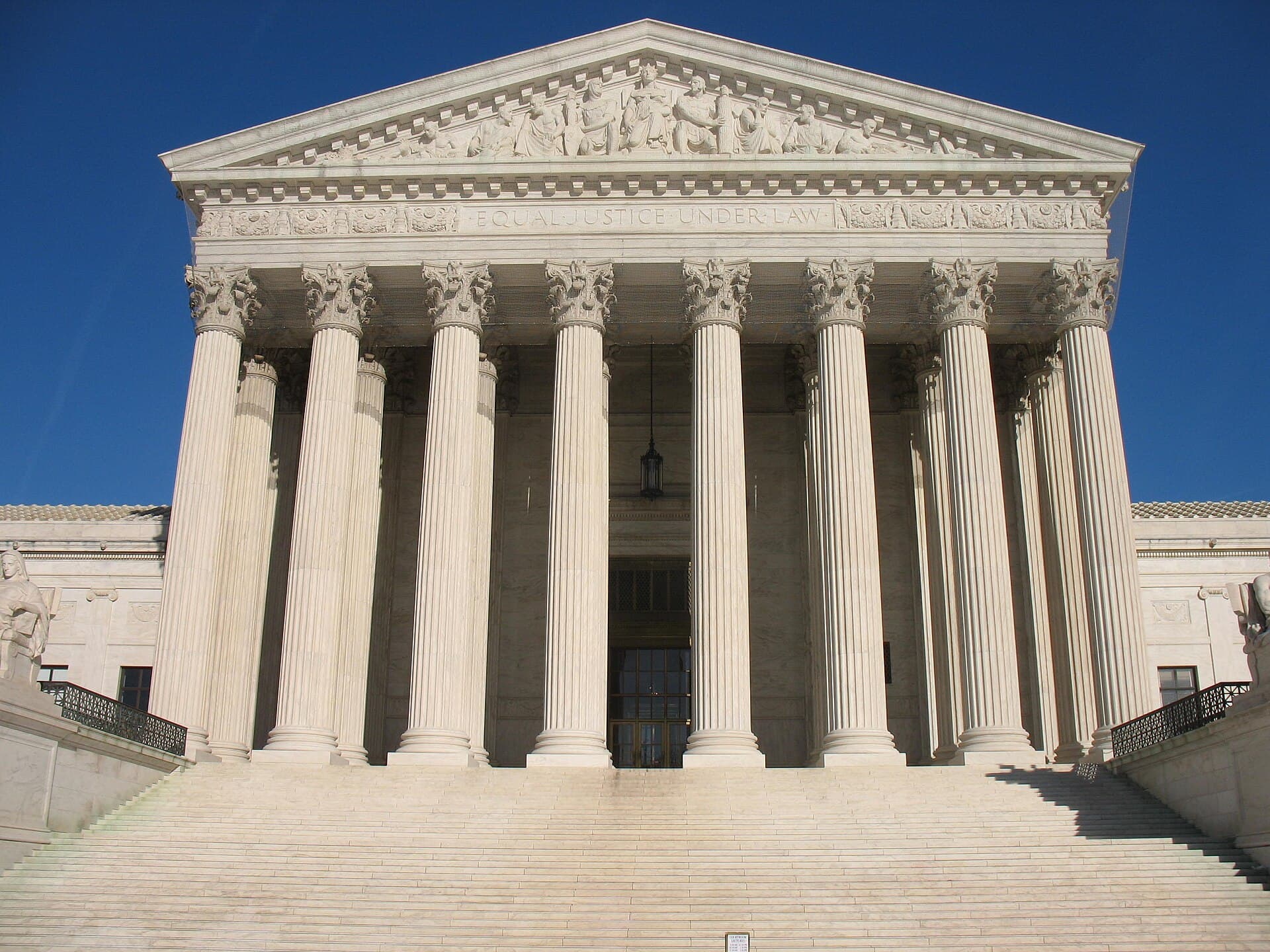
At the center of the fight is whether the justices will treat allegations of discriminatory motive as legally relevant, even when the government invokes neutral-sounding national security language. A Haitian Lawyers Association amicus brief filed April 12, 2026, framed the issue as whether racial or national-origin animus motivated the Department of Homeland Security secretary’s decision to cancel TPS for Haitians. The brief said the United States has a long history of excluding and expelling Haitian immigrants and argued that Haitian clients have faced increased differential treatment tied to national origin under the current administration.
The stakes extend well beyond Haiti and Syria. The State Department still warns against travel to both countries, citing violence, crime, terrorism and kidnapping, facts that bolster the administration’s public-security rationale. But if the court accepts the argument that judges cannot probe the motivation behind TPS terminations, it could make future challenges to immigration actions far harder whenever officials cloak sweeping restrictions in the language of foreign policy, national security or administrative discretion.
This article was produced by Prism’s automated news system from verified source data, official records, and press releases, then run through automated quality and moderation checks before publishing. The system is built and supervised by the people who set the standards it runs under. Read our full AI policy.
Did this article answer your question?

