U.S. orders chip tool makers to halt shipments to Hua Hong, Huali
Washington has ordered tool makers to stop key shipments to Hua Hong and Huali, jolting China’s push toward 7-nanometer chipmaking.
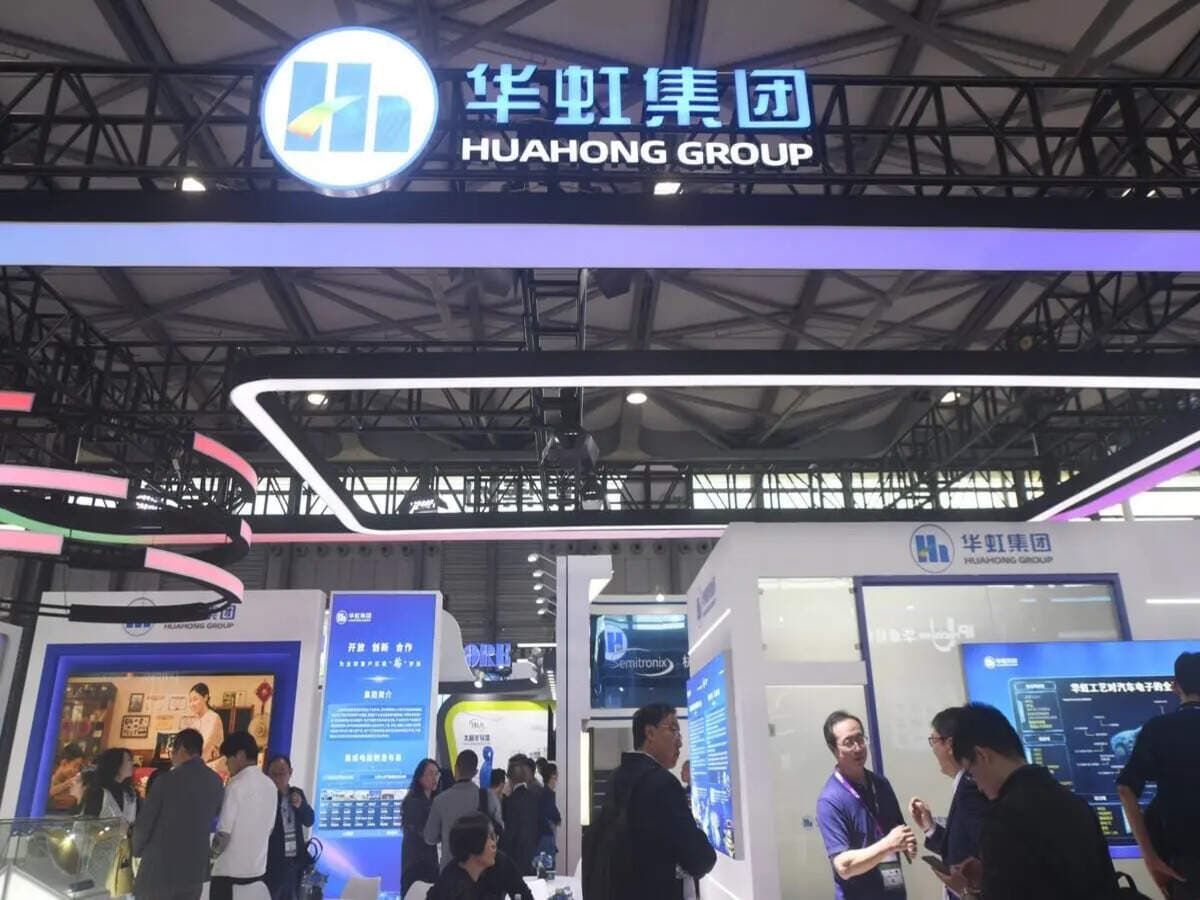
The Commerce Department has ordered multiple chip equipment companies to halt certain shipments to Hua Hong, a move that goes beyond routine export-control enforcement and strikes at one of China’s most important chipmaking pipelines. The letters, sent last week to at least a handful of firms, told them to stop sending tools and other materials to Hua Hong facilities that U.S. officials believe could be used to make advanced chips.
Hua Hong matters because it sits near the center of China’s effort to build more of its own semiconductor supply chain. Its contract chipmaking arm, Huali Microelectronics, was preparing a 7-nanometer process at a Shanghai plant, a level that would make Hua Hong only the second Chinese chipmaker able to reach that node after SMIC. Seven-nanometer manufacturing is important for high-performance computing and AI applications, and Washington has treated that capability as strategically sensitive for years.
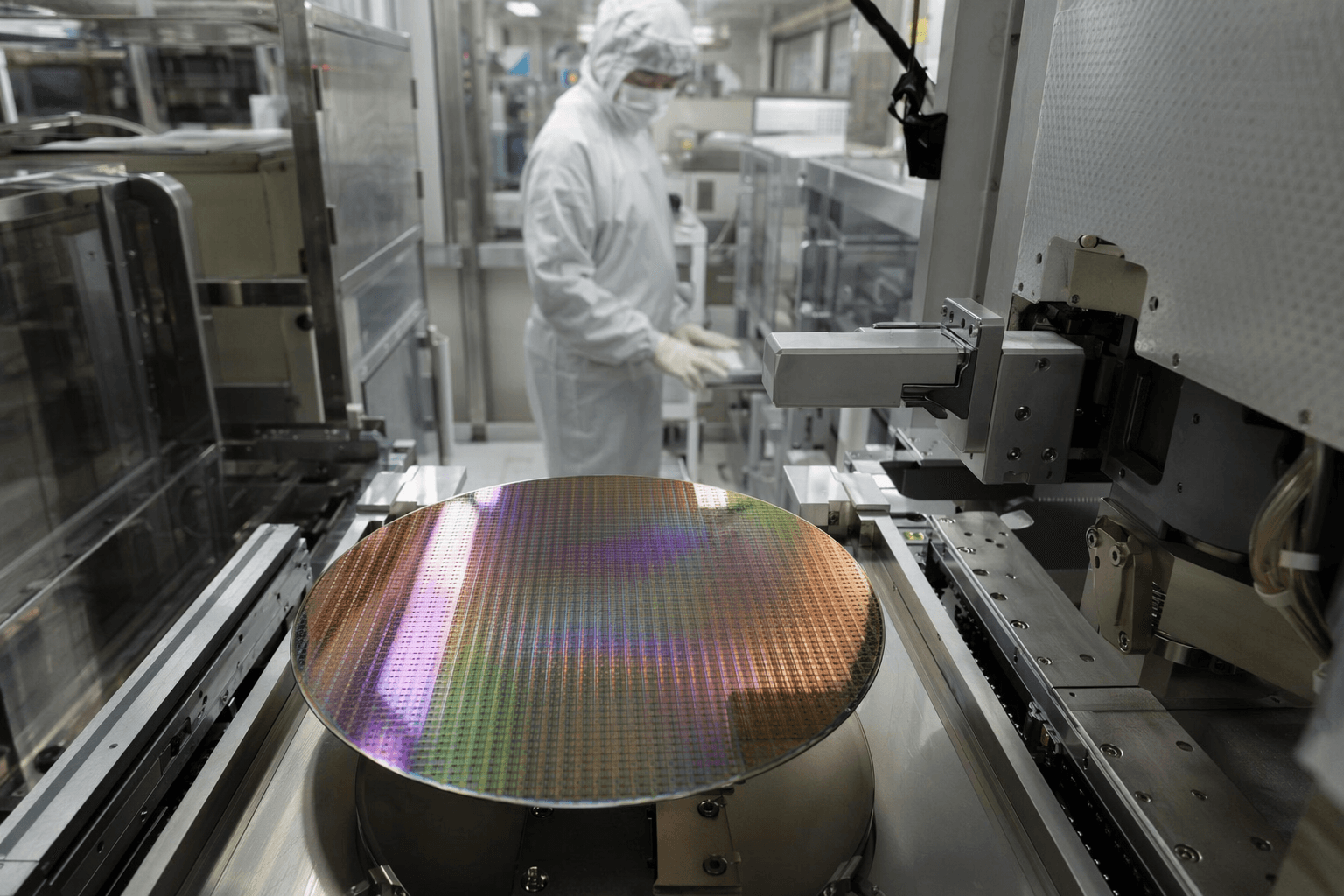
The practical effect of the new restrictions is to choke off equipment flows to plants that are either being built or retooled for higher-end production. That can mean blocked deliveries of manufacturing tools, delayed installation schedules and a scramble for substitute suppliers. In practice, the order appears aimed at closing a path that had still allowed some equipment to reach specific facilities even as broader U.S. controls tightened around advanced chipmaking in China.
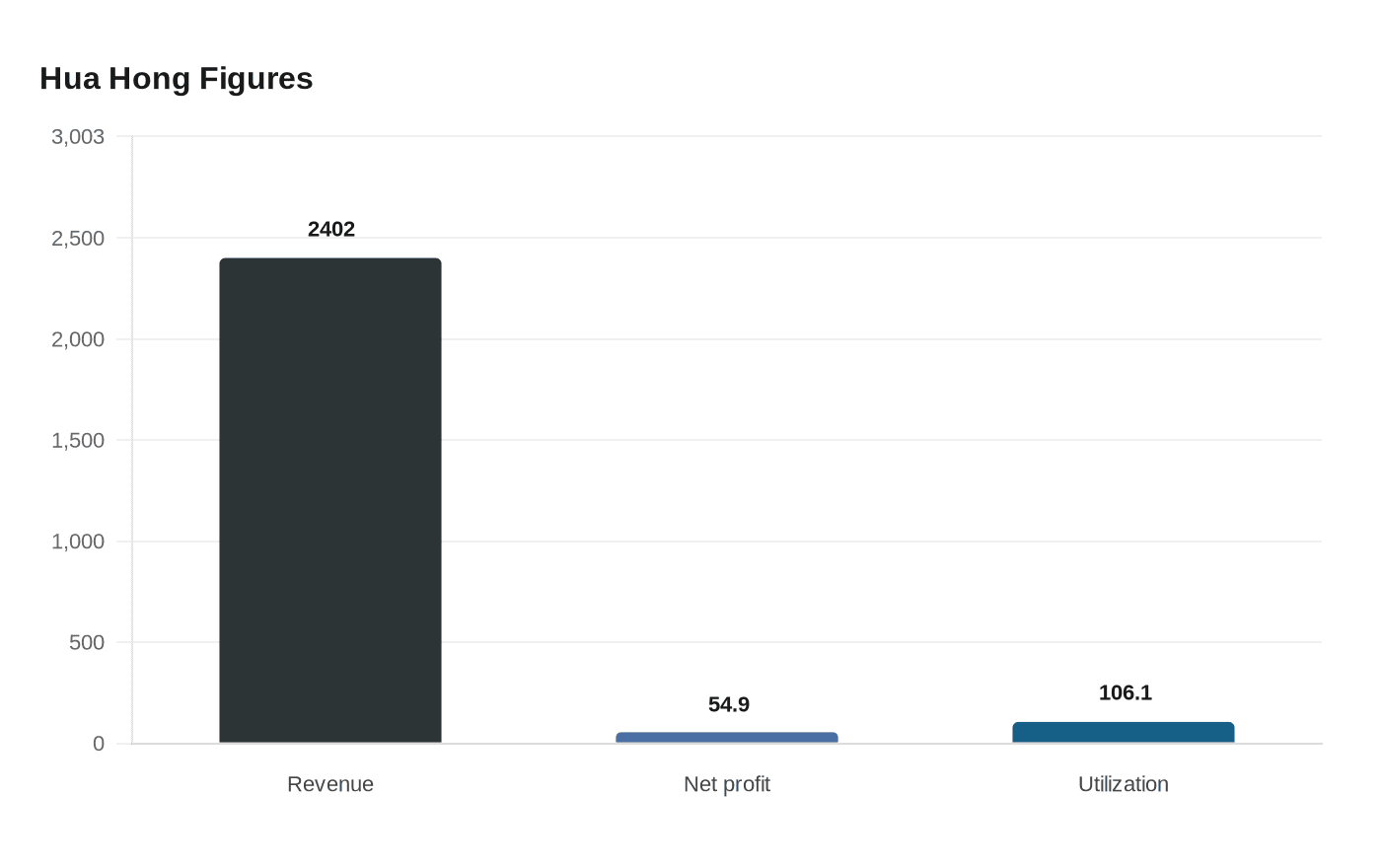
The business stakes are large on both sides of the Pacific. Hua Hong reported 2025 revenue of about $2.402 billion, up 19.9% from a year earlier, with net profit attributable to shareholders of $54.9 million and capacity utilization at 106.1%, a sign its fabs were already running hot. If shipments are cut off at critical points, U.S. suppliers such as Lam Research, Applied Materials and KLA could lose billions of dollars in sales, especially if projects stall for lack of tools, parts or process materials.
The move also lands in the middle of a tense geopolitical calendar. President Donald Trump and President Xi Jinping are scheduled to meet in Beijing on May 14-15, and the new pressure on Hua Hong underscores how export controls have become a central instrument in the broader contest over AI, manufacturing power and strategic autonomy. Hua Hong’s annual report shows that China IC Fund and China IC Fund II are tied to state-backed investment support, a reminder that Beijing’s chip strategy is not just corporate, but national. Washington may be trying to slow China’s mature-chip ascent, but it is also forcing a more expensive, more fragmented battle over who controls the tools of semiconductor production.
This article was produced by Prism’s automated news system from verified source data, official records, and press releases, then run through automated quality and moderation checks before publishing. The system is built and supervised by the people who set the standards it runs under. Read our full AI policy.
Did this article answer your question?

