Supreme Court leaves $168 million trade secrets award against Tata intact
The justices let a $168 million trade-secrets award stand after a fight over life-insurance software and 2,200 Transamerica employees.

The Supreme Court’s refusal to hear Tata Consultancy Services’ appeal left intact a $168 million trade secrets award in a dispute that cuts to the core of how U.S. courts police proprietary software in global outsourcing fights. For DXC Technology, the decision preserves a major win over allegations tied to life-insurance software. For Tata, it closes off the last realistic path to undo a judgment that now stands as a costly warning for multinational firms handling sensitive code across borders.
The case began in 2019, when DXC’s predecessor, Computer Sciences Corp., sued in federal court in Dallas over software it had licensed to Transamerica in the 1990s. CSC alleged that Tata hired 2,200 Transamerica employees and used their access to CSC software and proprietary information to build a competing life-insurance platform. A jury in 2023 issued an advisory verdict saying Tata should pay $210 million, and U.S. District Judge Brantley Starr later reduced that amount to $168 million in 2024.

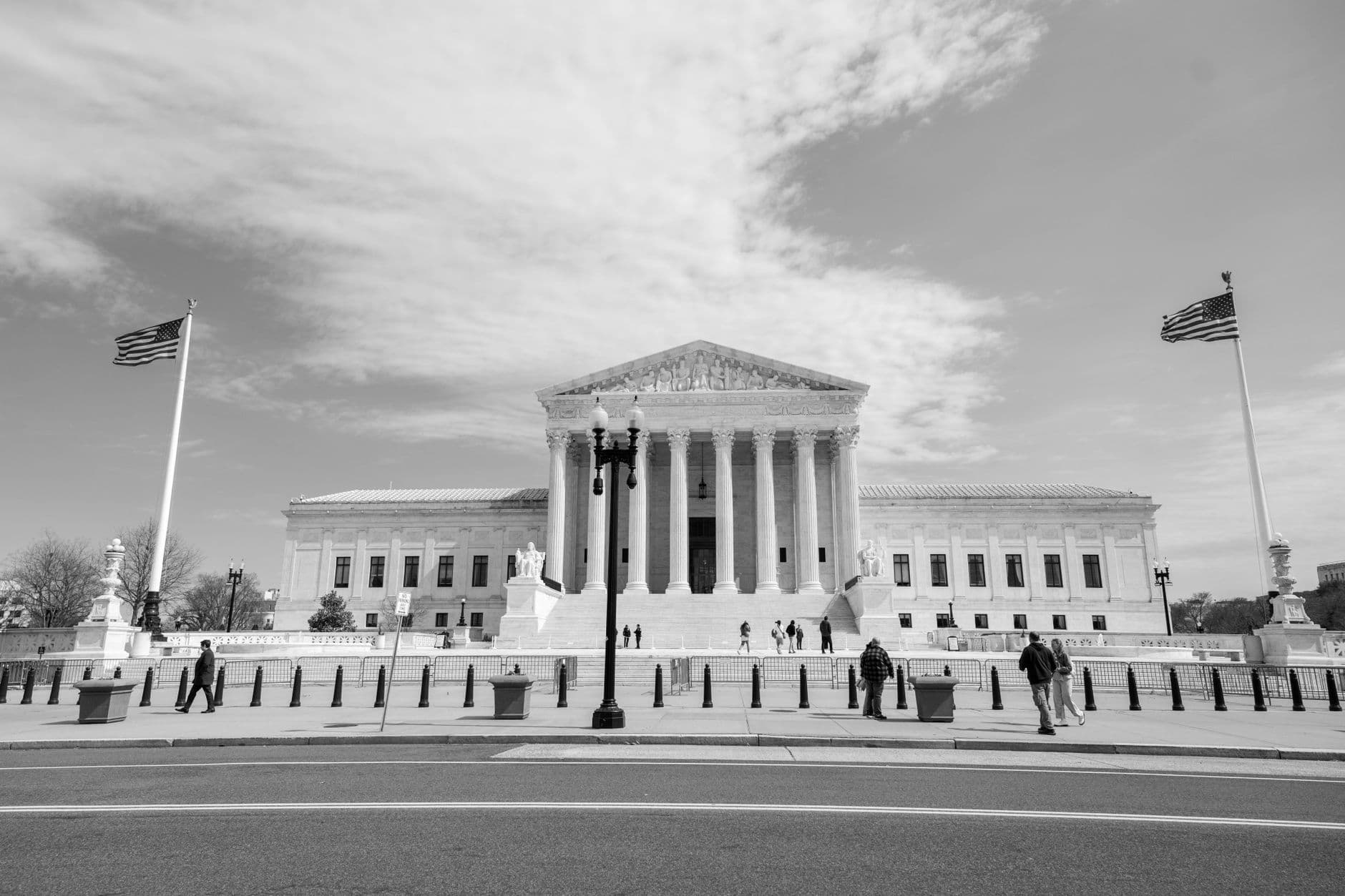
The 5th U.S. Circuit Court of Appeals upheld Starr’s ruling in 2025, and the Supreme Court declined to intervene on June 15, 2026. Reuters reported that the $168 million award included $56 million in compensatory damages and $112 million in punitive damages, and that the verdict rested entirely on unjust enrichment. That damages theory mattered because Tata argued the award was unjustified without proof of actual losses and said the punitive portion was excessive.
DXC answered that the appeals court’s fact-bound application of settled law did not warrant Supreme Court review. The high court’s decision does not create a new rule, but it leaves in place a sizable judgment and signals how difficult it can be to win Supreme Court review in commercial disputes that turn on detailed trial records rather than broad legal questions.
The broader business message is clear for technology contractors, software vendors and employers with cross-border development teams: trade secrets remain fragile when multiple employees work on overlapping systems, especially in businesses that depend on proprietary platforms and customer data. In an economy increasingly defined by AI, cloud infrastructure and outsourced engineering, the Tata case shows that old-fashioned trade secret claims still carry expensive consequences, and that courts may be willing to let those verdicts stand.
This article was produced by Prism’s automated news system from verified source data, official records, and press releases, then run through automated quality and moderation checks before publishing. The system is built and supervised by the people who set the standards it runs under. Read our full AI policy.
Know something we missed? Have a correction or additional information?
Submit a Tip