UK warns Thames Water rescue plan fails to protect consumers, environment
Britain’s biggest water supplier faced a fresh warning that its rescue plan still left customers and the environment exposed. The government said the offer fell short as Thames Water’s £20bn debt fight edged closer to state control.
The government stepped up pressure on Thames Water’s lenders on Monday, warning that the latest rescue package did not go far enough to protect households or the environment. Emma Reynolds wrote to Ofwat over the plan, while a government spokesman told the BBC the offer “does not do enough to protect consumers or the environment”.
The intervention sharpened a dispute that has become bigger than a balance-sheet rescue. Thames Water serves about 16 million customers across London and southern England, and its struggle to refinance roughly £20bn of debt has raised a basic question for billpayers: whether they will see higher charges, worse service and more sewage failures if the company stumbles again, or whether taxpayers will ultimately be forced to backstop a broken utility model.
Ministers have been clear that Thames Water must meet its statutory and regulatory obligations, but the company has been under close government watch for years, with fears over collapse first emerging about three years ago. If a private rescue fails, the government has said it is prepared to use a special administration regime, a move that would transfer control away from the current owners and push the costs and risks of stabilising the business further into the public realm.
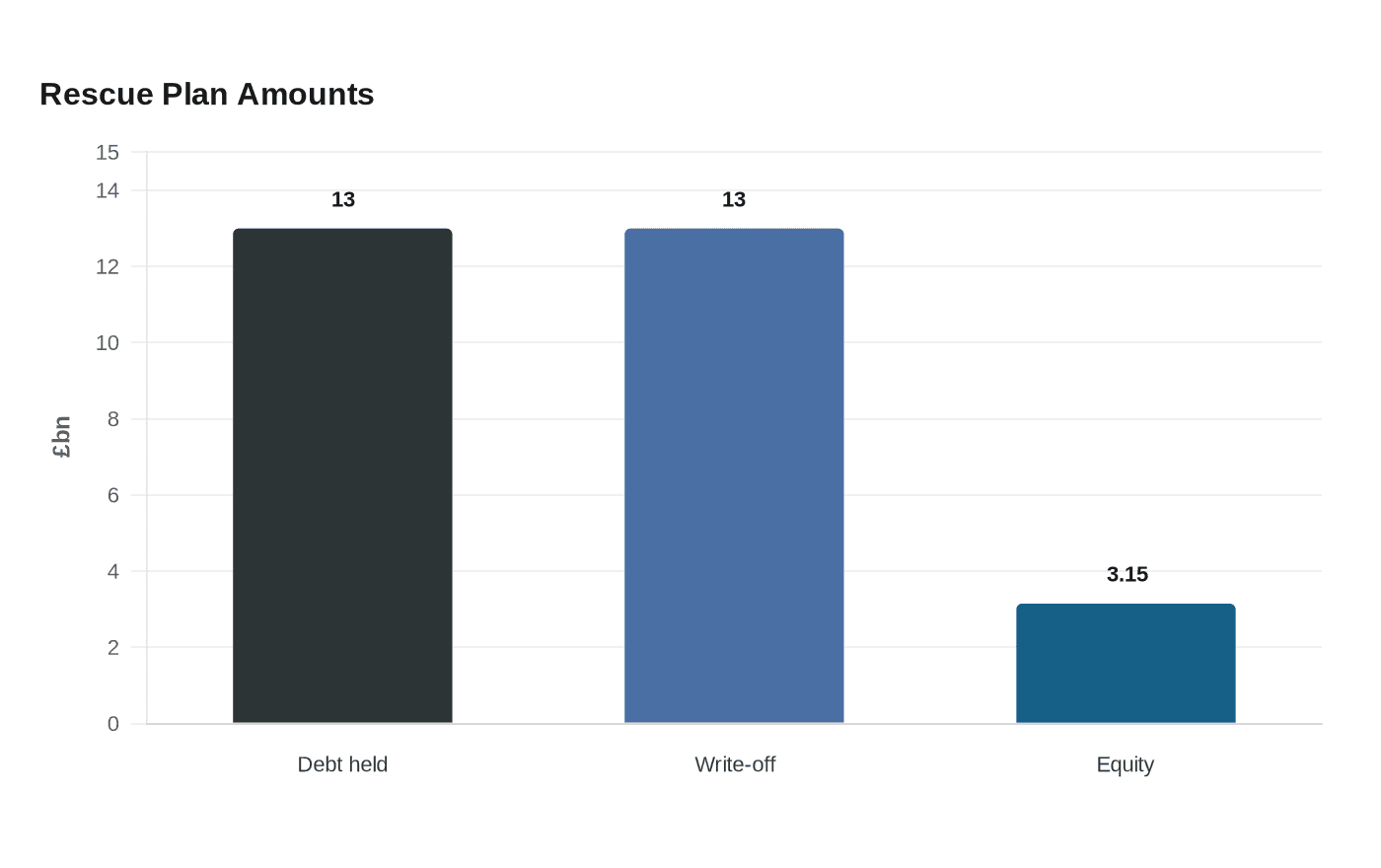
In January 2026, Sky News reported that creditors holding about £13bn of Thames Water’s debt were close to an in-principle agreement with Ofwat and the company. That outline plan envisaged more than £13bn of existing value being written off, a new equity injection of £3.15bn and lenders taking at least a 10% equity stake in the recapitalised company. The proposal also said the investors would forgo dividends during the turnaround period and not sell the company before 2030, while the consortium said customer bills would not rise beyond increases already agreed with Ofwat.
But regulatory sources later said there were still gaps over the financial and other terms of the deal, leaving the rescue fight unresolved. The stakes remain stark for households already living with the consequences of Thames Water’s breakdown: a heavier debt load, repeated infrastructure failures and persistent sewage pollution. Ofwat’s £122.7m fine in May 2025, the biggest penalty ever imposed by the regulator, underlined the scale of the damage, citing sewage spills and breaches linked to shareholder payouts.
This article was produced by Prism’s automated news system from verified source data, official records, and press releases, then run through automated quality and moderation checks before publishing. The system is built and supervised by the people who set the standards it runs under. Read our full AI policy.
Know something we missed? Have a correction or additional information?
Submit a Tip